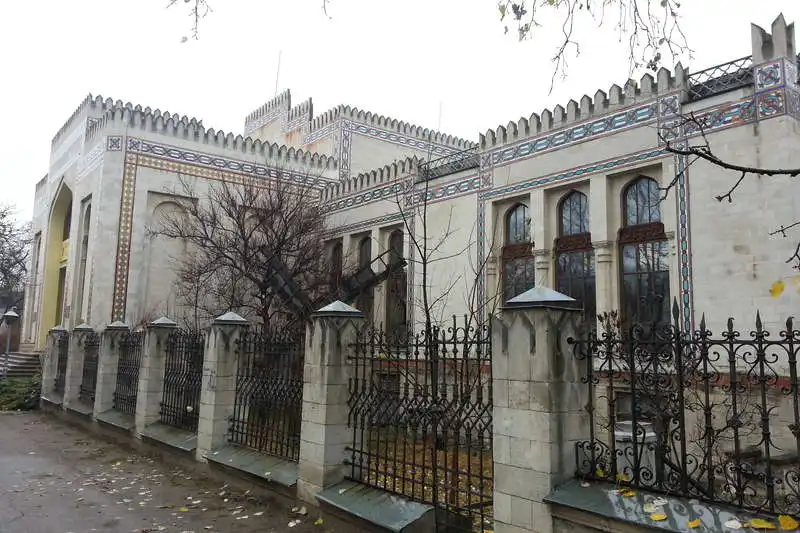
National Museum of Ethnography and Natural History, Chisinau, Rep. Moldova

Culture, traditions and nature in Chisinau

Where, when, how much?

National Museum of Ethnography and Natural History is located in the center of Chisinau, capital of the Republic of Moldova, on 82 Mihail Kogălniceanu Street. The museum is housed in an impressive historic building, easy to include in a stroll through the city center.

Visiting program

  • April - October: 10:00 – 18:00
  • November - March: 10:00 – 17:00
  • Rest day: Monday
  • Health Day: last Wednesday of each month

Visitors are allowed up to 30 minutes before closing time.

Ticket prices

  • Adults: 50 MDL
  • Students and pensioners: 25 lei
  • Pupils: 10 lei

Admission is free for children under 7 and for certain special categories of visitors, and in Free admission for all visitors on the last Friday of the month.

The visit usually lasts, between 1 and 2 hours, depending on how much time you set aside for exhibitions dedicated to Moldova's nature, traditions and history.

About the National Museum of Ethnography and Natural History

National Museum of Ethnography and Natural History, located in Chisinau, is the oldest museum in the Republic of Moldova, founded in 1889. The museum building, built in the early 20th century, impresses with its unusual architecture, with oriental and decorative elements that make it one of the most distinctive historical buildings of the city.

The museum is organized in several dedicated sections natural history and ethnography. The exhibitions feature the region's fauna and flora, geology and paleontology collections, as well as traditional objects illustrating rural life, crafts and Moldovan folk culture. One of the museum's famous exhibits is the skeleton of a Deinotherium gigantissimum, a prehistoric mammal discovered in Moldova.

1. Ethnographic collections

Ethnography collections

The ethnographic collections of the National Museum of Ethnography and Natural History offer a detailed insight into the traditional way of life in the Republic of Moldova and the historical regions around the Prut and Dniester rivers.

Exhibitions feature folk costumes, household objects, agricultural tools, pottery, traditional carpets and handicrafts, all illustrating the occupations and traditions of rural communities. Visitors can discover elements of everyday life in Moldovan households, such as furniture, handmade fabrics and tools used in agriculture and crafts.

An important part of the collection is dedicated to popular costume, where ii, shirts, girdles and accessories specific to different areas of Moldavia are exhibited. Through these exhibits, the museum recreates the atmosphere of the traditional village and keeps alive the memory of local customs and traditions.

zest

ceramics

Popular costumes

"sunshine" made of plaited bread sticks, wiping

symbol of hospitality

home

Map of Moldova in 1541

2. Natural history collections

Natural history collections

The natural history collections of the National Museum of Ethnography and Natural History present the evolution of the natural environment of the Republic of Moldova, from prehistoric times to present-day ecosystems.

Exhibitions include collections of paleontology, geology, botany and zoology, with fossils, minerals, plants and animals characteristic of the region. Visitors can discover the diversity of fauna and flora in the area between the Prut and the Dniester, as well as the evolution of Moldova's natural landscapes.

One of the most impressive pieces on display is the skeleton of a Deinotherium gigantissimum, a gigantic prehistoric mammal that lived millions of years ago and whose fossils have been discovered in Moldova. This find is considered one of the most valuable in the museum's collections and attracts many visitors each year who are interested in the natural history of the region.

eagle

Insect

dropie

cocos

crant crant crant!

the mastodon

fossil footprints

Conclusion

National Museum of Ethnography and Natural History from Chisinau is an essential place to visit for anyone who wants to discover nature, history and traditions from Republic of Moldova. Its impressive collections and historic architecture make a visit both educational and enjoyable.

All the best!

Steps:

en_USEnglish