Wooden church in Rogoz, Maramureș

UNESCO masterpiece of the Maramures tradition

Where, when, how much?

Located in the village of Rogoz, Lăpuș commune, Maramureș county, Wooden church in Rogoz is located about 60 km from Baia Mare and can be easily reached by car, following a picturesque route through the Lapus Country. The area is quiet and authentic, ideal for a cultural day out.

Visiting hours are not always fixed as the church belongs to the local community. In general, it can be visited during the day, and during the tourist season (spring-autumn) you are more likely to find it open. For a full experience, it is recommended to contact your local guide or village parish before your visit.

Access is usually by donation. The amounts are symbolic and contribute to the upkeep of this unique historical monument. In some cases, a small fee may be charged for photography or guiding.

About the wooden church in Rogoz

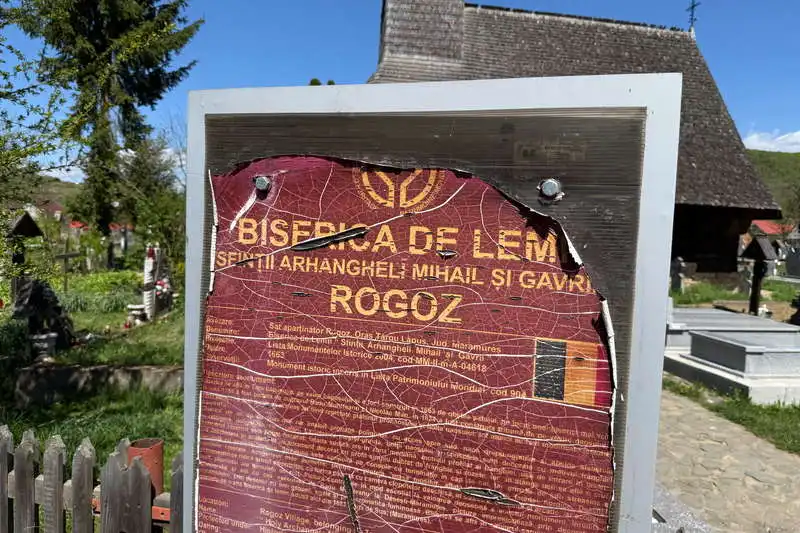
Wooden church in Rogoz is one of the most valuable and well-preserved wooden churches in Maramureș, included in the UNESCO World Heritage due to its remarkable architecture and deep cultural significance. Built in 1663, after the Tatar invasions that devastated the settlement, the church is a symbol of the resilience of the local community and the faith that has united generations.

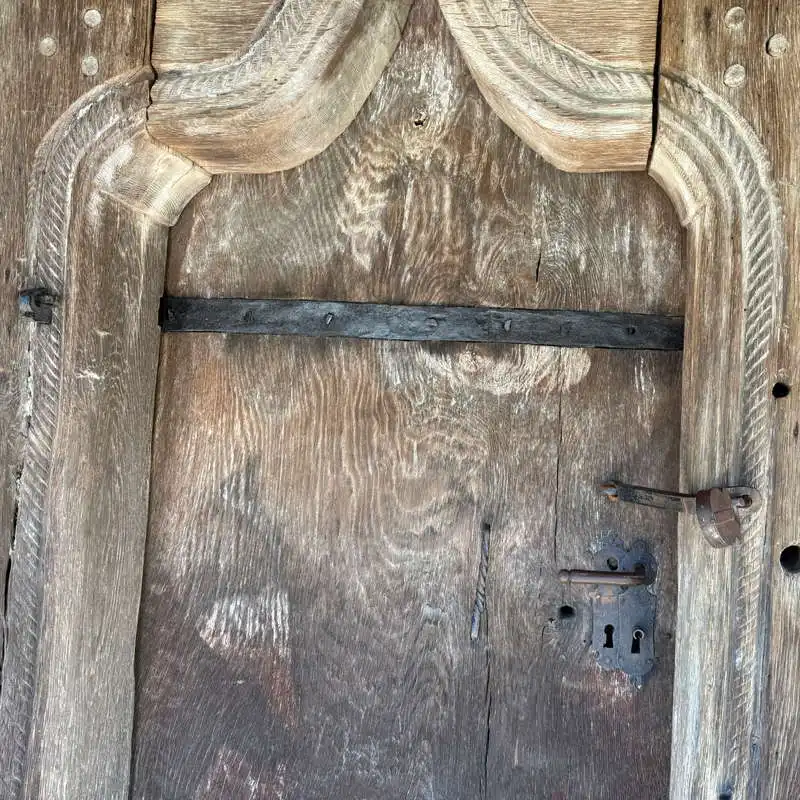
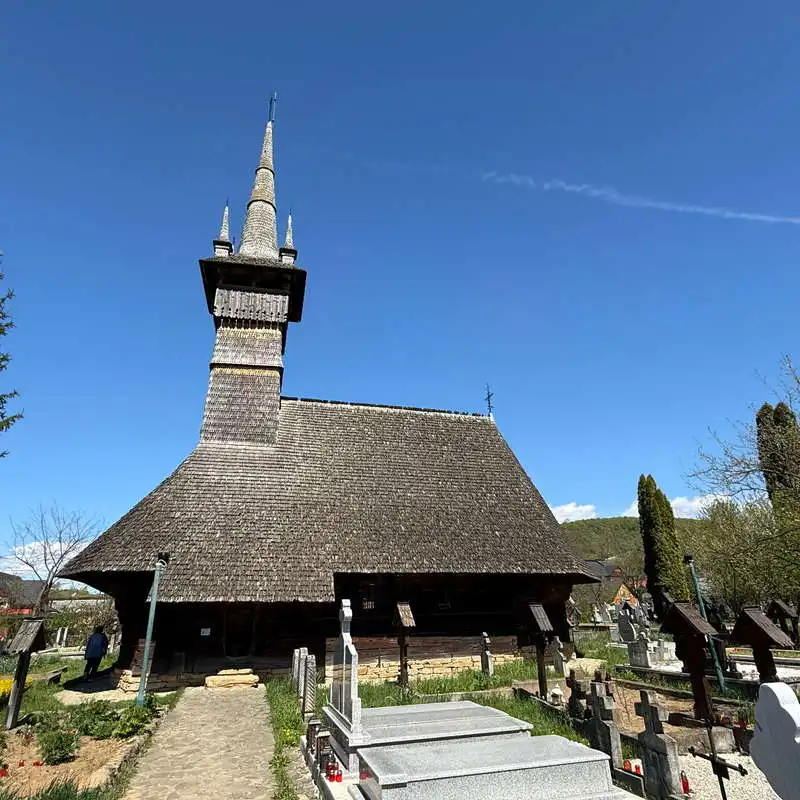
The building impresses with its harmonious proportions and traditional construction technique of solid wood without the use of metal nails. The slender tower, high roof and wide eaves are typical features of the Maramureș style, but what makes it truly unique is the carved decoration: twisted rope (symbol of continuity), horse heads and sun motifs, all done with great skill.

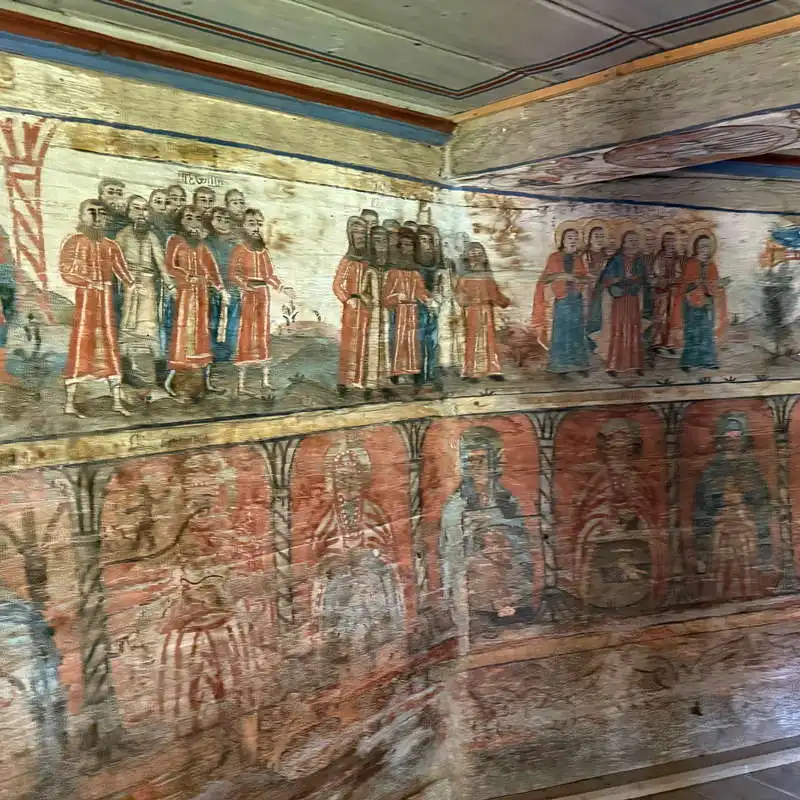
The interior retains an authentic atmosphere, dominated by 18th-century murals. These combine Byzantine influences with local folk elements, offering a rare insight into the rural spirituality of the period. The church is also known for its „table of the ancestors” - a long wooden table once used for community rituals and commemorations.

Today, the church is not only a historical monument but also a living place, still used for important religious services. Visiting it offers not only a foray into history, but also an authentic encounter with tradition and soul. You can watch a video about the wooden church in Rogoz here.

1. House museum

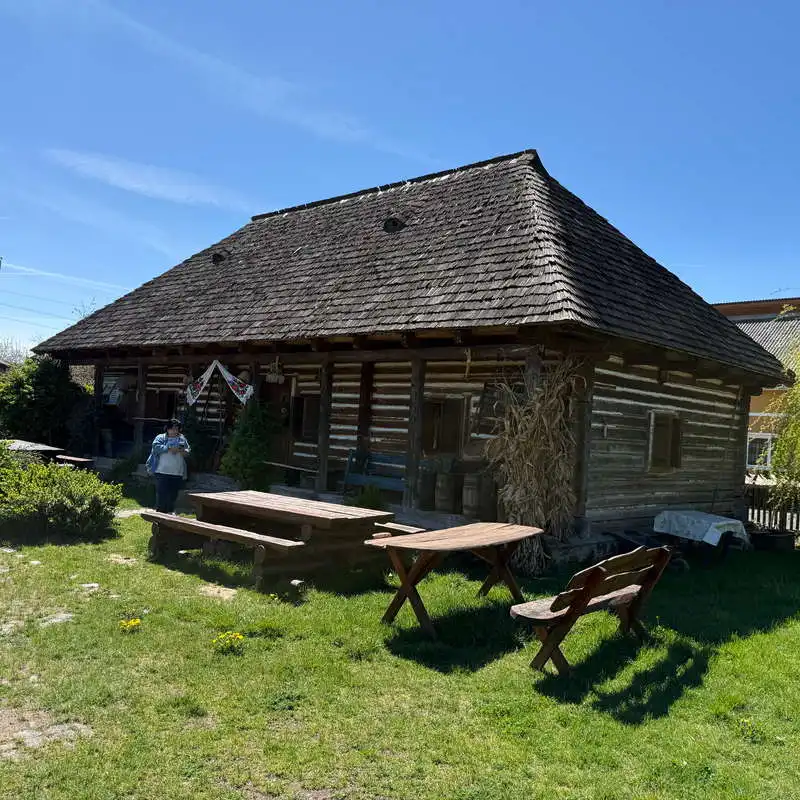
Next to the wooden church in Rogoz is a small but valuable house museum, which perfectly complements the experience of the visit. Housed in a traditional wooden farmhouse, it offers an authentic glimpse of rural life in the Lapus Country as it was centuries ago.

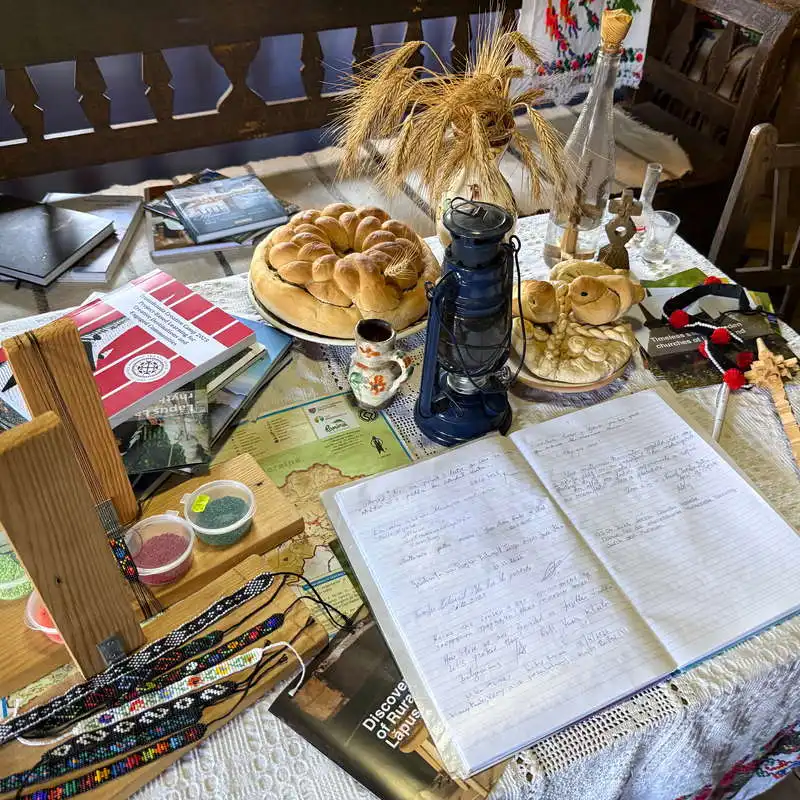
The interior is organized in a simple but evocative way: the rooms preserve original furniture, hand-woven fabrics, folk costumes and household objects used in everyday life. Every detail tells a story about traditions, crafts and the rhythm of life in a community where wood was the essential material for building and creating.

A special feature is the textile decoration - richly ornamented carpets, towels and tablecloths, reflecting the aesthetic taste and skill of the local women. Old tools and household objects illustrating the traditional occupations of the locals can also be seen.

A visit to the house museum has an additional value also thanks to the grace of the custodian of the house, a house eager to share the impressive stories of the place and of the Lăpușului Land.
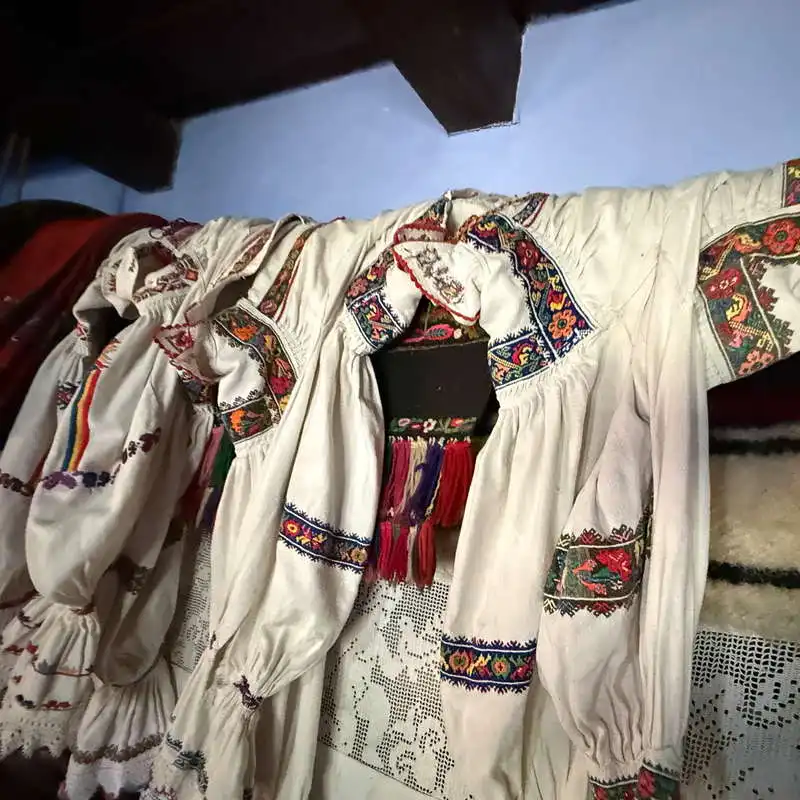
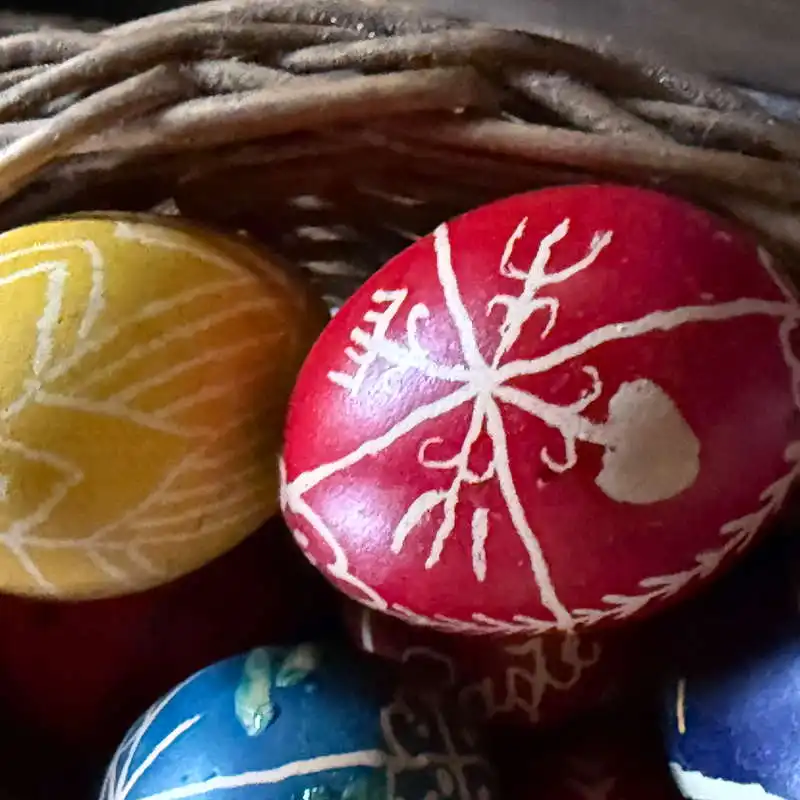
popular shirts

(closed) deviled eggs

in the house museum

house museum

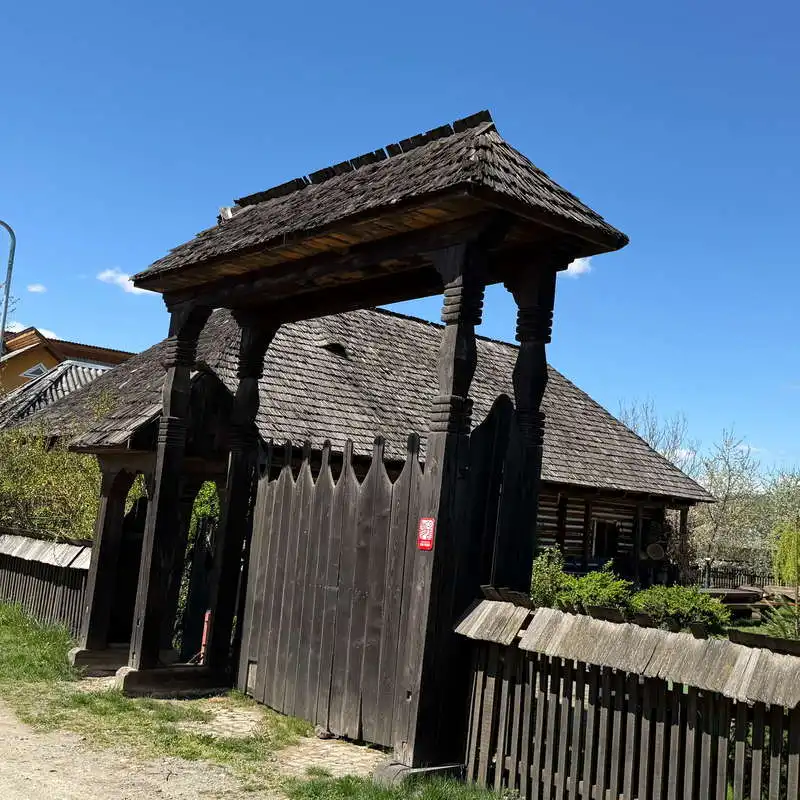
the Maramurean gate

2. Wooden church

The defining element of the whole ensemble is the wooden church of Rogoz, a historical construction that combines the simplicity of the material with a surprisingly elaborate artistic execution. Erected in the second half of the 17th century, the church is made of solid oak beams joined together using traditional techniques, without metal elements.

On the outside, the building attracts attention with its high tower and massive stepped roof, typical of the Maramureș area. The generous eaves not only serve a practical purpose but also contribute to the imposing appearance of the building. Hand-carved ornaments - such as the rope motif, symbol of continuity, or decorative rosettes - add a distinctive touch and reflect popular symbolism handed down from generation to generation.

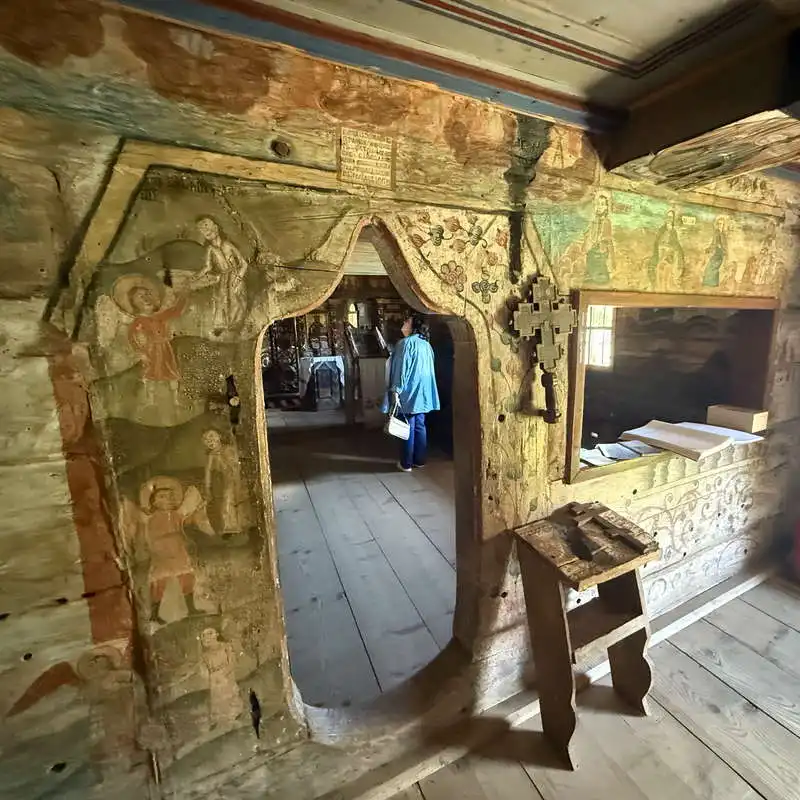
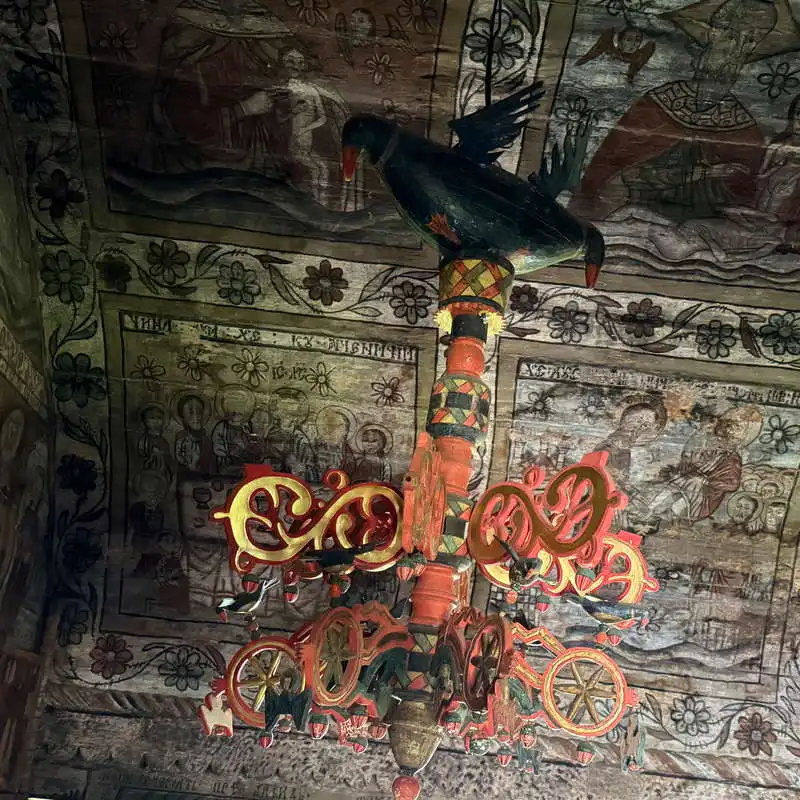
Inside, the atmosphere is warm and sober, dominated by 18th-century murals. The biblical scenes are reinterpreted in a local manner, with Byzantine influences, but also with details inspired by the daily life of the community. The discreet play of natural light contributes to the special charm of the space.

A special feature is the long wooden table, known as the „table of the elders”, which was used in the past for rituals of remembrance. It highlights the complex role of the church, not only as a place of worship but also as a meeting place and social cohesion.

A visit here is not just about admiring a historic monument, but also an authentic foray into the traditions and spirituality of a community that has preserved its identity over the centuries.

wooden church door

mural painting on wood

moving from the pronaos to the nave

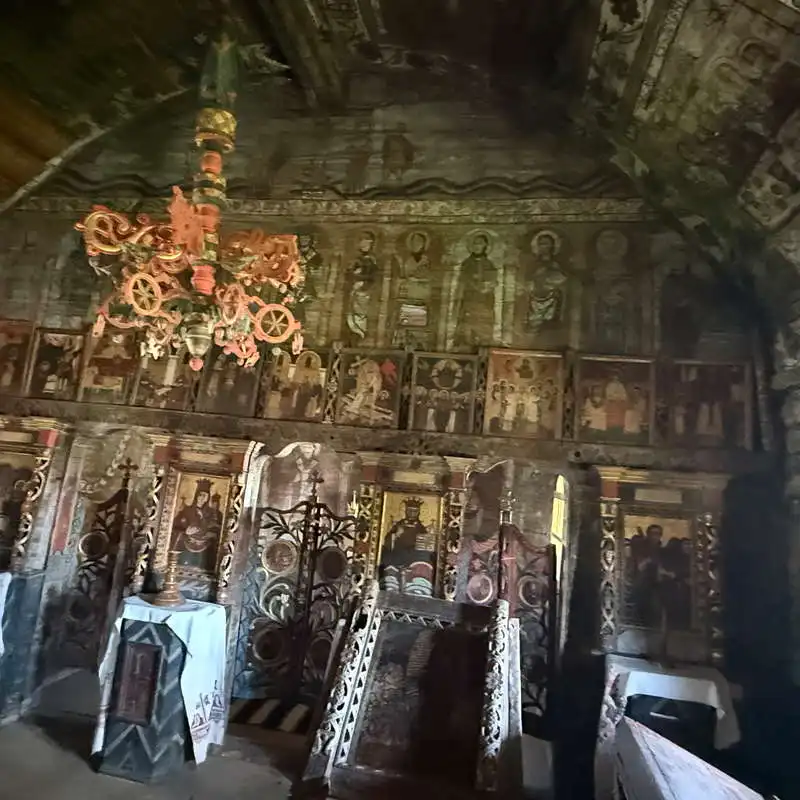
church iconostasis

church chandelier

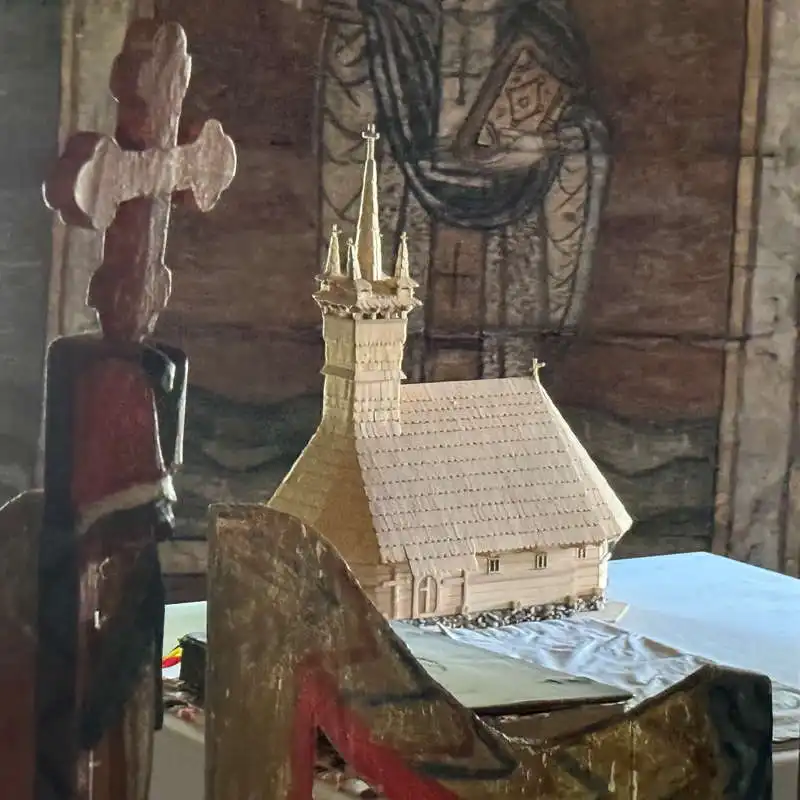
model of the altar

Wooden church in Rogoz

Conclusion

Visit to Wooden church in Rogoz is more than just a tourist stop - it's an authentic encounter with tradition, faith and the craftsmanship of a community that has preserved its identity over the centuries. From the painstakingly carved details to the tranquil atmosphere inside, every element contributes to a profound and memorable experience.

Together with the house museum and the surrounding countryside, this place offers a complete picture of life in Maramureș in the past. It's an ideal destination for those looking for authenticity, history and tranquillity, away from the hustle and bustle of big cities. Whether you're passionate about heritage, photography or simply want a different cultural experience, Rogoz is definitely worth including in your travel itinerary.

All the best!

Steps:

en_USEnglish