English
  Română
  Deutsch
1. Ithe museum's history and heritage
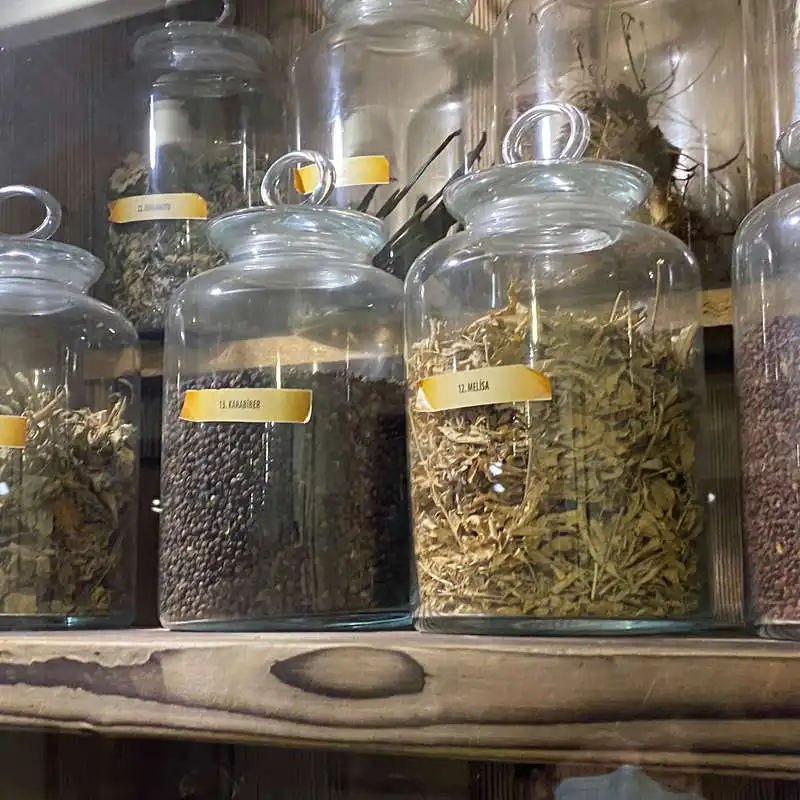
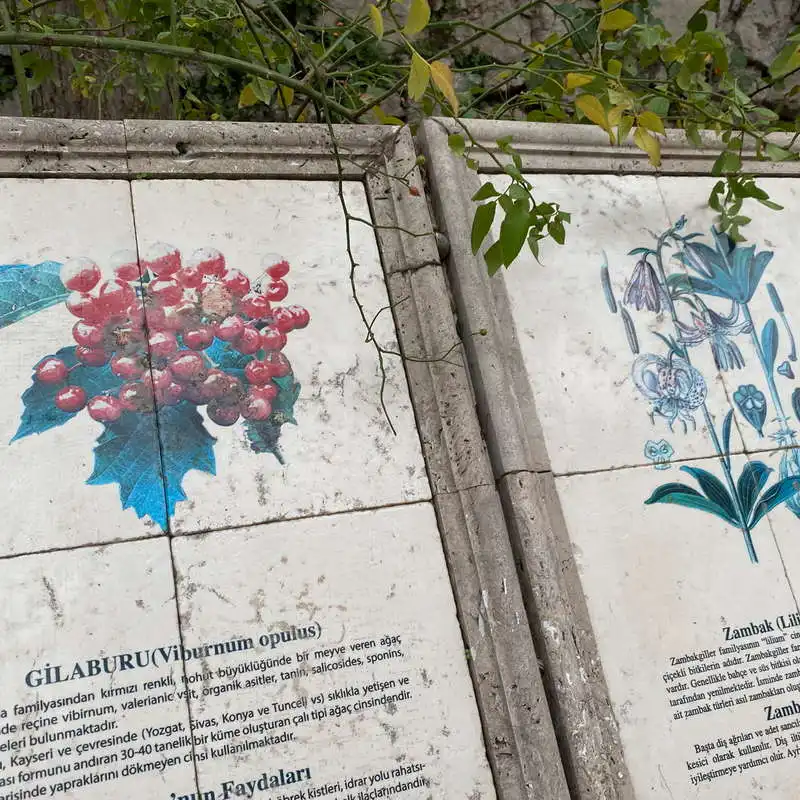
During the Ottoman period, Darüşşifa was much more than just a hospital. The institution provided medical care, served as a training center for future doctors, and was a major hub of medical science in the region. Treatments combined the advanced knowledge of the era with natural remedies, and traditional pharmaceutical preparations in the form of herbs, ointments, and medicinal powders made according to carefully preserved recipes were frequently used here.
A unique aspect of this tradition is linked to the famous mesir paste, a complex blend of herbs and spices believed to have therapeutic and energizing effects. This type of „medicinal paste,” which in some forms was processed into powders or syrups, reflects the advanced state of Ottoman pharmacology and the way medicine blends science with tradition. In Manisa, this heritage has become so significant that it is celebrated even today through local festivals.
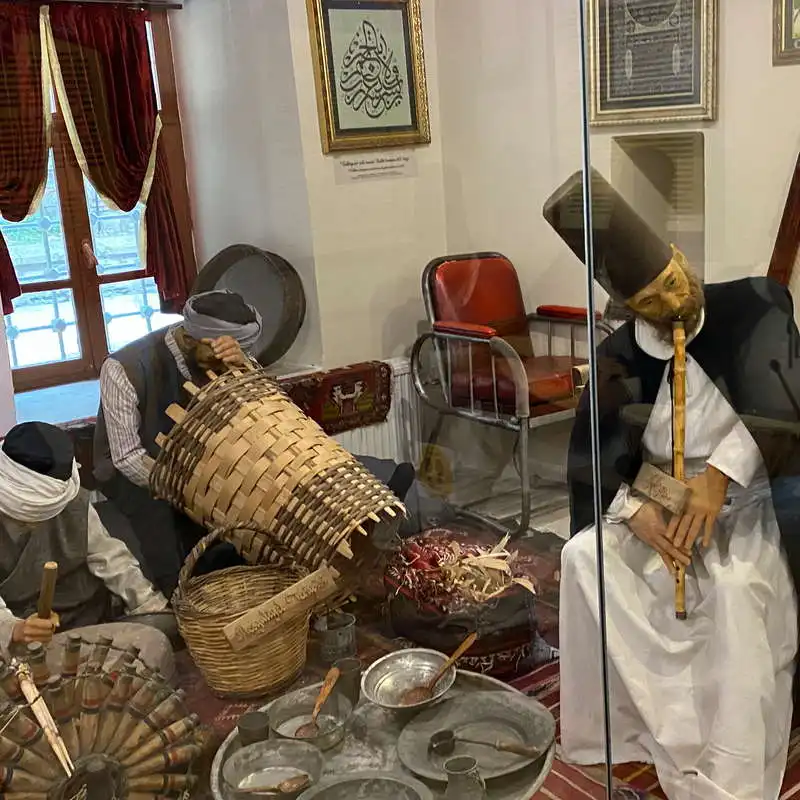
A notable feature of the hospital was its holistic approach to health. In the final centuries of its existence as a medical institution, it primarily treated patients with mental health conditions, using methods that were innovative for the time, such as music therapy, the sounds of water, and recreational activities.
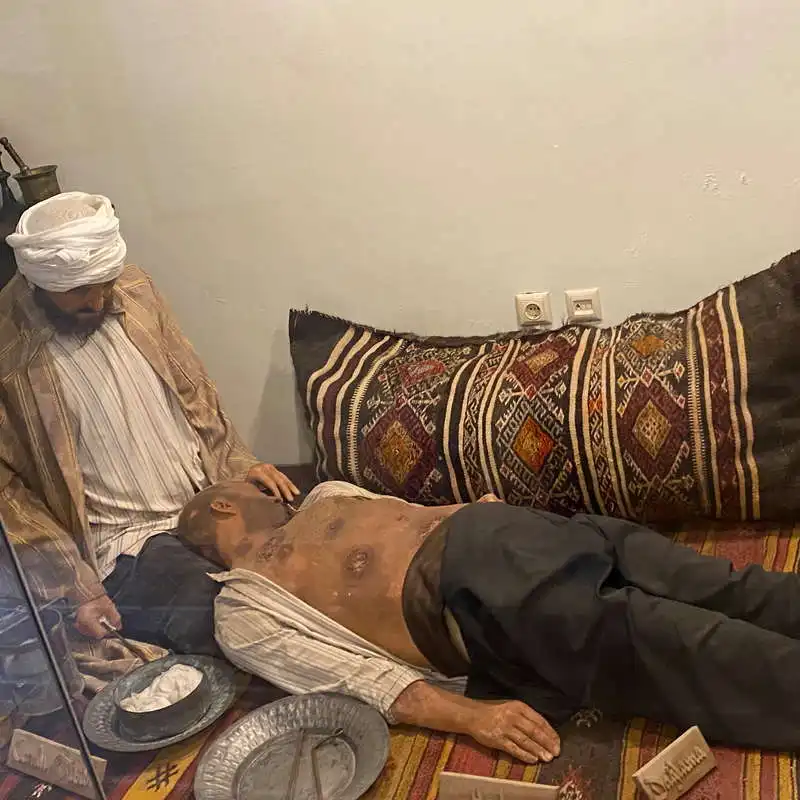
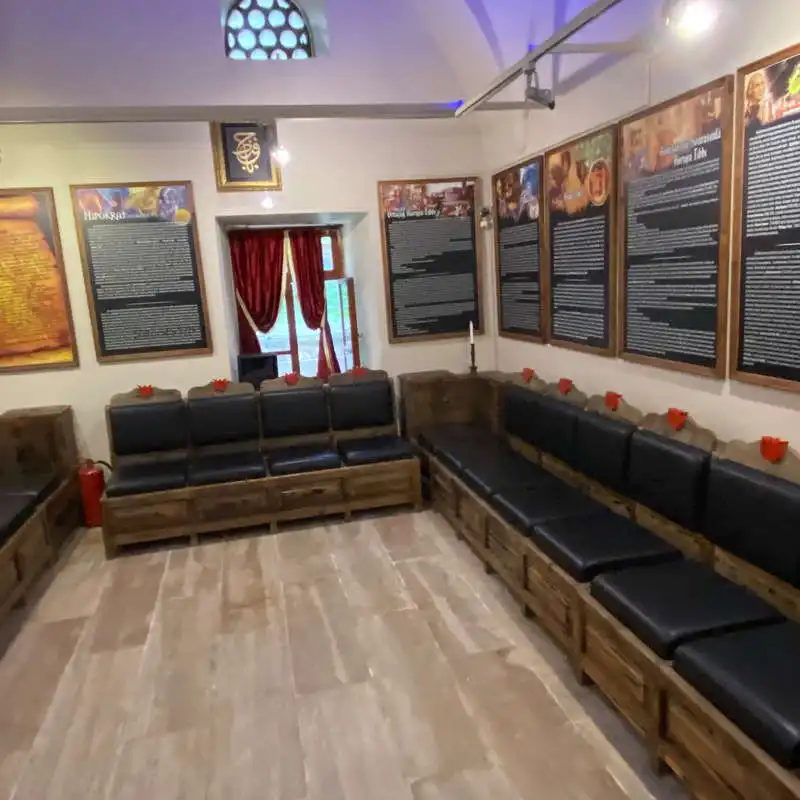
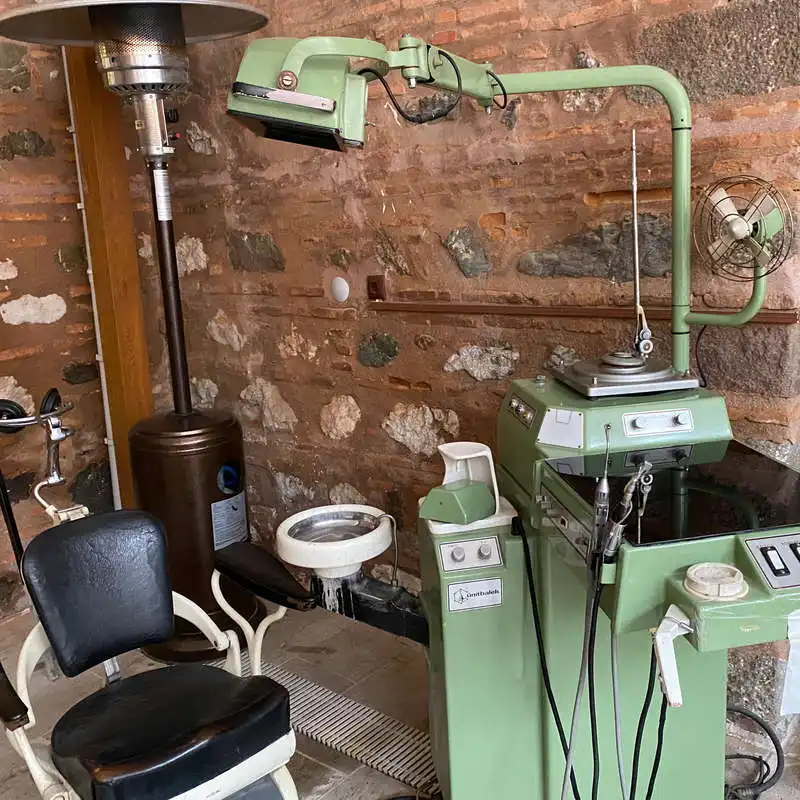
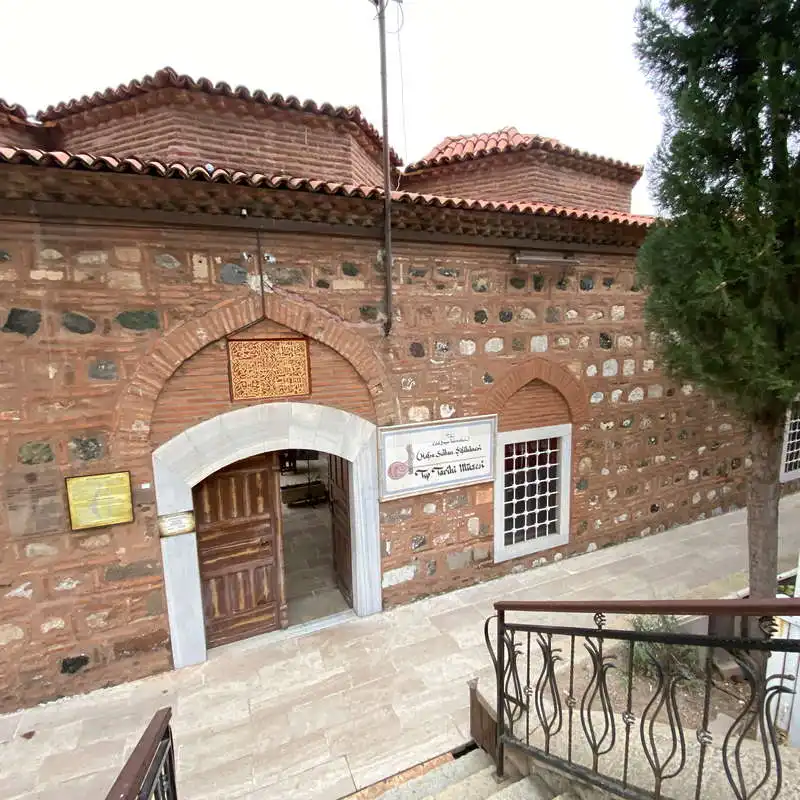
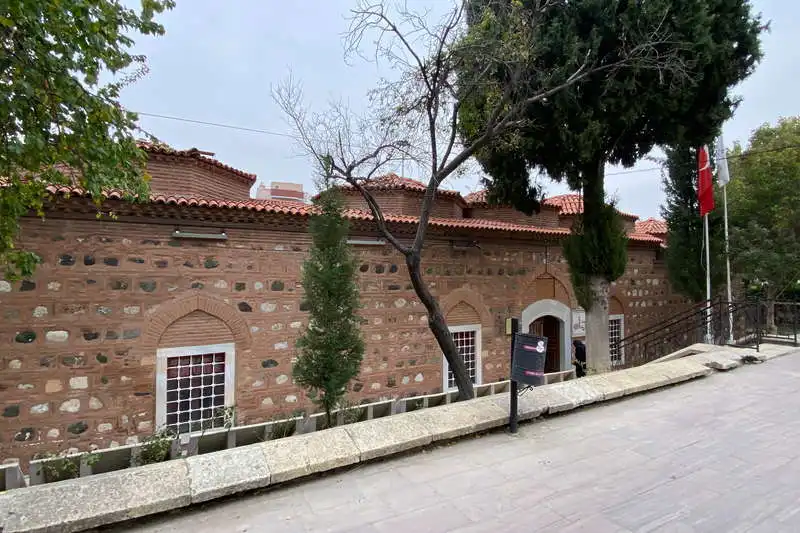
After medical services ceased, the building was restored and incorporated into the heritage of Celal Bayar University in Manisa, reopening as a museum in 2013. Today, visitors can explore historical medical instruments, reenactments of therapeutic practices, and exhibits illustrating the use of these traditional pharmaceutical preparations, offering a comprehensive view of Ottoman medicine.