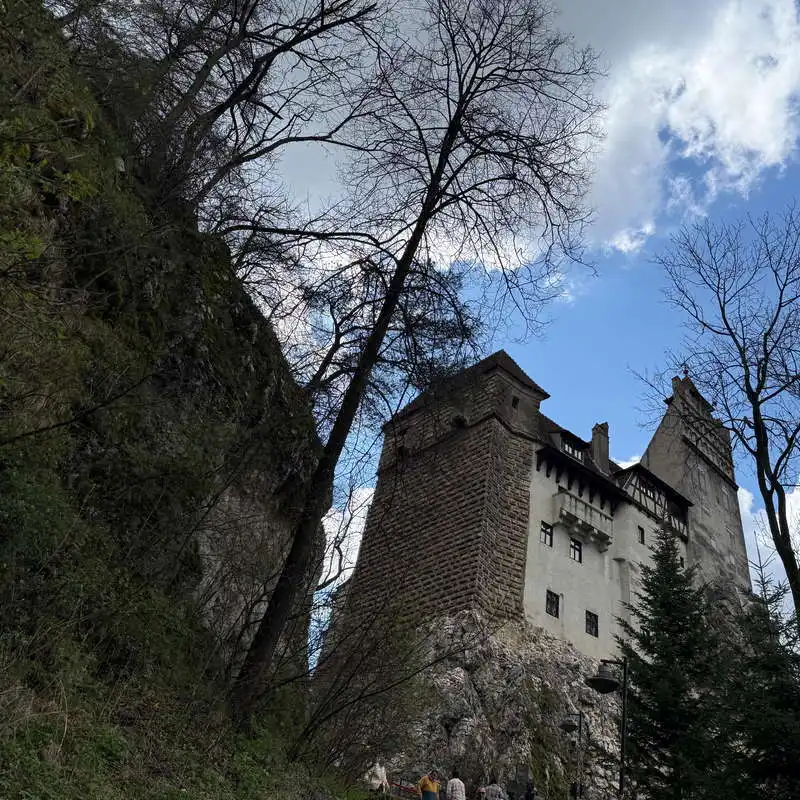
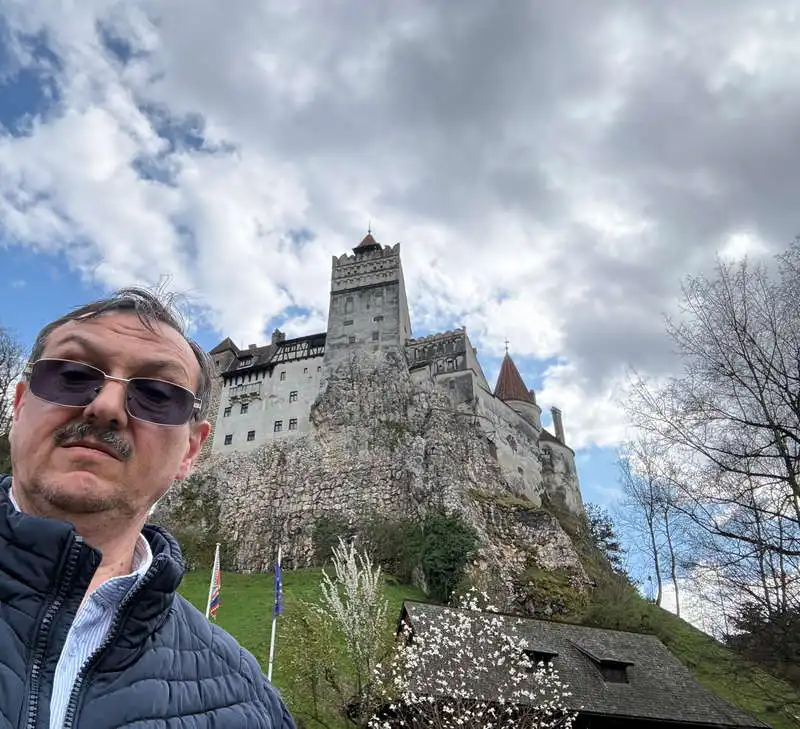
Bran Castle, Bran, Brasov

Between real history and fascinating myth

Where, when, how much?

Bran Castle is located in the center of Bran, about 30 km from Brasov, on DN73 (Brasov - Câmpulung). It is easy to reach by car (there are parking lots nearby) or by buses that leave regularly from Autogara 2 Brasov.

Visiting hours are generally:

  • Monday: 12:00 - 18:00
  • Tuesday - Sunday: 09:00 - 18:00
    In the summer season (approx. April-September), the program is usually extended until 20:00. The last entry is about 30 minutes before closing time.

The indicative ticket prices are:

  • Adults: ~70 lei
  • Pupils / Students: ~40 lei
  • Seniors: ~50 lei
  • Children: ~20 lei

There may be extra charges for guided tours or special exhibitions. To avoid crowds (especially on weekends and peak season), it's best to arrive in the morning or book your ticket online in advance.

About Bran Castle

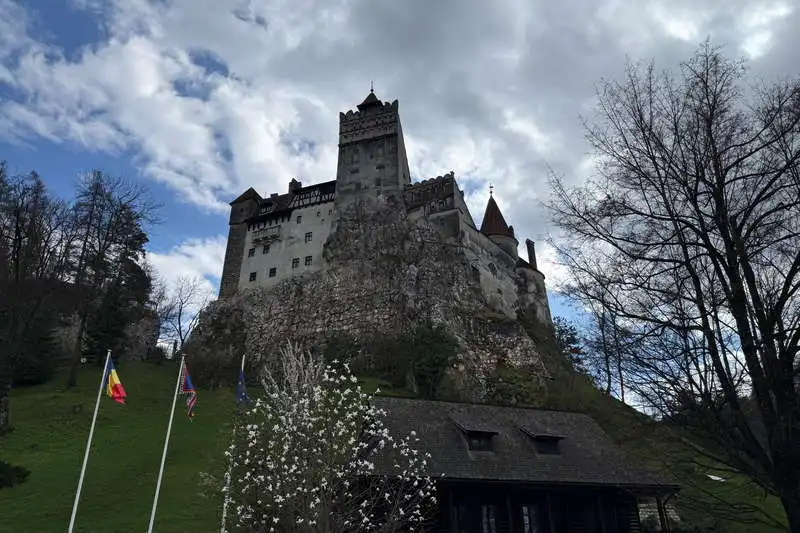
Bran Castle is one of the most famous tourist attractions in Romania, famous both for its medieval architecture and for the legends that surround it. Built at the end of the 14th century, the castle originally had a strategic role of defense and control of the trade route between Transylvania and Wallachia.

Over time, Bran Castle has been a royal residence, becoming a favorite place of Queen Maria of Romania, which brought numerous transformations and gave it its current charm, closer to a home than a fortress. The interior preserves furniture, art objects and collections reflecting the Queen's style and personality.

The castle is often associated with the legend of Dracula and Vlad the Impaler, but the historical connection between him and the site is not well documented. Nevertheless, the myth has contributed significantly to the castle's international fame, turning it into a symbol of mystery and Gothic stories.

Today, Bran Castle functions as a museum, offering visitors a fascinating insight into Romania's history, culture and legends in a spectacular setting at the foot of the Carpathian Mountains.

A video about Bran Castle you can watch it here.

1. Queen Mary's bedroom and antechamber

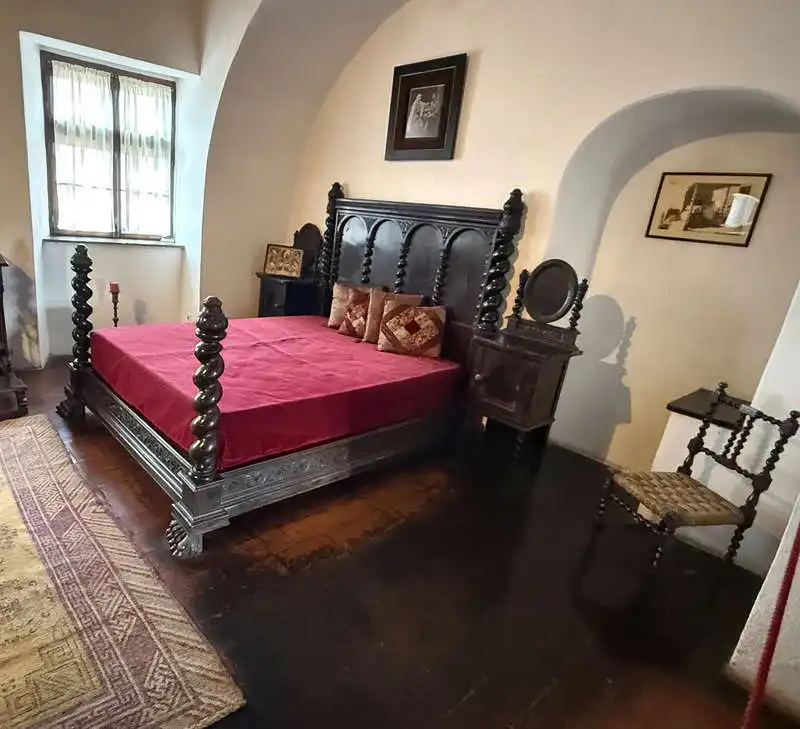
One of the most elegant and intimate spaces in Bran Castle is the bedroom of Queen Maria of Romania, decorated according to her refined taste and artistic spirit. The room reflects the Queen's personal style, with romantic influences and carefully chosen decorative details, from the carved wooden furniture to the fine textiles and decorative objects.

The antechamber, which precedes the bedroom, served as a small transition and reception space, maintaining a warm and welcoming atmosphere. Here you can see design elements specific to the period, as well as personal objects that depict the Queen's daily life in the castle.

Together, the two rooms offer an authentic insight into how a medieval residence was transformed into a comfortable royal space, while preserving the historic charm of the place.
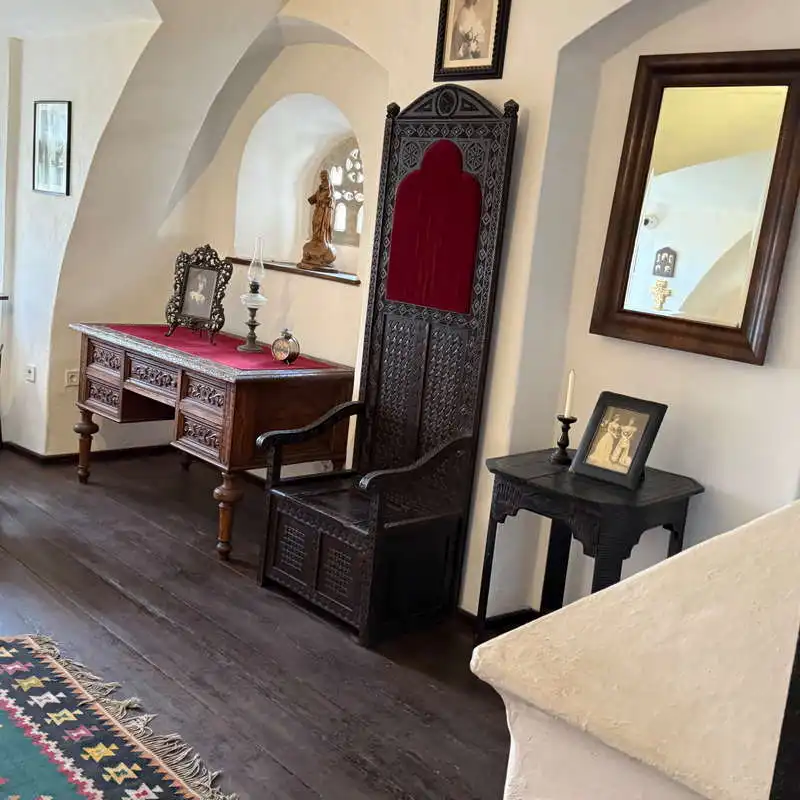
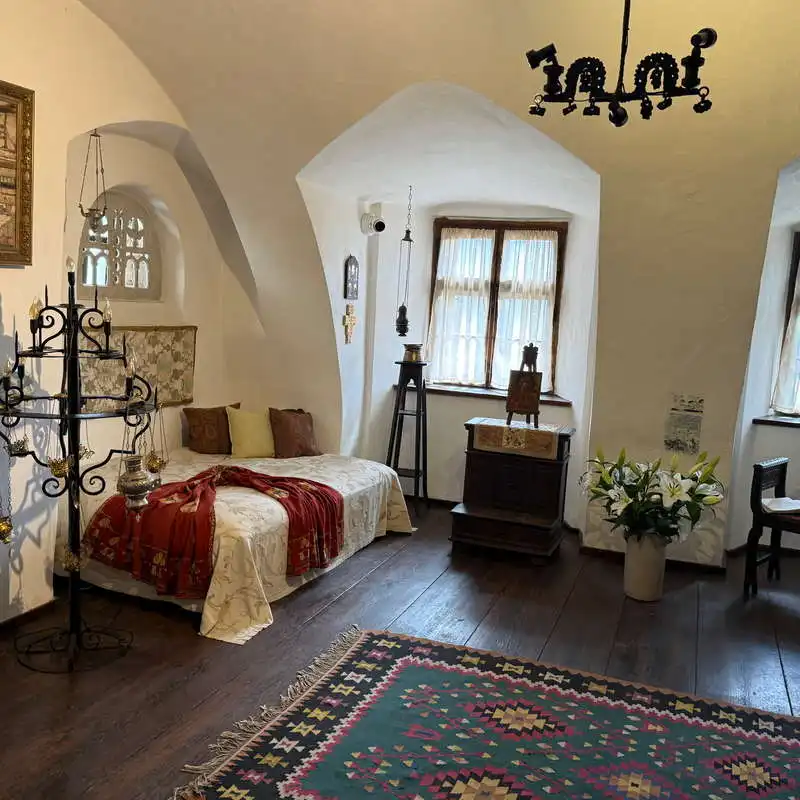
Queen Marie's bedroom

Queen's bedroom

Queen's bedroom antechamber

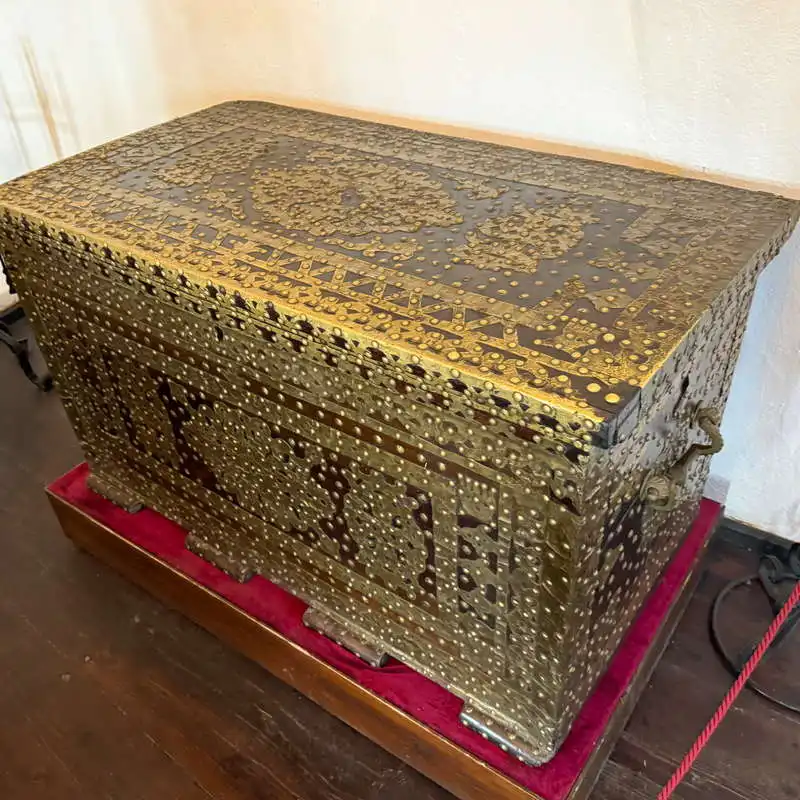
chest

2. Loggia and terrace

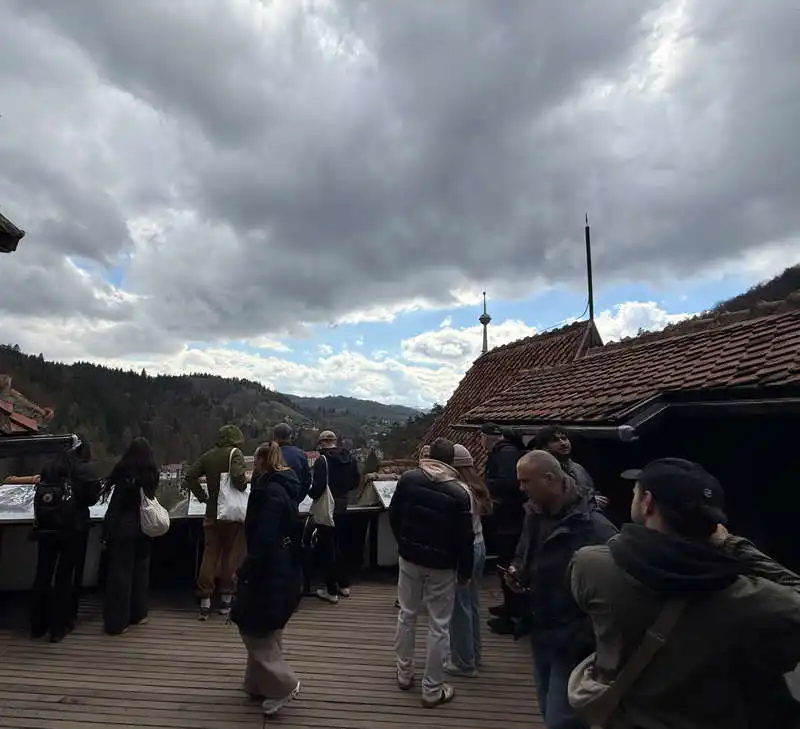
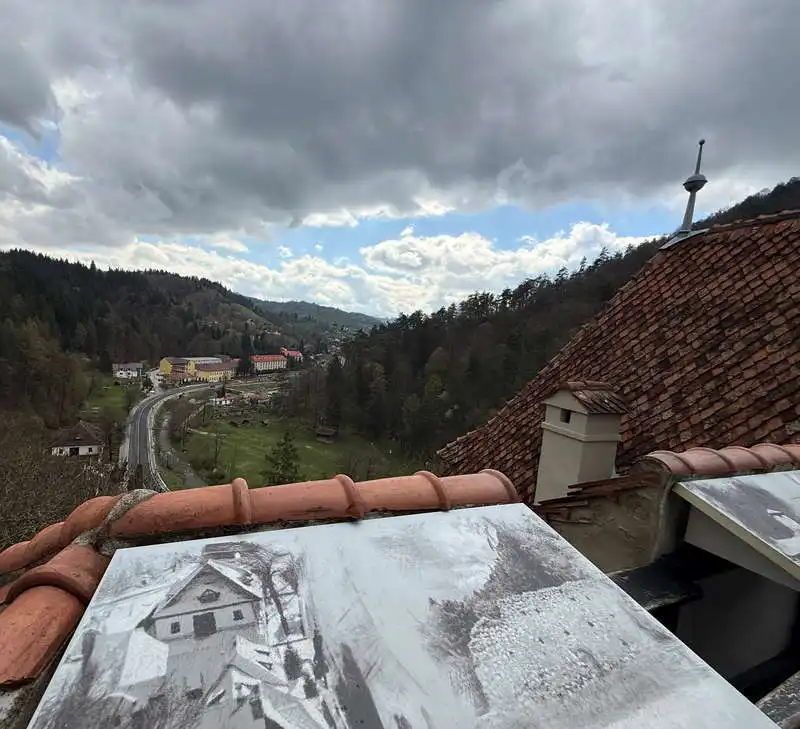
The loggia and terrace of Bran Castle offer some of the most beautiful views of the surroundings, opening onto the Carpathian Mountains and Bran village. These outdoor spaces harmoniously blend medieval architecture with royal influences, creating an ideal place for relaxation and contemplation.

Fitted out during the reign of Queen Marie of Romania, the loggia and terrace reflect her preference for light, fresh air and connection with nature. Elegant arches, simple columns and discreet decorative details contribute to a refined yet intimate atmosphere.

Today, visitors can step onto these terraces to enjoy the spectacular views and to better understand why the castle was not only a fortress, but also a place of refuge and inspiration.

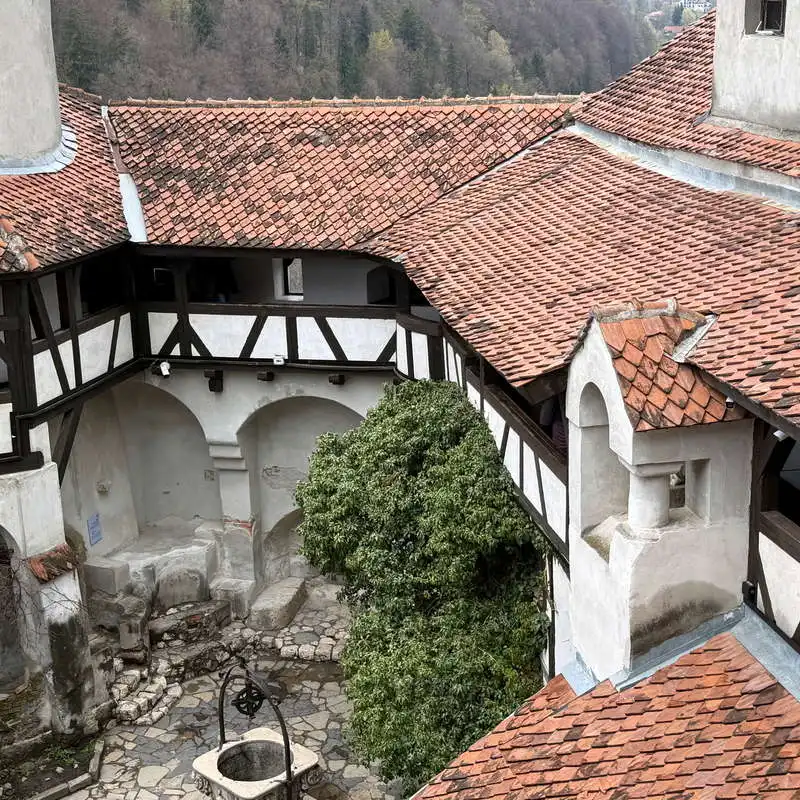
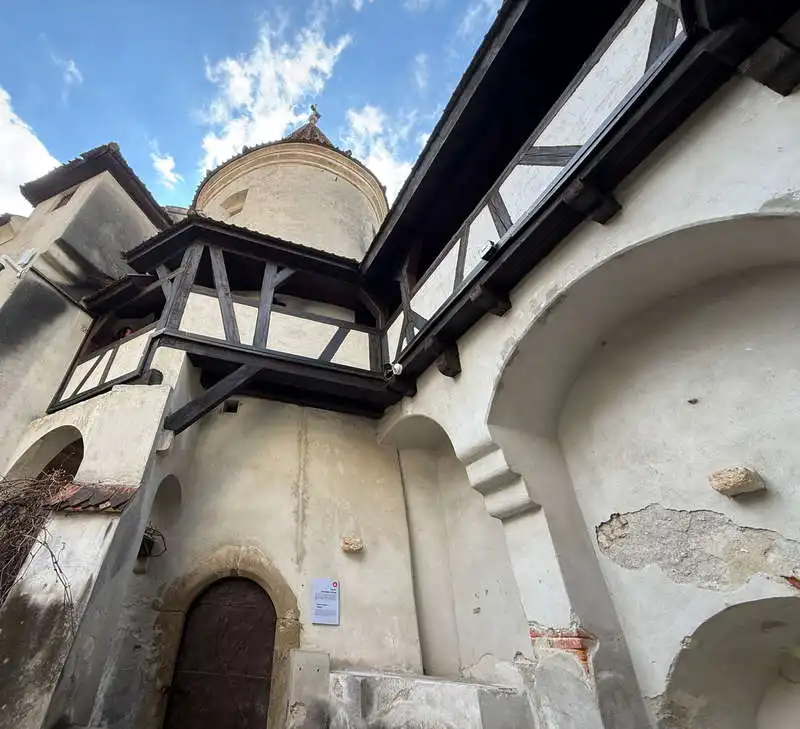
loggia and inner courtyard

loggia

castle terrace

view from the terrace

3. Courtyard and fountain

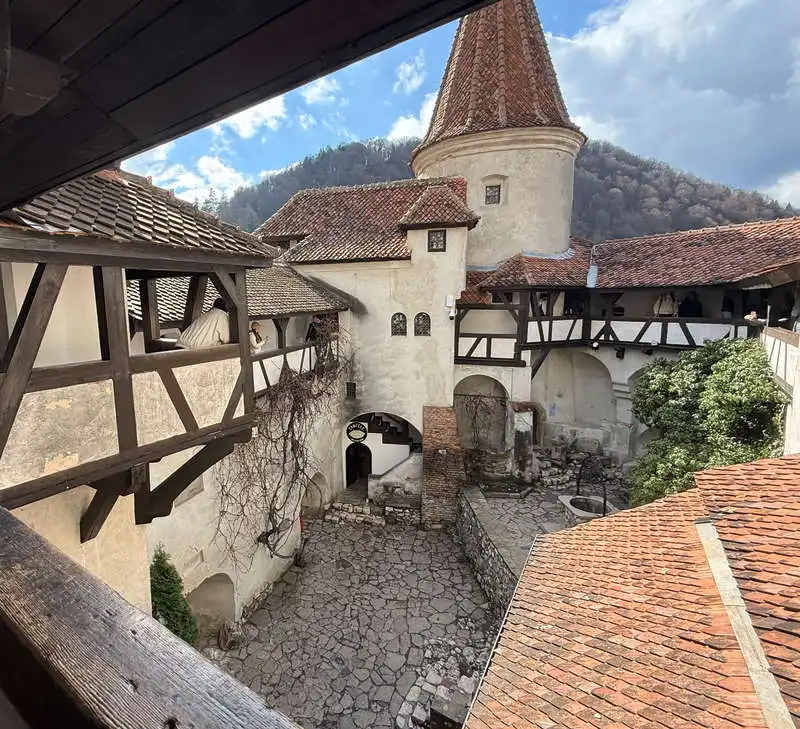
The inner courtyard of Bran Castle is one of the most authentic spaces of the ensemble, preserving the atmosphere of an active medieval fortress. Surrounded by massive stone walls and imposing towers, the courtyard was once the main place of activity, where various defense operations and daily life were carried out.

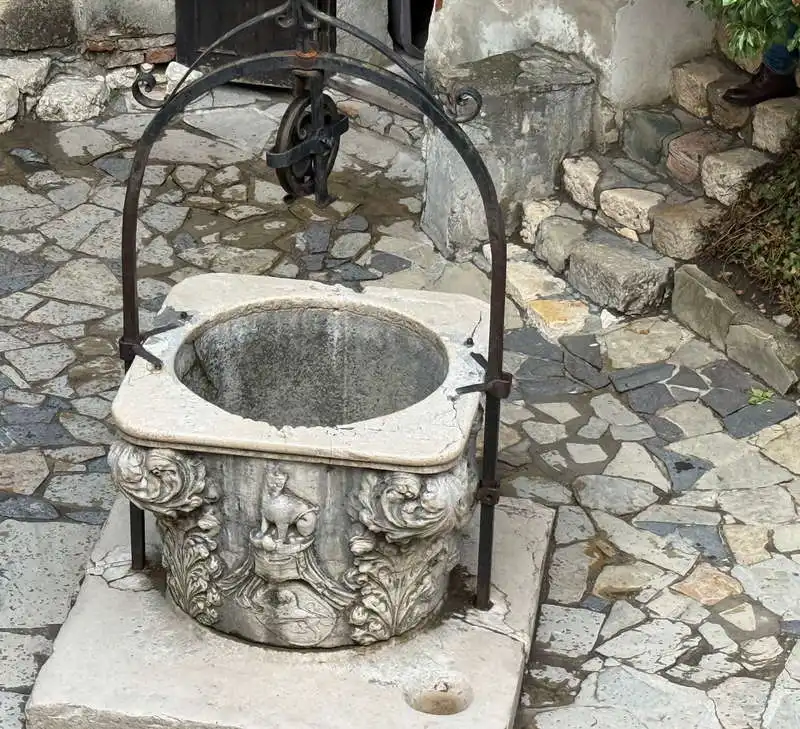
In the center of the courtyard is the deep rock-cut well, considered one of the oldest structures of the castle. Legend has it that it was built by Turkish prisoners, but its main purpose was to provide a source of water during sieges, essential for the survival of the fortress.

Today, the inner courtyard is a must for visitors, but also a place to stop to admire the architecture of the complex and to feel the historic atmosphere of the castle, where every stone seems to tell a story.

fountain

view of the courtyard

4. Defense corridor and torture chamber

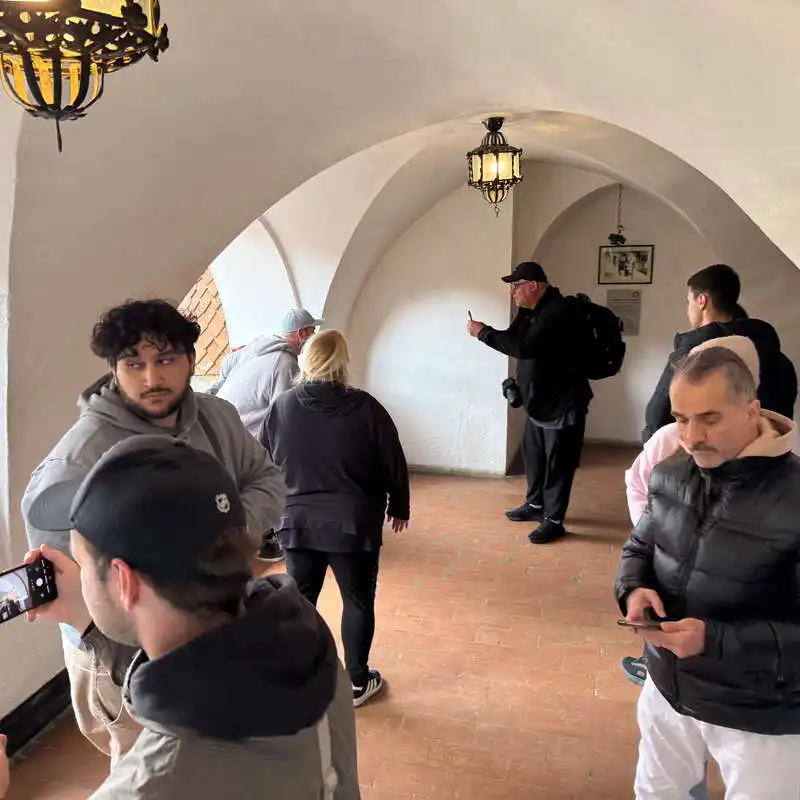
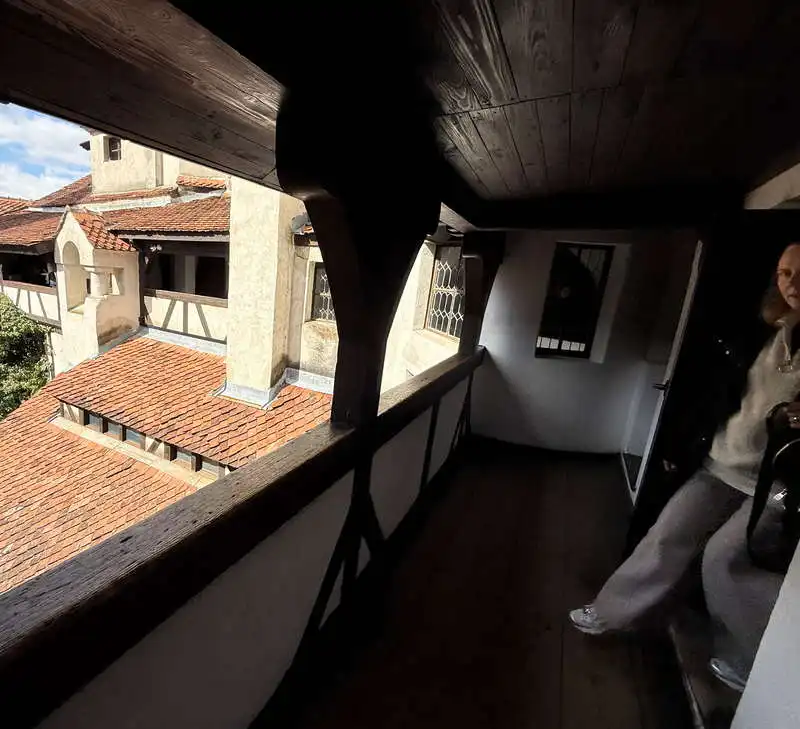
Inside Bran Castle, the defense corridor is one of the most interesting medieval routes, built to facilitate the rapid movement of soldiers and the effective defense of the fortress. Its thick stone walls, narrow staircases and strategic openings for surveillance clearly show its past military role.

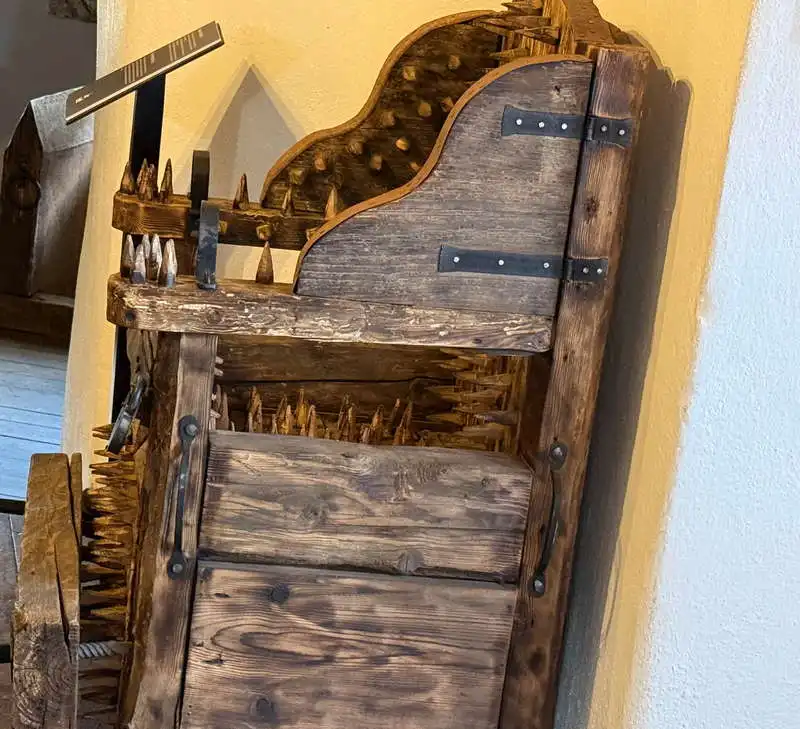
Along this route you will also reach what is known as the „torture chamber”, a small and austere space that is part of the medieval mythology associated with the castle. Although there is no clear evidence that it was frequently used for this purpose, its design evokes the harsh atmosphere of the time and the defensive role of the fortress.

Today, these rooms are integrated into the tourist circuit and contribute to the visitor experience, offering an insight into the medieval realities, but also into the legends that have made Bran Castle a symbol of mystery and Gothic stories.

torture chair

defense corridor

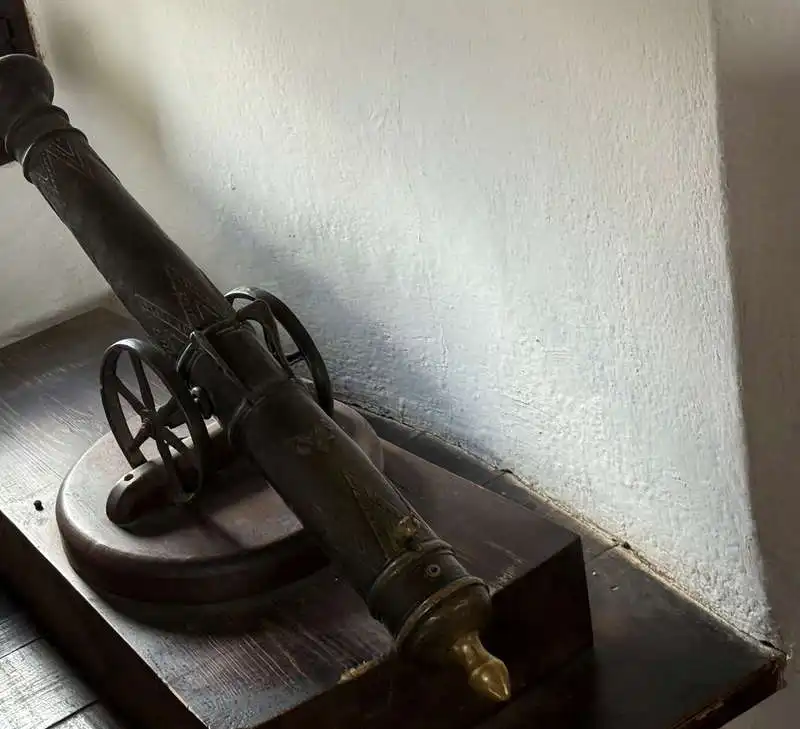
miniature cannon

morbid room

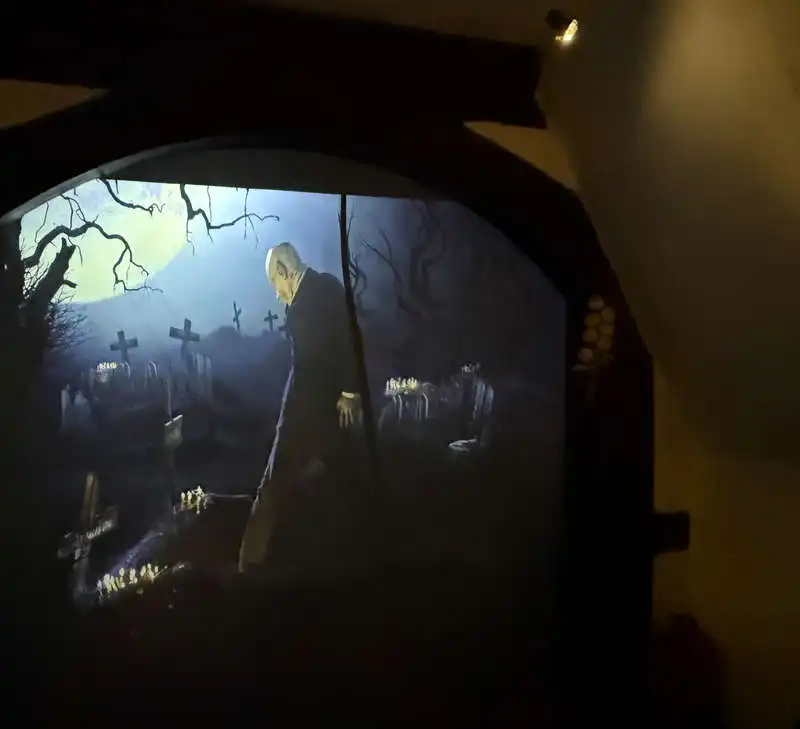
hologram horror

5. Saxon Chamber

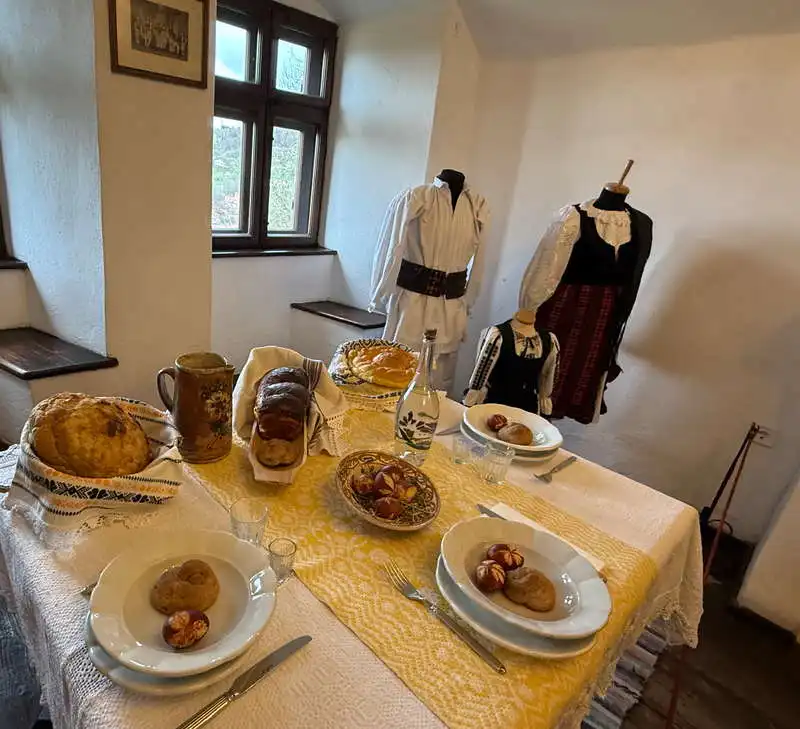
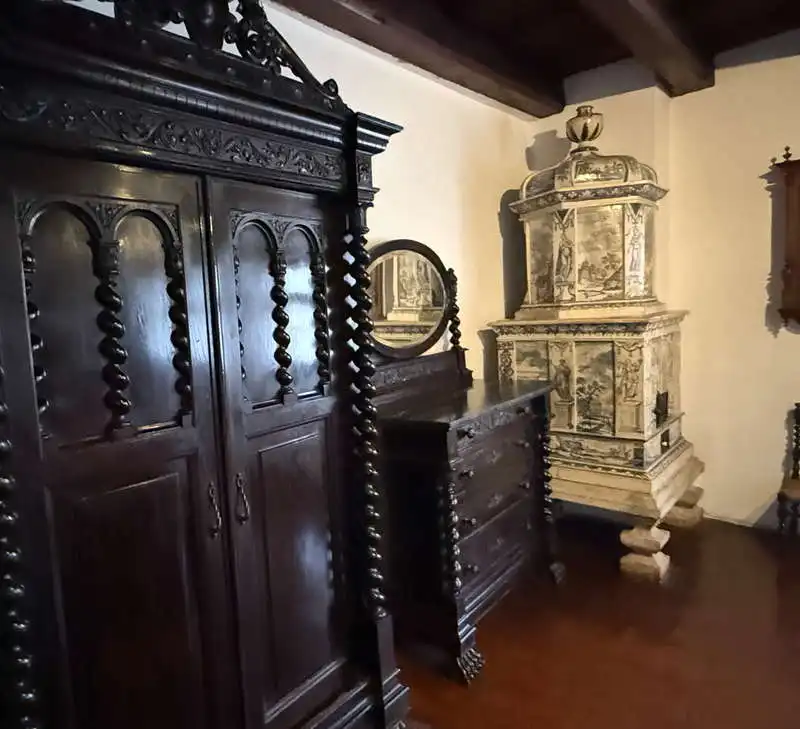
The Saxon room in Bran Castle reflects the influence of the Transylvanian Saxon community on the architecture and daily life in the area. Simple but functional, the room illustrates the practical and orderly lifestyle of the Saxon settlers who contributed to the development of the region.

The solid wood furniture, traditional textiles and household objects give an authentic image of a typical Saxon household. Each element is chosen for utility as well as durability, reflecting community values of simplicity, discipline and efficiency.

Today, the Saxon Room completes the tour of the castle, offering an important cultural insight into the historical diversity of Transylvania and the people who have lived and influenced life around Bran over the centuries.

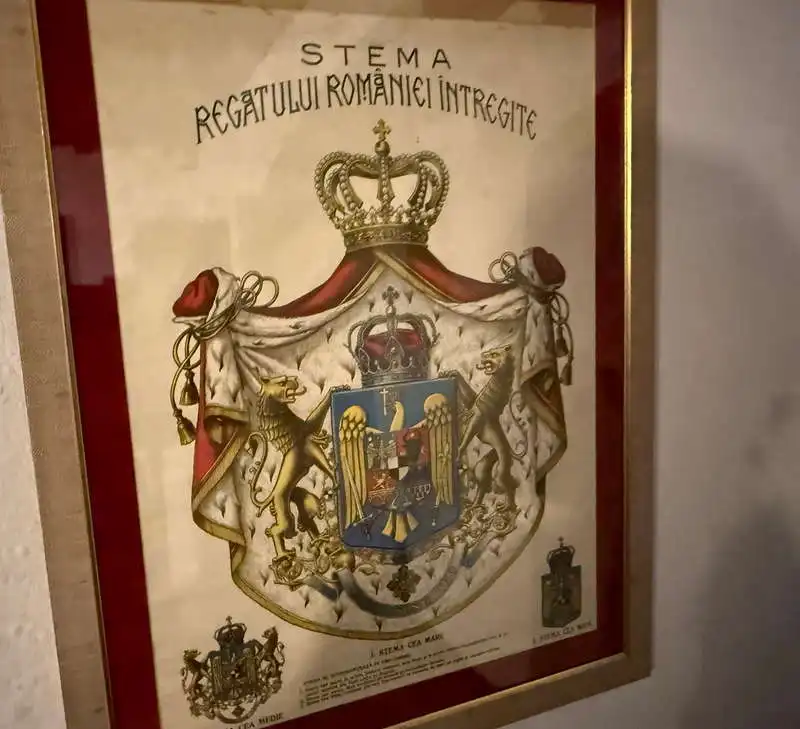
coat of arms of the Kingdom of Romania

Saxon Chamber

6. King Ferdinand's Bedroom

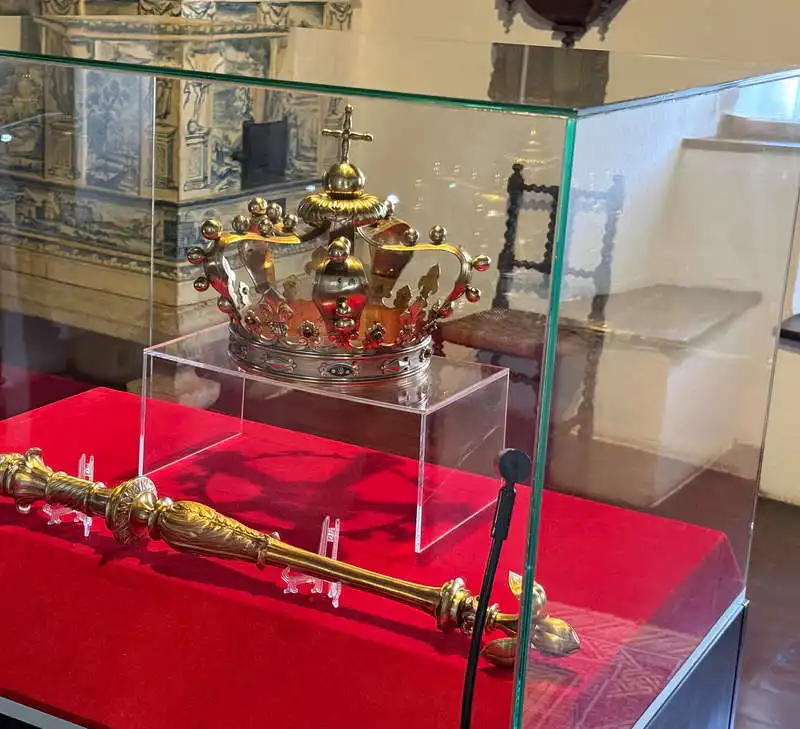
Within Bran Castle, King Ferdinand's bedroom completes the royal story of the castle, along with the period when it was the summer residence of the Romanian royal family.

The room is decorated in a sober and elegant style typical of the early 20th century, reflecting the personality of King Ferdinand I of Romania. The simple but refined furnishings and discreet details suggest an atmosphere of peace and order, in contrast to the castle's medieval fortress image.

The space gives visitors an insight into royal life at Bran, highlighting how the castle has been adapted to become a comfortable residence without losing its historic character. Thus, the king's bedroom adds a touch of authenticity and balance between history, functionality and royal court life.

royal sceptre and crown

King Ferdinand's bedroom

7. Prince Mircea Chapel

Inside Bran Castle is Prince Mircea's Chapel, an emotionally and historically charged space dedicated to the memory of Prince Mircea. Prince Mircea of Romania.

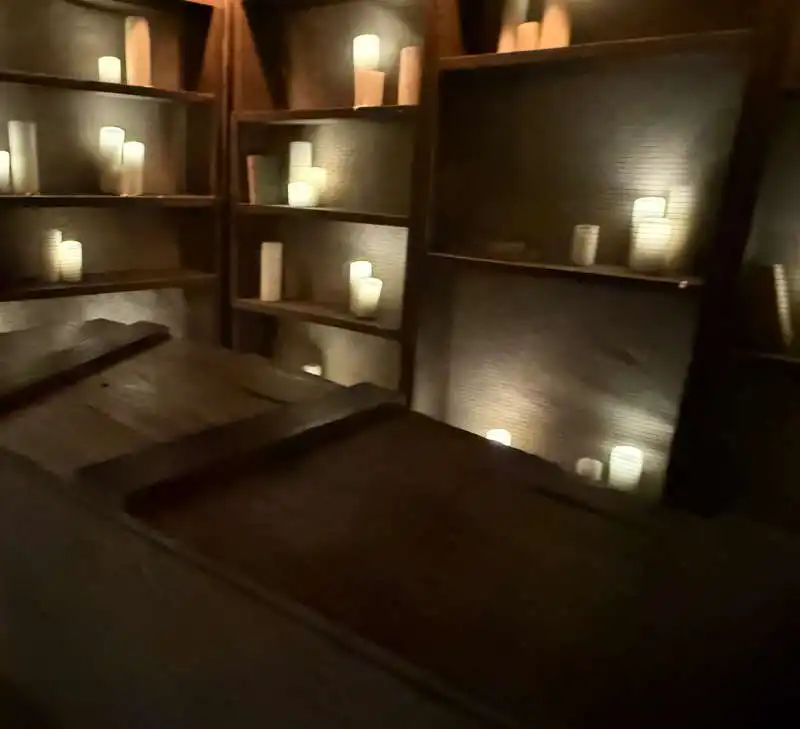
The chapel is decorated in a simple and sober style, typical of places of recollection, with discreet details that invite silence and reflection. Its atmosphere contrasts with the more richly decorated rest of the castle, emphasizing the spiritual and commemorative character of the room.

This place recalls the tragic destiny of the prince and the royal family's deep connection with Bran. Today, the chapel remains a place of silence during the visit, adding a human and emotional dimension to the tourist experience at the castle.

Chapel of Prince Mircea

8. Exterior courtyard and lakes

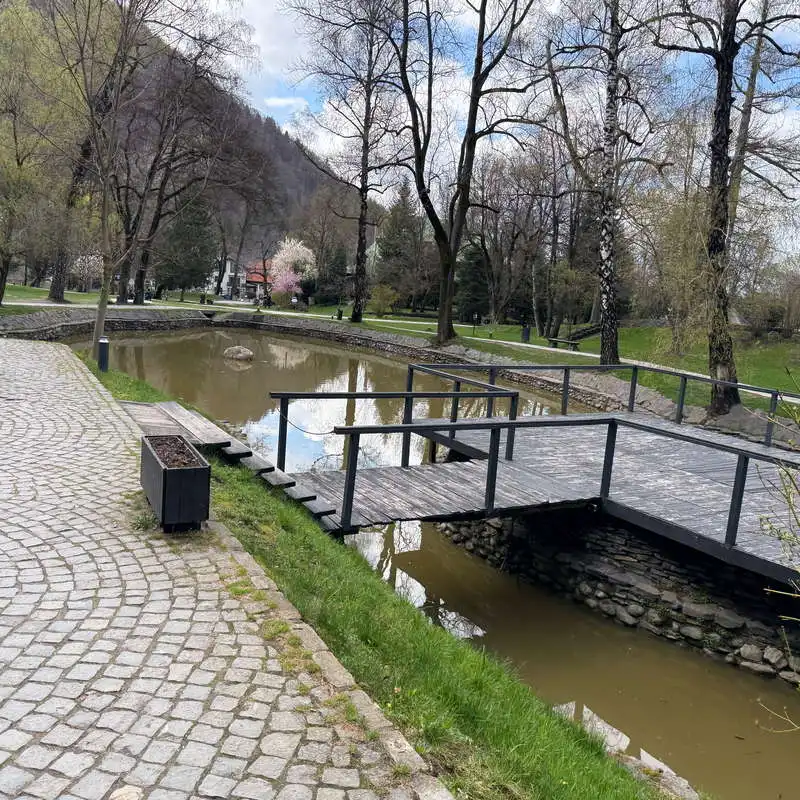
The outdoor area of Bran Castle perfectly complements the experience of the visit, offering an open space where nature and history blend harmoniously. The outer courtyard is laid out as a small park, with pedestrian walkways, green areas and vantage points overlooking the castle and its surroundings.

Nearby are the small decorative lakes, originally created when the castle was a royal residence for Queen Maria of Romania. They add an extra charm to the landscape, reflecting the silhouette of the castle and providing an ideal setting for photos and relaxing moments.

Today, the outer courtyard and the lakes area are among the most appreciated places by visitors, especially after the interior tour, offering a peaceful transition from the medieval atmosphere to the natural beauty of the Carpathian Mountains.

Great Lake

Bran Castle

Conclusion

Bran Castle remains one of the most spectacular tourist destinations in Romania, where medieval history, royal elegance and legends intertwine in a unique experience. From the intimate rooms of the royal family to the defensive corridors and the inner courtyard, each space tells a different story about the past of this iconic place.

A visit to Bran is not only the discovery of a historical monument, but also a foray into a special atmosphere, amplified by the mountain landscape around Brasov. Whether you are attracted by history, architecture or the myth of Dracula, the castle offers a complete, memorable and easily integrated experience in any tourist itinerary in Romania.

All the best!

Steps:

en_USEnglish