Authentic tradition and a legendary stone, Manisa, Turkey

Manisa Mevlevi Lodge and Niobe's Weeping Rock

Where, when, how much?

Manisa Mevlevi Lodge It is located in the Şehzadeler neighborhood, at the foot of Mount Spil. It is open to visitors Monday through Friday, from 9:00 a.m. to 5:00 p.m. Admission is free.

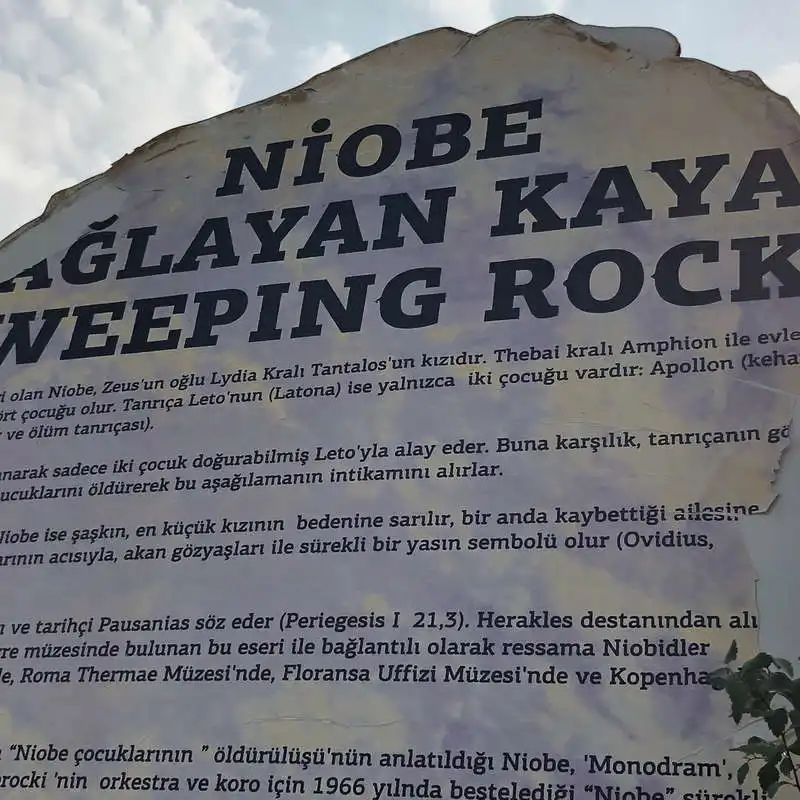
Niobe Weeping Rock (Ağlayan Kaya) It is located on the slopes of Mount Spil, just a few minutes from downtown Manisa. The formation can be admired at any time of day. Admission is free.

The two sites are close to each other and can be visited on the same trip, with no admission fee.

About Manisa Mevlevi Lodge and Niobe's Weeping Rock

The Manisa Mevlevihanesi is one of the oldest lodges of the Mevlevi Order in Turkey, built in the 14th century. The lodge served as an important spiritual center for the whirling dervishes, followers of the teachings of the poet and philosopher Mevlana Rumi. Today, the building impresses with its simple architecture and the elegance characteristic of the early Ottoman period.

A short distance away lies Niobe Weeping Rock (Ağlayan Kaya), a rock formation associated with one of the most famous legends of Greek mythology. According to the story, Niobe, overcome with grief after losing her children, was turned into a rock that continues to weep. The drops of water trickling down the rock’s surface inspired this legend and have turned the place into a symbol of sadness and endurance over time.

Together, these two attractions offer a fascinating glimpse into the history, spirituality, and myths that have shaped the identity of the Manisa region.

1. Manisa Mevlevi Lodge

Nestled at the foot of Mount Spil, the Manisa Mevlevihanesi is one of the oldest and best-preserved lodges of the Mevlevi Order in Turkey. Built in 1369 by İshak Çelebi, the building served for centuries as a spiritual center for the whirling dervishes, followers of the teachings of Mevlana Jalaluddin Rumi.

Its architecture reflects the elegance of the early Ottoman period, featuring simple, harmonious spaces dedicated to prayer, meditation, and study. Over time, the Mevlevihanesi has become an important gathering place for those interested in Sufi traditions and the spiritual culture of Anatolia.

Today, visitors can discover an authentic part of Manisa’s history here, in a peaceful setting that preserves the mystical atmosphere of the ancient Mevlevi Order. The view of Mount Spil completes the experience and transforms the visit into a fascinating journey into the region’s cultural heritage.
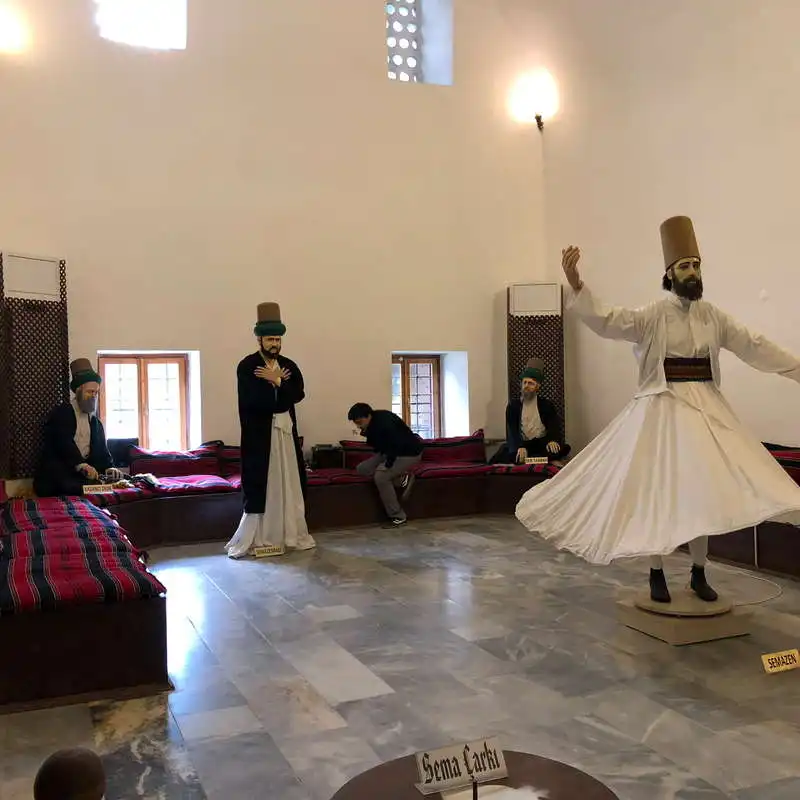
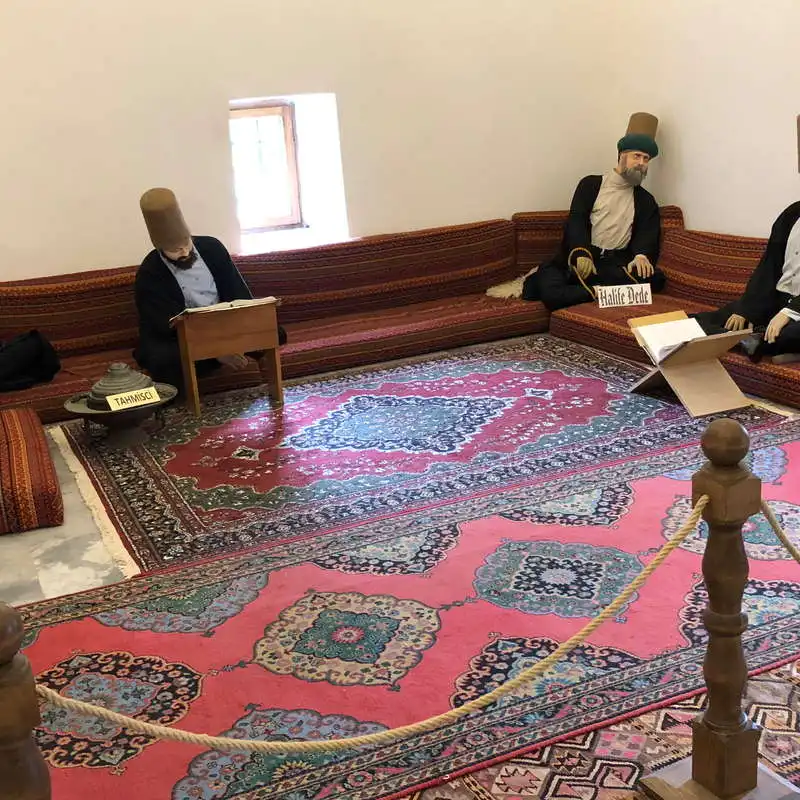
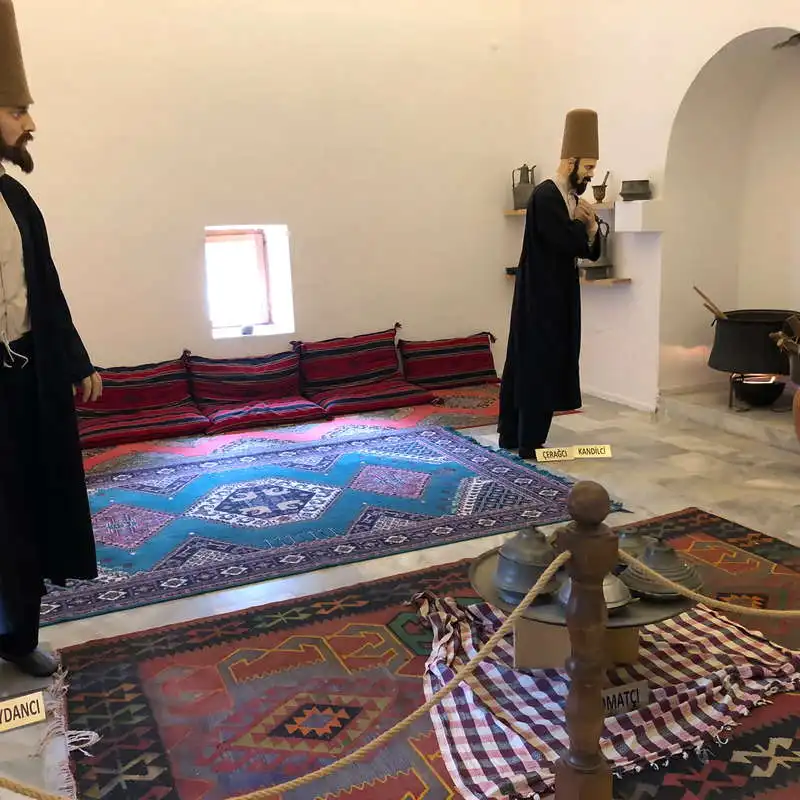
Religious Ranks and the Mevlevi Whirling Dance

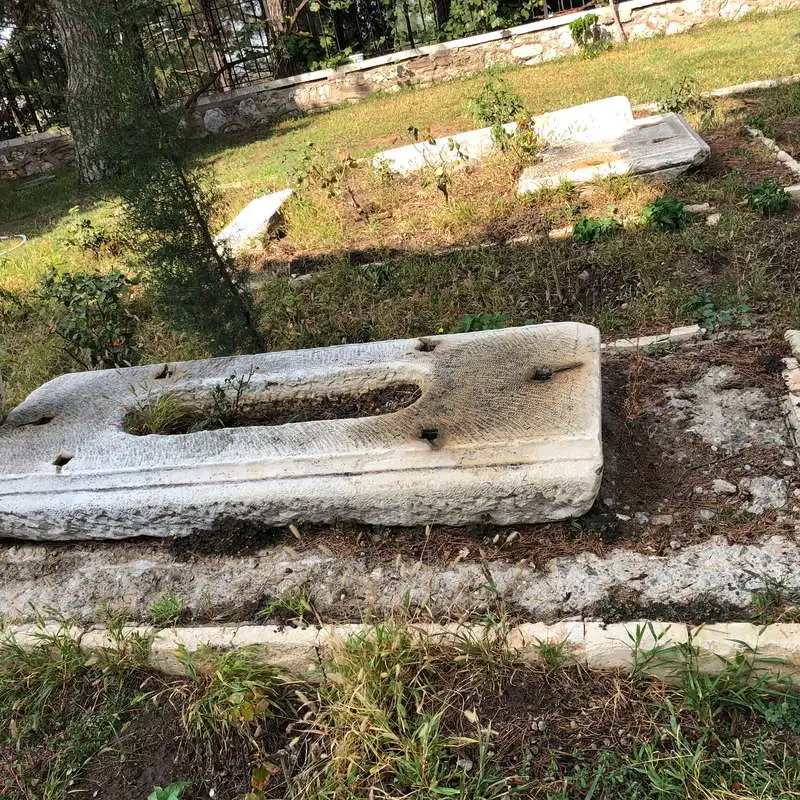
tomb

He was in class with Hoge here

roles within the religious organization

Manisa Mevelvihanesi was built in the 14th century

2. Niobe Weeping Rock

Niobe Weeping Rock, known in Turkish as Ağlayan Kaya („Weeping Rock”), is one of the most famous natural attractions in Manisa. The rock formation is associated with the legend of Niobe from Greek mythology. According to the story, Niobe boasted that she had more children than the goddess Leto, and as punishment, the gods Apollo and Artemis killed her children. Overwhelmed by grief, Niobe was turned into a rock whose „tears” still flow today in the form of water droplets trickling down the rock’s surface.

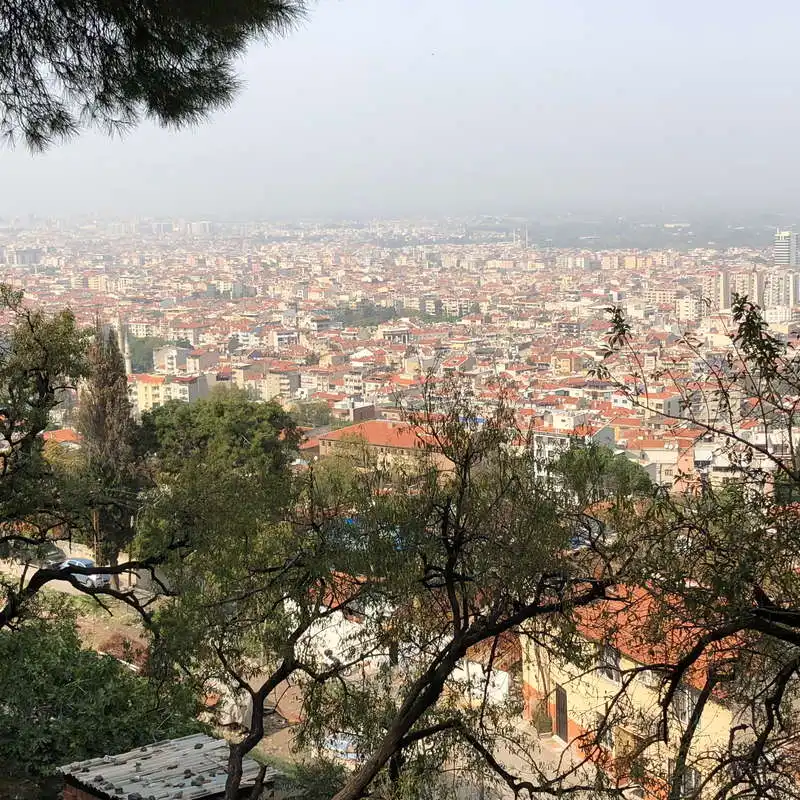
Thanks to this moving legend and its unusual appearance, Niobe Weeping Rock attracts both mythology enthusiasts and tourists interested in the region’s natural beauty. Located on the slopes of Mount Spil, the rock also offers pleasant views of the surrounding area.

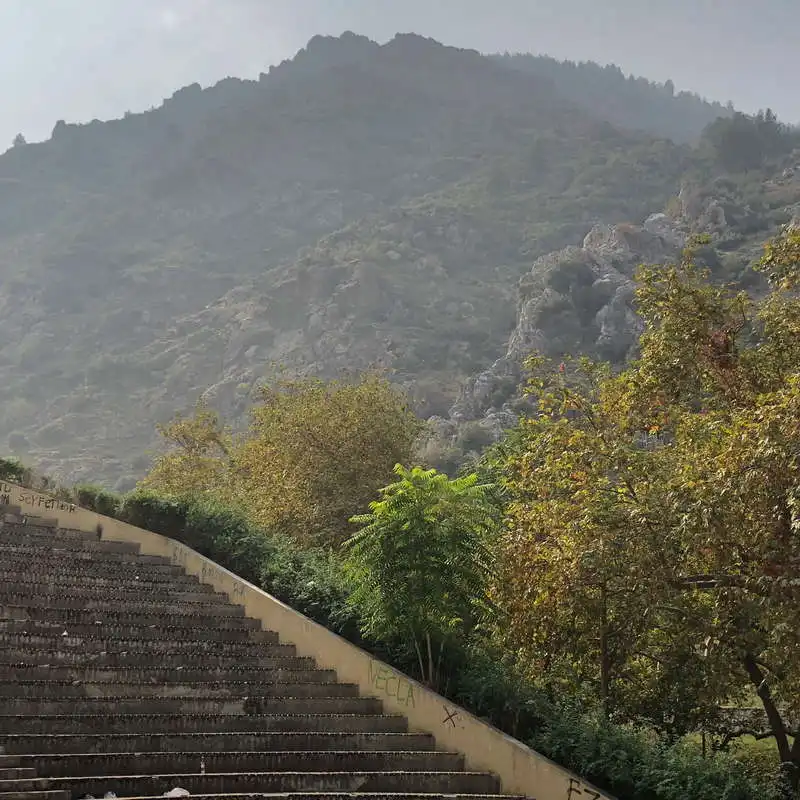
Mount Spil

Niobe Weeping Rock

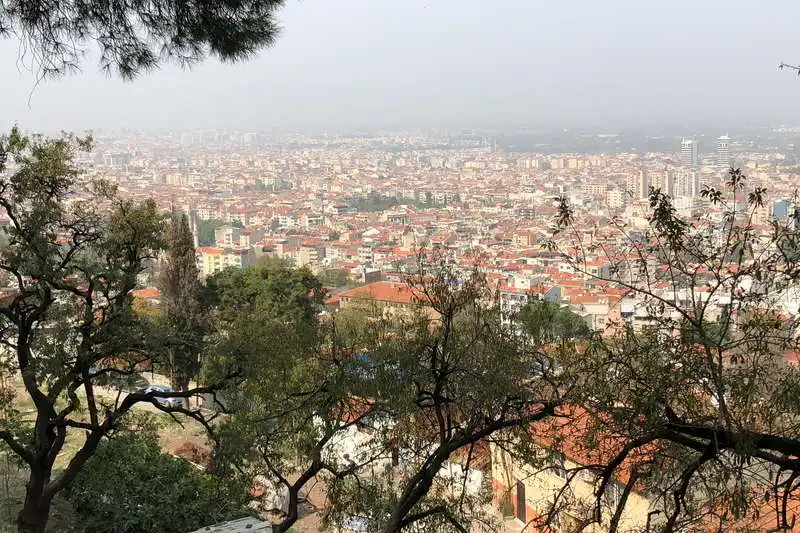
viewpoint overlooking the city of Manisa

Conclusion

Manisa captivates visitors with its unique blend of history, spirituality, and legend. While the Manisa Mevlevihanesi offers a glimpse into the Sufi traditions and cultural heritage of Anatolia, Niobe Weeping Rock brings to life one of the most moving stories of Greek mythology. Together, these two attractions reveal an authentic side of the region and transform a simple visit into a journey through centuries of culture, faith, and imagination.

All the best!

Steps:

en_USEnglish