Tourist guide Bologa, Poieni, Cluj

Medieval fortress and authentic nature in the Apuseni mountains

About Bologna

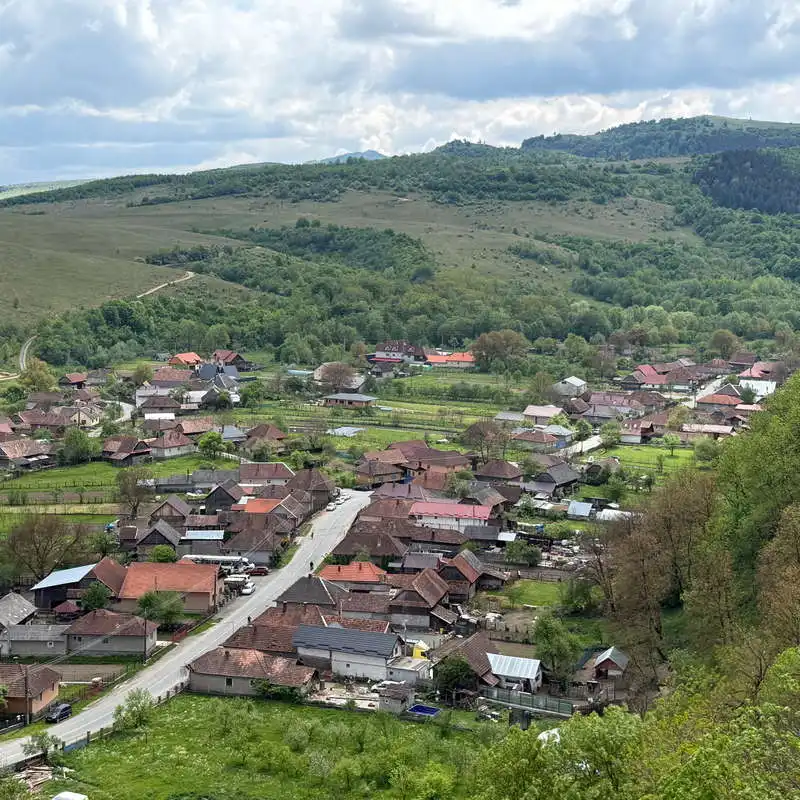
Bologna is a village in Cluj County, belonging to the commune of Poieni, located on the Criș Repede Valley, at the foot of the Apuseni Mountains. The village is about 65 km from Cluj-Napoca and is easily accessible by DN1 / E60, on the Cluj-Napoca - Oradea route, but also by railroad (now under reconstruction). The village has a population of a few hundred inhabitants and preserves the multicultural specificity of Transylvania, being inhabited mainly by Romanians, together with Hungarian and Roma communities. From a religious point of view, the Orthodox religion predominates, along with Reformed and Pentecostal communities. Bologa is known for the natural landscapes of the Apuseni Mountains and for the famous Bologa Fortress, one of the most important historical sights in the area.

History Bologa

The history of the village of Bologa is closely linked to its strategic position on the Crișului Repede Valley, one of the most important routes connecting Transylvania and Western Europe. The village is documented since the Middle Ages and developed around the commercial and defense activities of the area.

The most important symbol of the village is the Bologa Fortress, built in the 14th century to oversee the trade route crossing the Apuseni Mountains. Over time, the fortress has played an important defensive role and has been involved in several regional conflicts.

In modern times, Bologa became known for its stone quarrying and local traditions preserved by the local community. Today, the village combines its historical heritage with the natural beauty of the Apuseni Mountains, making it a popular destination for tourists passionate about history and nature.

Route map

(click on objectives for extended version)

1. Bologa Fortress

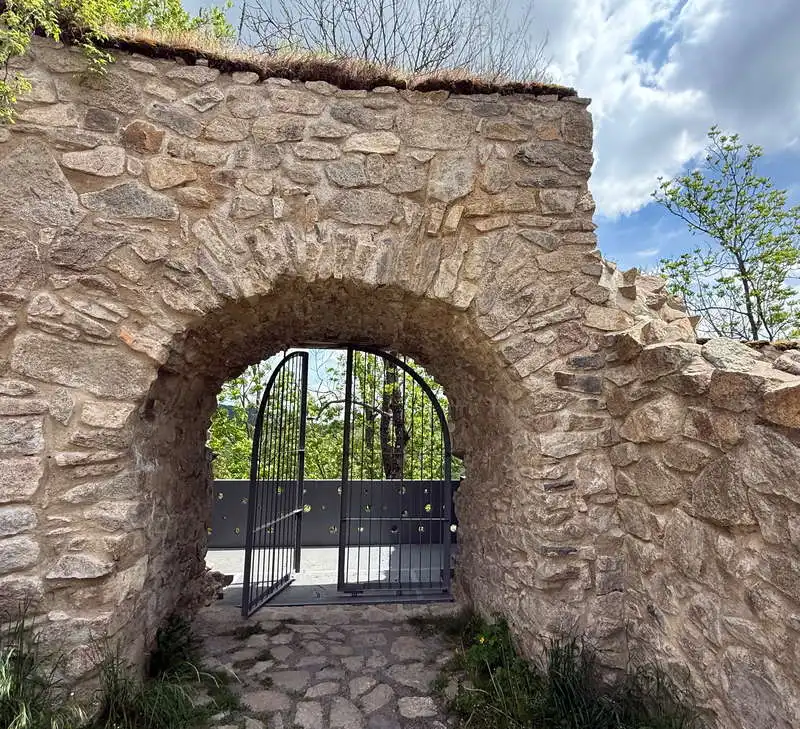
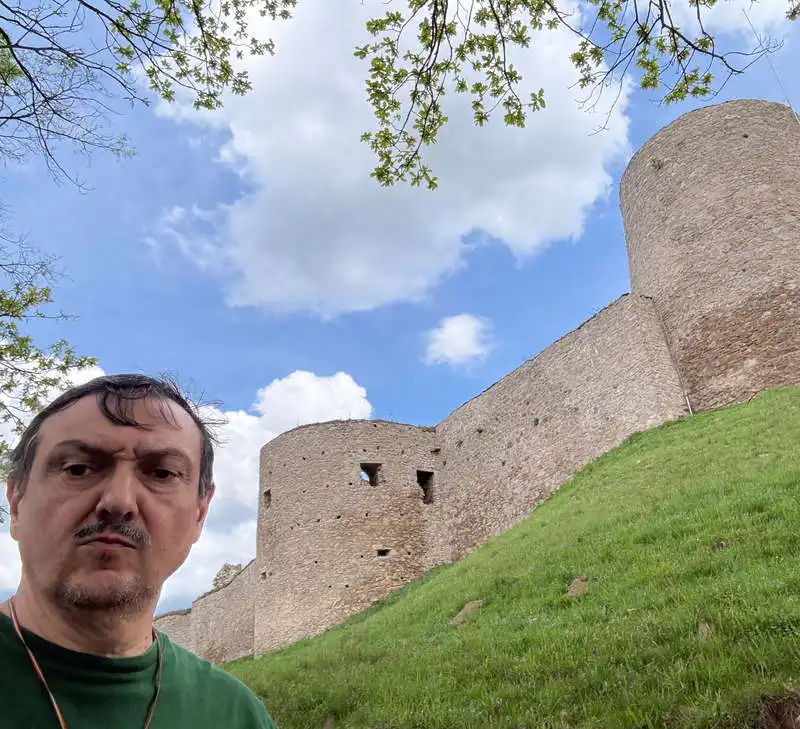
Bologa Fortress is the best known tourist attraction in the area and one of the oldest medieval monuments in Cluj County. Built in the 14th century, the fortress had a strategic role of defense and surveillance of the trade route that crossed the Crișului Repede Valley, linking Transylvania to Western Europe.

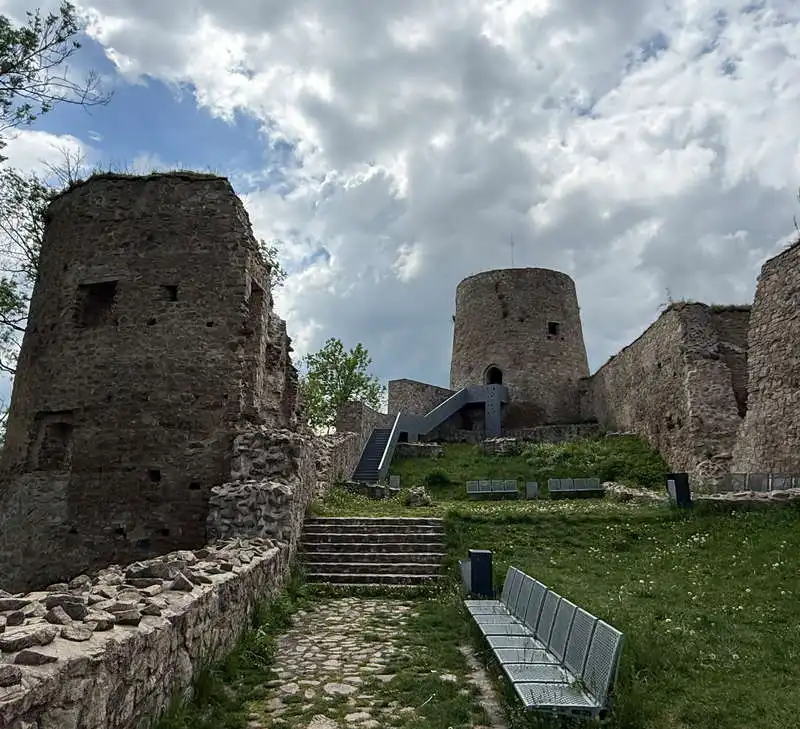
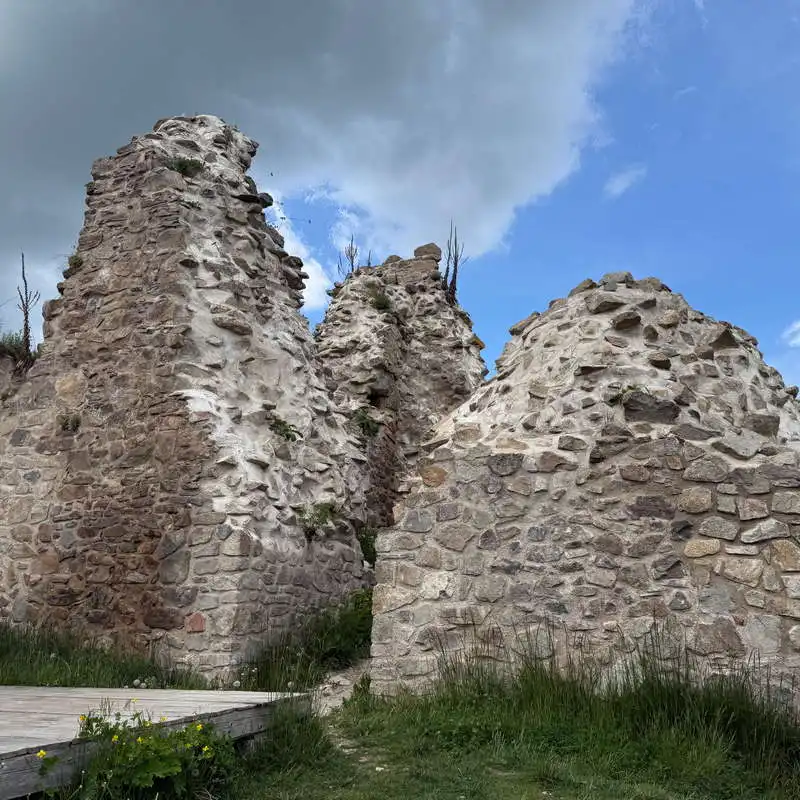
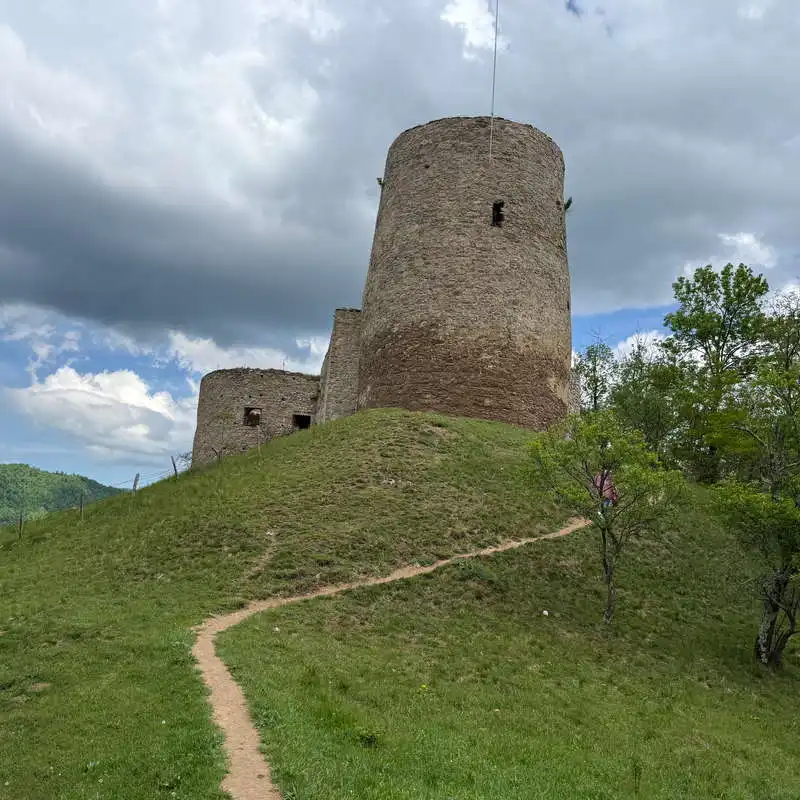
Built on a rocky hillside, the fortress offers spectacular views of the surrounding area and still retains original walls and features reminiscent of its medieval past. Over the centuries, the fortification has been involved in numerous conflicts and has played an important role in defending the region.

Today, the Bologa Fortress is a popular place for tourists, photographers and history lovers, being renovated and accessible via a short trail starting from the main street of the village. The visit offers a perfect combination of historical heritage and spectacular views of the Apuseni Mountains.

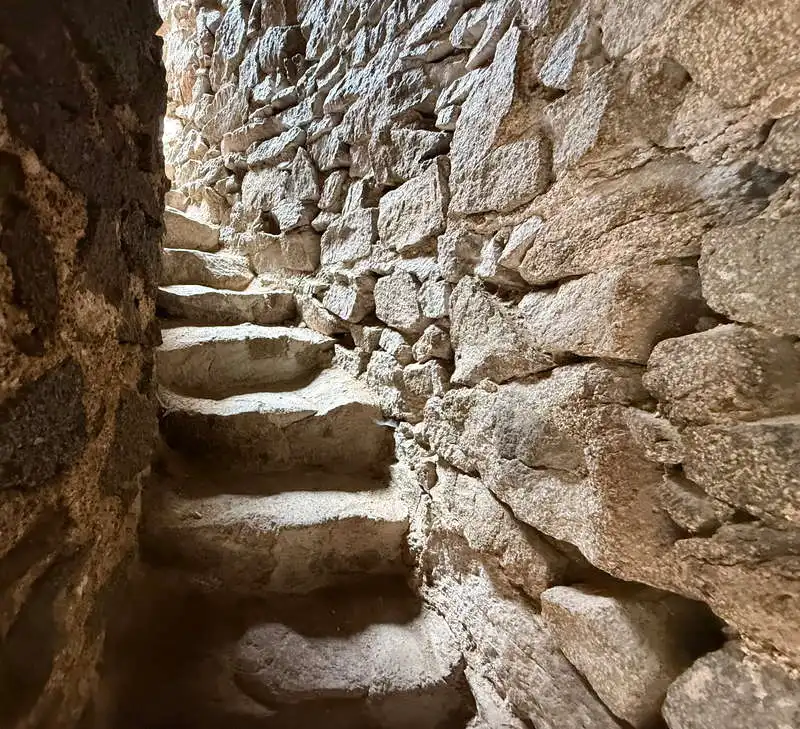
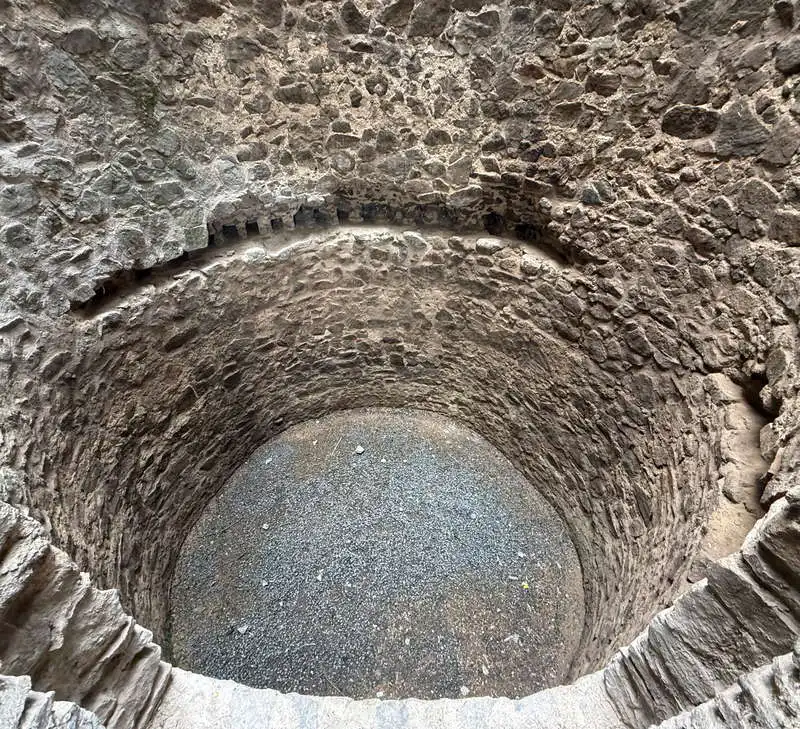
In the citadel tower is the fountain, and a very narrow stone staircase leads up to the belvedere.
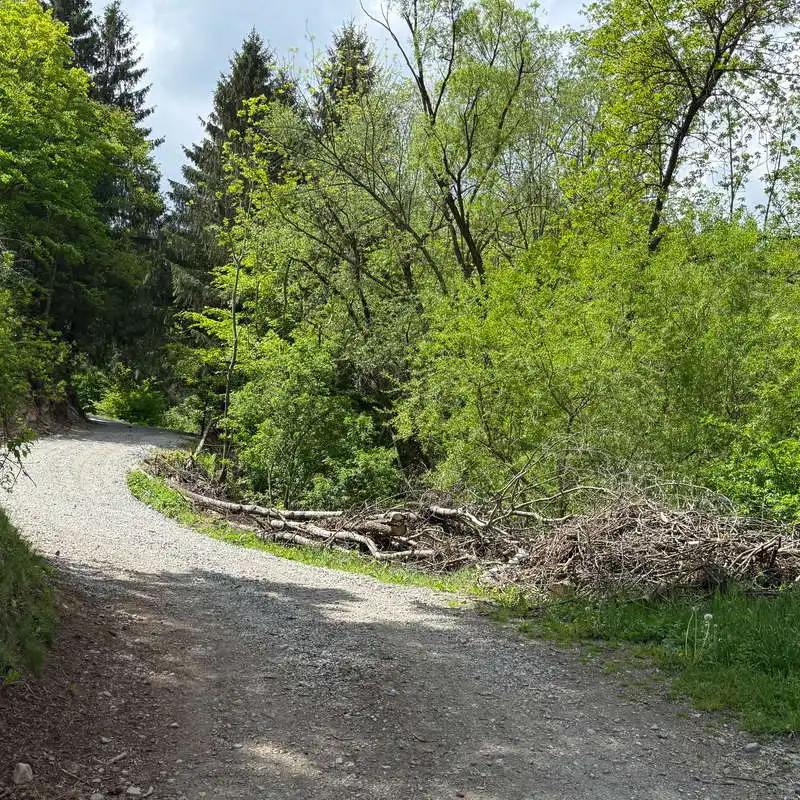
the road to Bologa Fortress

The medieval fortress of Bologa

entrance to the citadel

renovated citadel

ruins of the fortress

climbing the tower

village of Bologa

fortress fountain

2. Water mill and museum

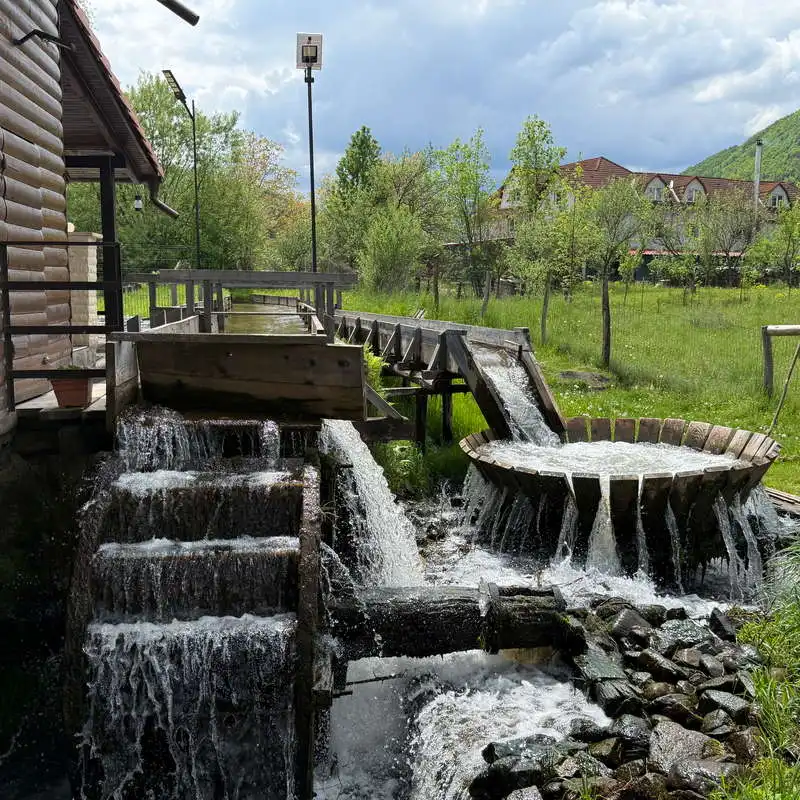
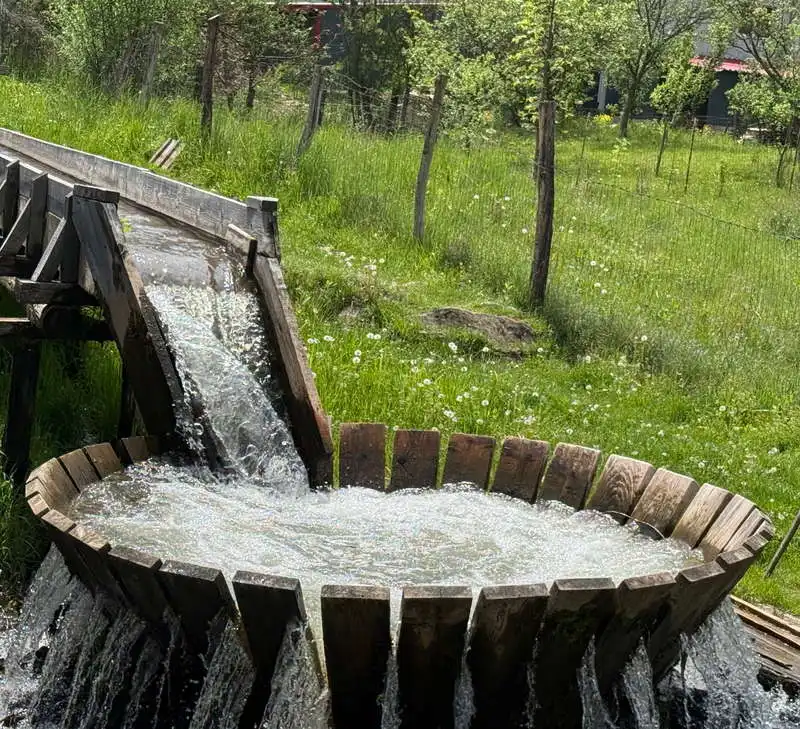
The water mill in Bologa is one of the most authentic traditional attractions in the area, preserving the atmosphere of the villages of the Apuseni Mountains. Driven by the force of water, the mill is an example of the techniques used by local communities to grind cereals and exploit natural resources.

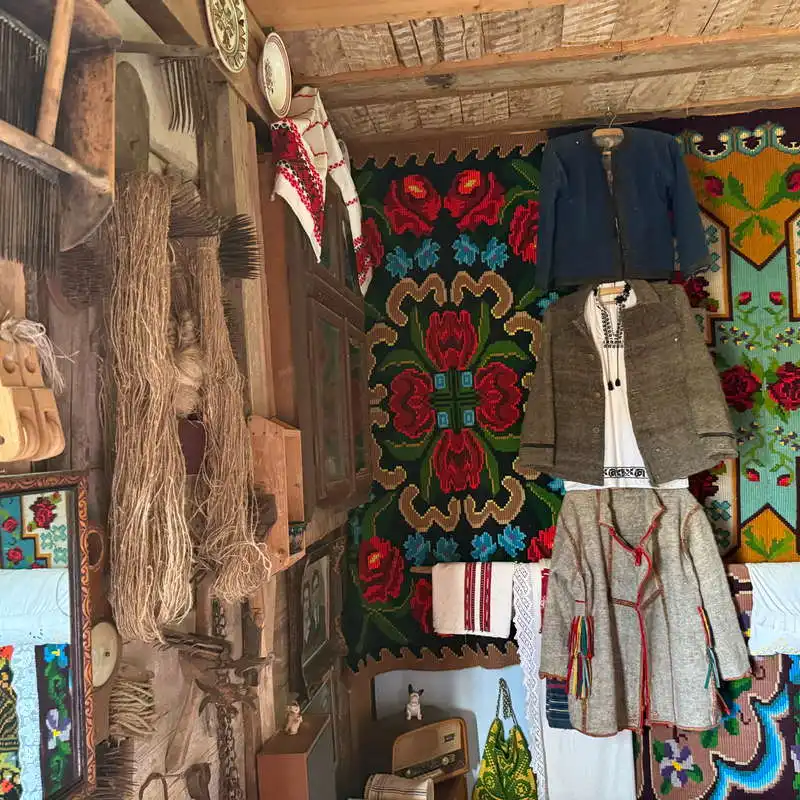
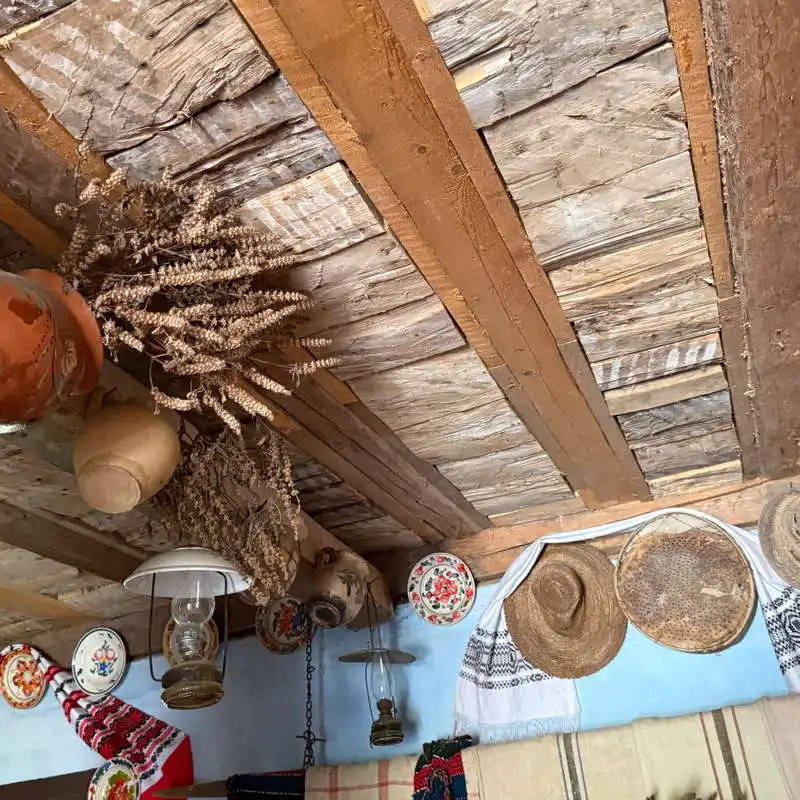
Nearby there is also a small ethnographic museum where visitors can discover traditional objects, old tools and items illustrating the everyday life of the inhabitants of Bologa. The ensemble offers an authentic insight into the local history and traditions and is a recommended stop for those who want to discover the rural culture of the Apuseni.

Ethnographic Museum

museum exhibits

water mill

The whirlwind of the Museum of Death

3. Roman castle Resculum

The Resculum Roman fortress is one of the most important historical relics in the Bologa area, reminiscent of the period when the territory was part of the Roman province of Dacia. The fortification was built by the Romans to defend strategic roads and to control crossings from the Apuseni Mountains.

The castle ruins preserve traces of the ancient walls and provide a glimpse of Roman military organization in the region. Over time, inscriptions, ceramic fragments and other valuable artifacts have been discovered here, confirming the historical importance of the settlement.

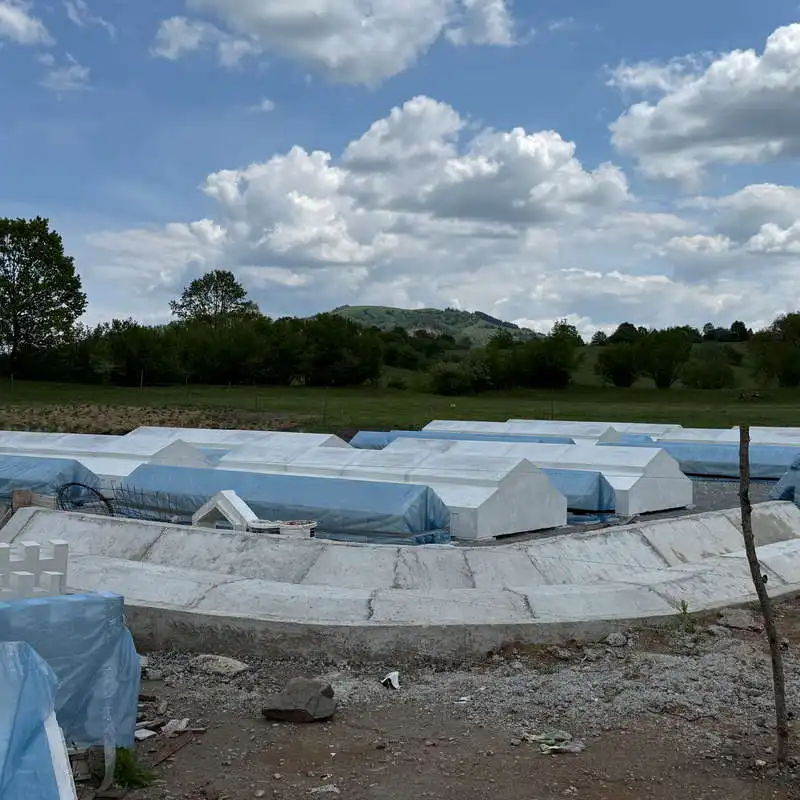
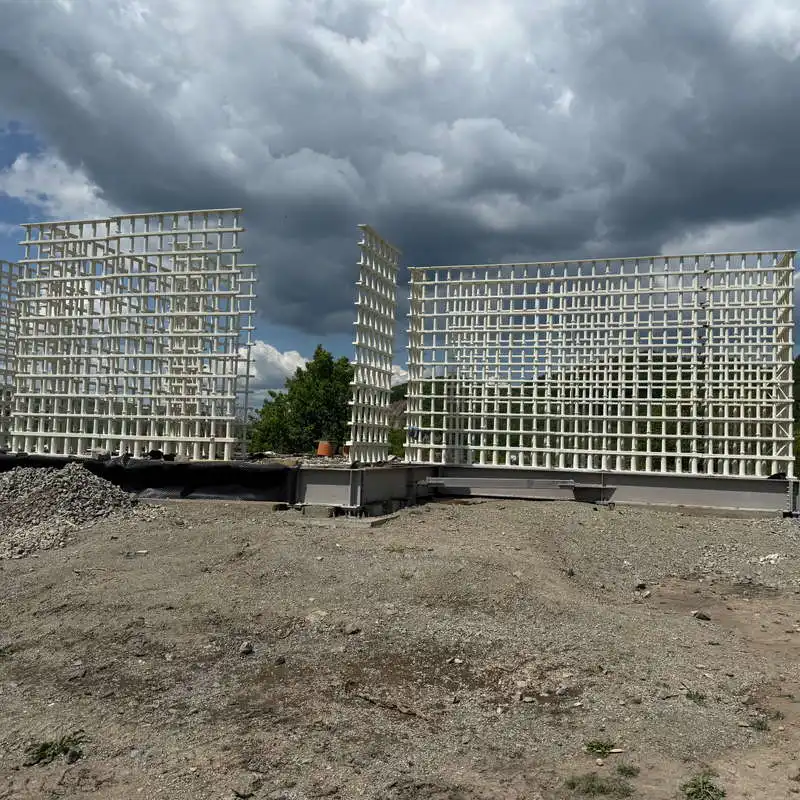
Today, the Resculum Roman Castrum is a popular destination for history and archaeology enthusiasts, completing the cultural heritage of the Bologa area and offering visitors a glimpse into Transylvania's ancient past. It is currently being renovated.

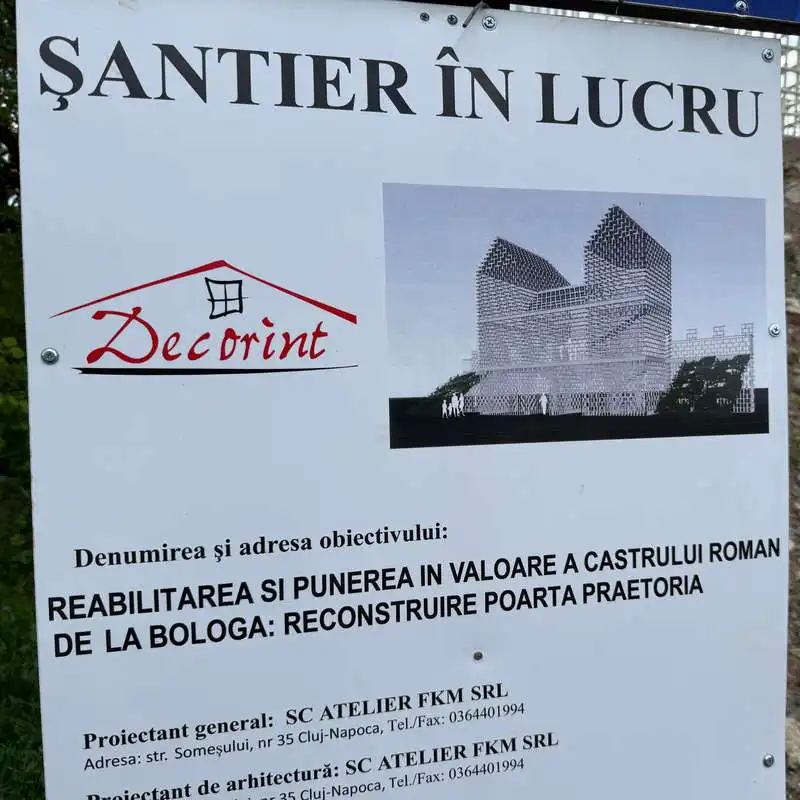
work is underway to renovate the Bologa Roman Castle

rehabilitation of the roman castle

rebuild Preatoria door

Conclusion

Bologna is a destination that harmoniously combines history, nature and the authentic traditions of the Apuseni Mountains. From the medieval fortress of Bologa and the Roman Resculum Castle, to the water mill and the spectacular landscapes of the Criș Repede Valley, the village offers varied experiences for all visitors. Whether you are passionate about history, hiking or simply looking for peace and quiet in an authentic natural setting, Bologa is a stop worth including in any tourist itinerary in western Transylvania.

All the best!

Steps:

en_USEnglish