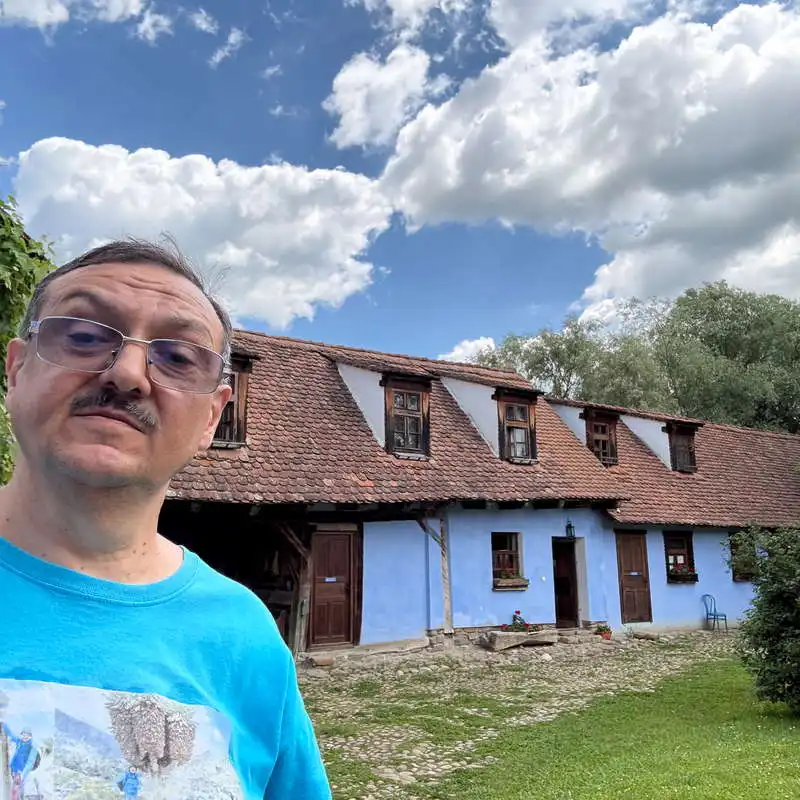
Viscri, Brașov Travel Guide

Discover the authentic charm of the village of Viscri

About Viscri

Viscri It is one of the best-known and best-preserved Saxon villages in Romania, located in Brașov County, in the heart of Transylvania. Renowned for its authenticity, the village retains the charm of rural life as it once was, with colorful traditional houses, quiet alleys, and spectacular natural landscapes.

The village has become a popular tourist destination thanks to its authentic atmosphere, well-preserved local traditions, and conservation projects that have helped protect its cultural heritage. Visitors can experience a peaceful way of life here, explore the surroundings on foot or by bike, and enjoy the hospitality typical of Transylvanian villages. Today, Viscri stands as a remarkable example of sustainable tourism and the promotion of Romania’s rural heritage, attracting tourists from around the world every year.

History of Viscri

The history of the village of Viscri begins in the 12th century, when the Székelys founded a settlement in this part of Transylvania. Later, in the 12th and 13th centuries, Saxon settlers brought by the kings of Hungary to defend and develop the region settled here, transforming the village into a prosperous community. The village’s name derives from the German term „Weißkirch,” meaning „White Church,” a reference to the old church built in the village. Starting in the 13th century, an impressive fortified church was built around it, designed to offer protection to the inhabitants during the invasions and conflicts that marked the Middle Ages.

Over the centuries, Viscri has remained an important center of the Saxon community in Transylvania. The residents have primarily engaged in agriculture, animal husbandry, and traditional crafts, preserving a way of life that has remained virtually unchanged until modern times. After a large portion of the Saxon population left in the 1990s, the village went through a difficult period. However, thanks to heritage restoration and conservation projects, Viscri has been revitalized and has become one of Romania’s most popular tourist destinations.

Today, the village is known throughout the world for its exceptional cultural heritage and for its fortified church, which is a UNESCO World Heritage Site and a symbol of Transylvania’s traditions and history.

Route map

(click on objectives for extended version)

1. The Rural Site of Viscri

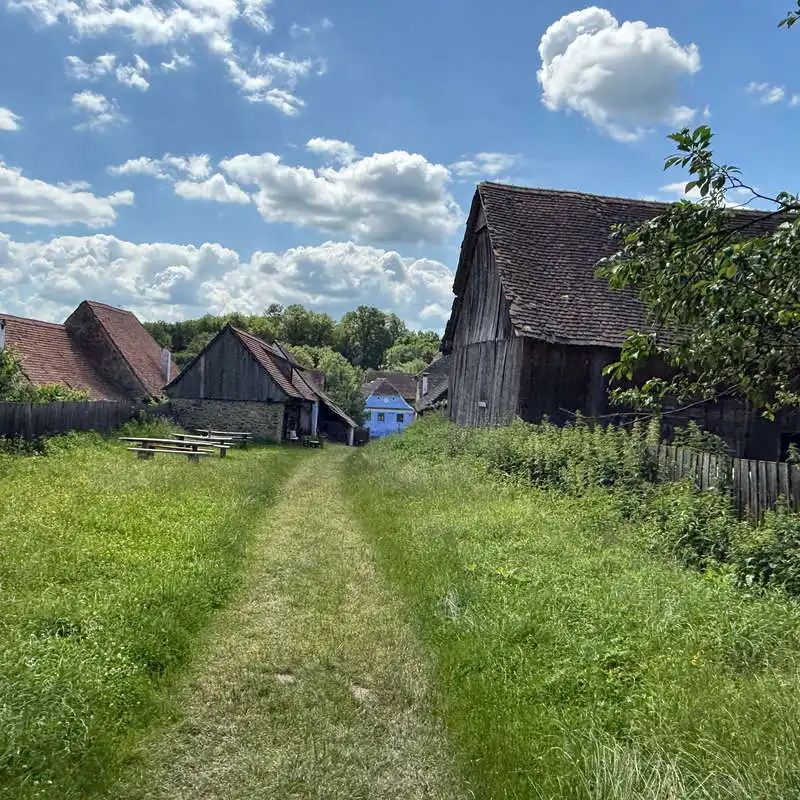
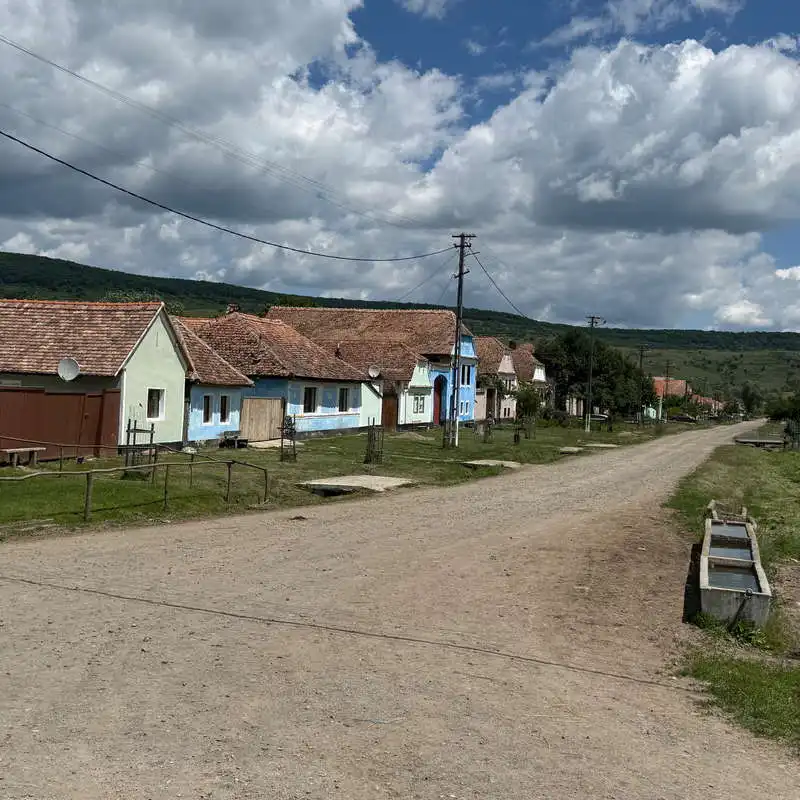
The rural village of Viscri is one of the most valuable examples of a traditional cultural landscape in Transylvania. Renowned for its remarkable authenticity, the village retains the distinctive layout of medieval Saxon settlements, with farmsteads lined up along the main street, massive gates, colorful houses, and spacious gardens.

What makes Viscri truly special is the harmony between its built heritage and the surrounding natural environment. The gentle hills, vast pastures, orchards, and country roads complete the picture of a village that has preserved its identity over the centuries. This unique combination has contributed to the inclusion of the rural site of Viscri on the UNESCO World Heritage List, alongside the village’s fortified church.

As you stroll through the village, you’ll discover traditional Saxon architecture, craft workshops, carefully restored farmhouses, and numerous examples of rural heritage preservation. Unlike many other modernized towns, Viscri offers visitors the chance to experience the authentic atmosphere of a Transylvanian village where traditions and the rural way of life are still very much alive.

Today, the rural village of Viscri is considered a model for cultural heritage preservation and sustainable tourism development, attracting thousands of Romanian and foreign tourists each year who are interested in history, architecture, and authentic experiences.

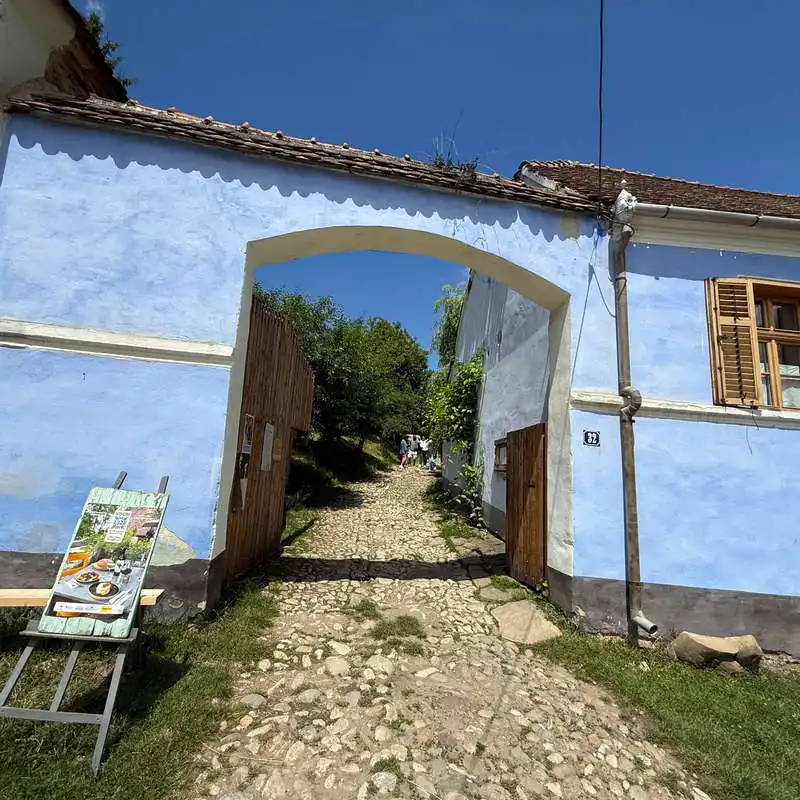
I appreciated that motor vehicles are prohibited on Main Street, with the exception of the county road section, and the presence of local restaurants, workshops, and cafes.
local food spot

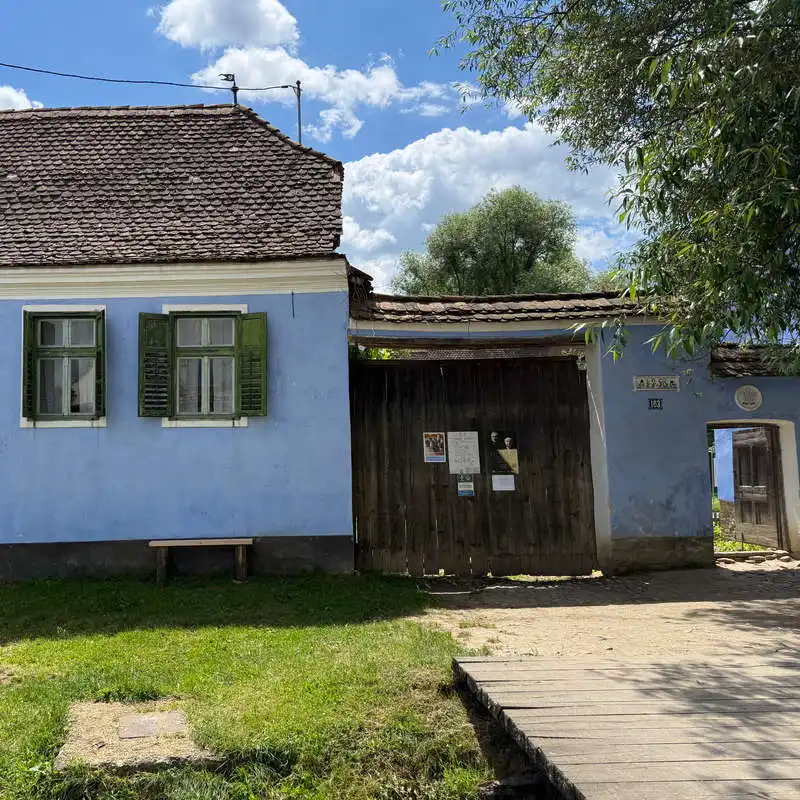
traditional houses in Viscri

The path to the main street goes through the yards

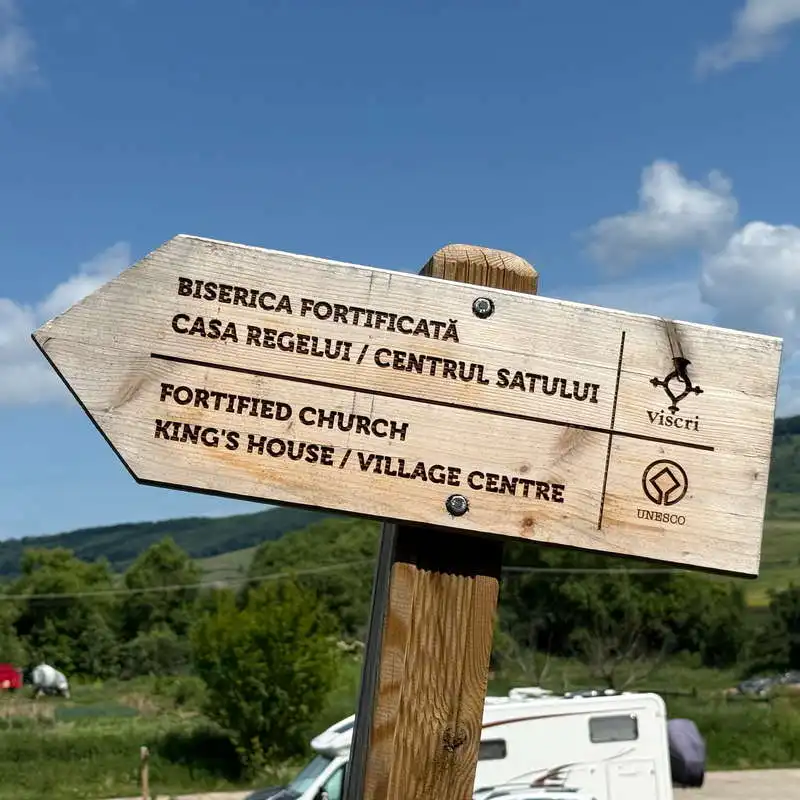
the sign next to the parking lot

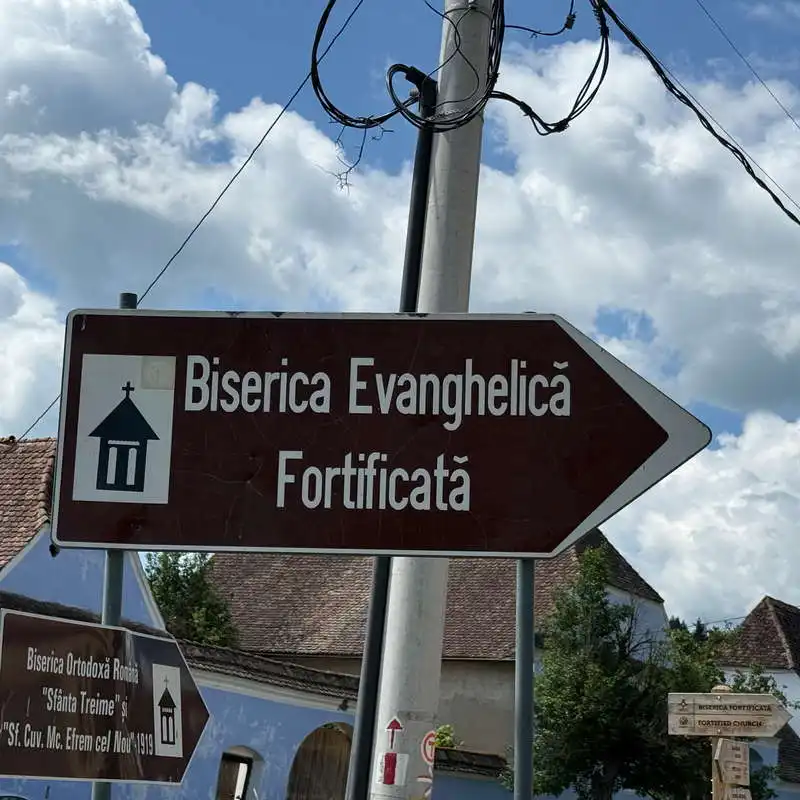
toward the fortified Evangelical church

2. The Fortified Evangelical Church

The fortified Evangelical church in Viscri is the village’s main tourist attraction and one of the most valuable medieval monuments in Transylvania. Originally built in the 13th century on the site of an old Romanesque basilica, the church was expanded and fortified by the Saxon community to provide protection for the locals during times of conflict and invasion.

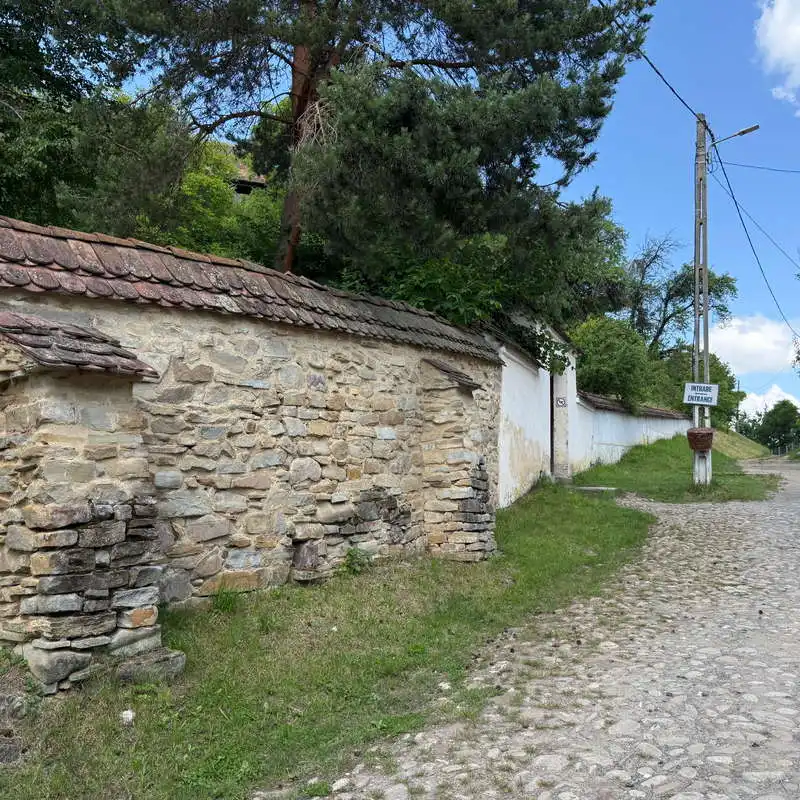
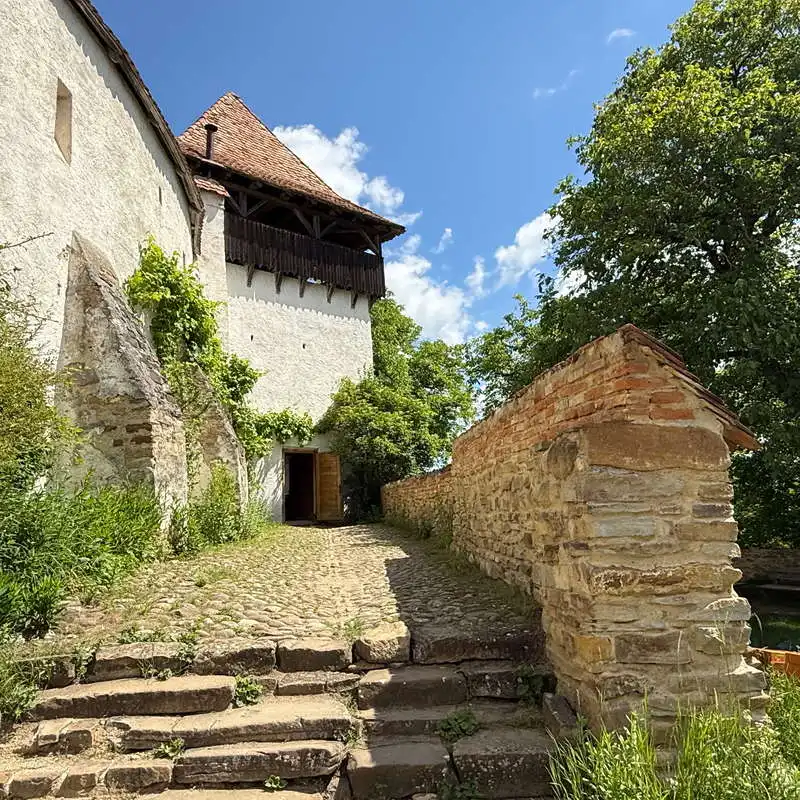
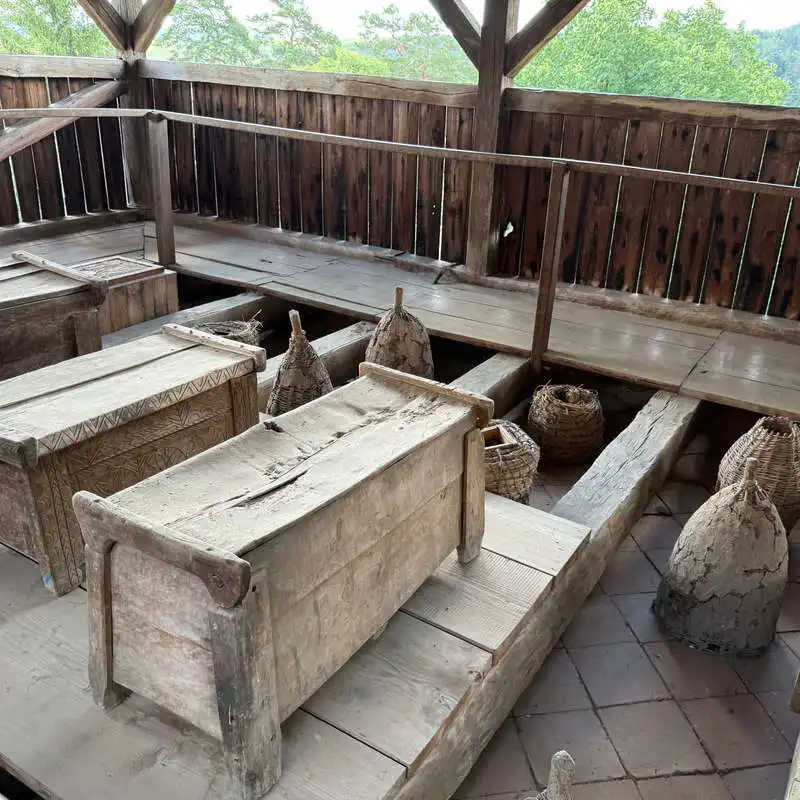
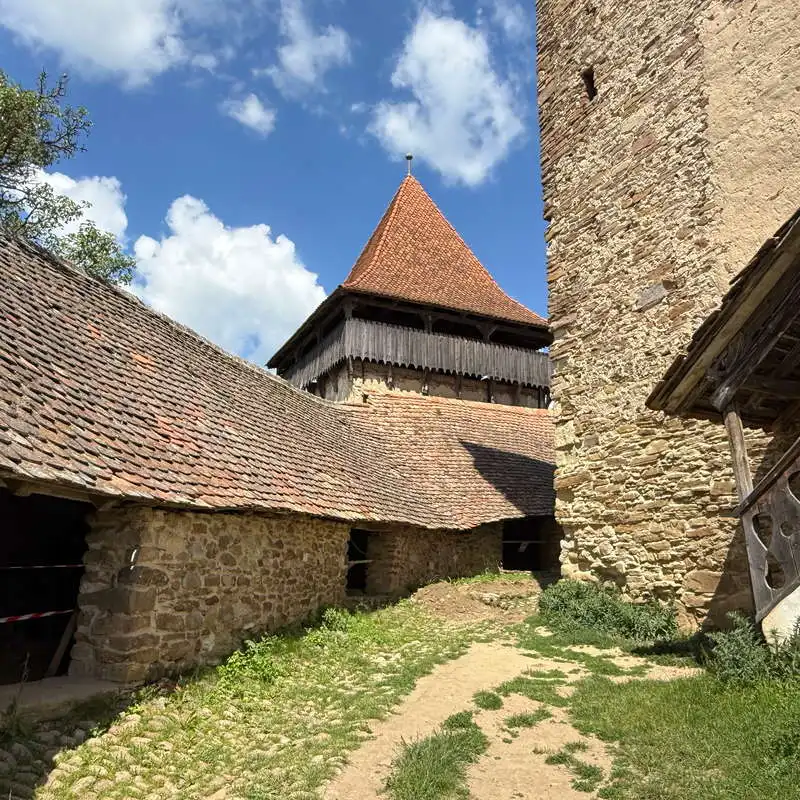
The complex is surrounded by sturdy defensive walls, towers, and bastions that were part of the village’s defense system. Inside the enclosure, the spaces once used to store supplies and shelter residents during sieges are still preserved.

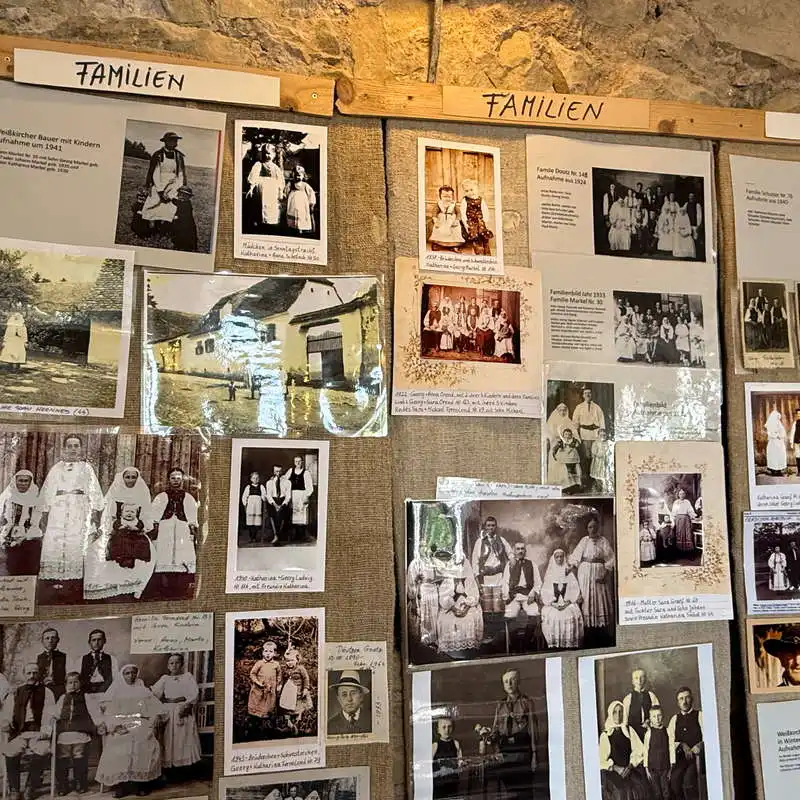
The church’s architecture blends Romanesque and Gothic elements, offering visitors a fascinating glimpse into Transylvania’s medieval history. Of particular interest are the altar, the traditional furnishings, and the museum exhibits that illustrate the life of the Saxon community in Viscri over the centuries.

Due to its exceptional historical and cultural significance, the fortified church in Viscri was inscribed on the UNESCO World Heritage List in 1999, along with other Saxon fortified churches in Transylvania. Today, the monument attracts thousands of tourists from around the world every year and serves as a symbol of local identity.

A visit to the church offers not only the chance to explore an important historical monument, but also the opportunity to admire a spectacular panoramic view of the village and the surrounding countryside from the walls of the fortification.

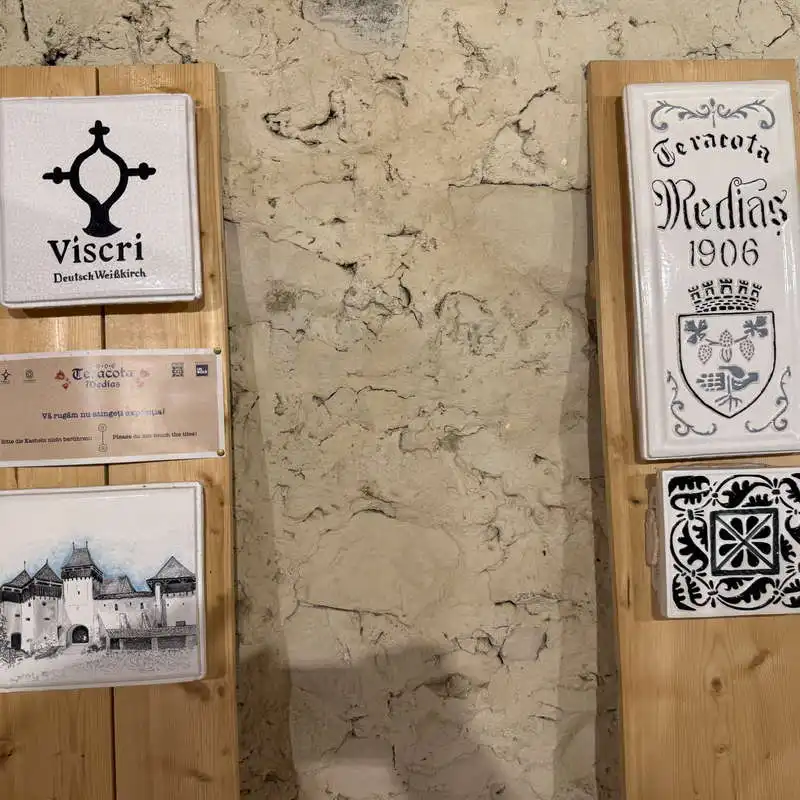
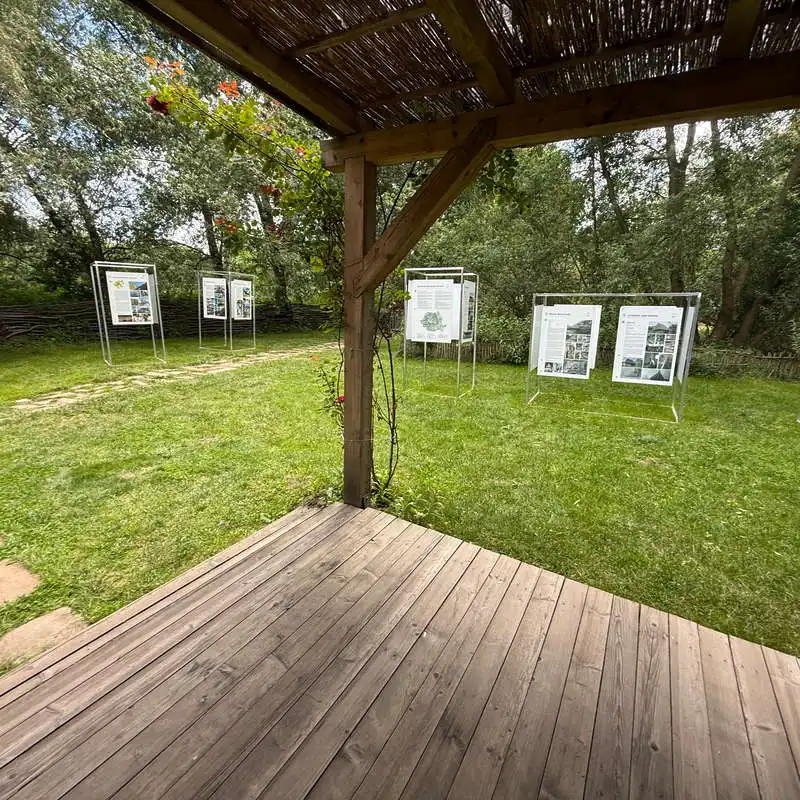
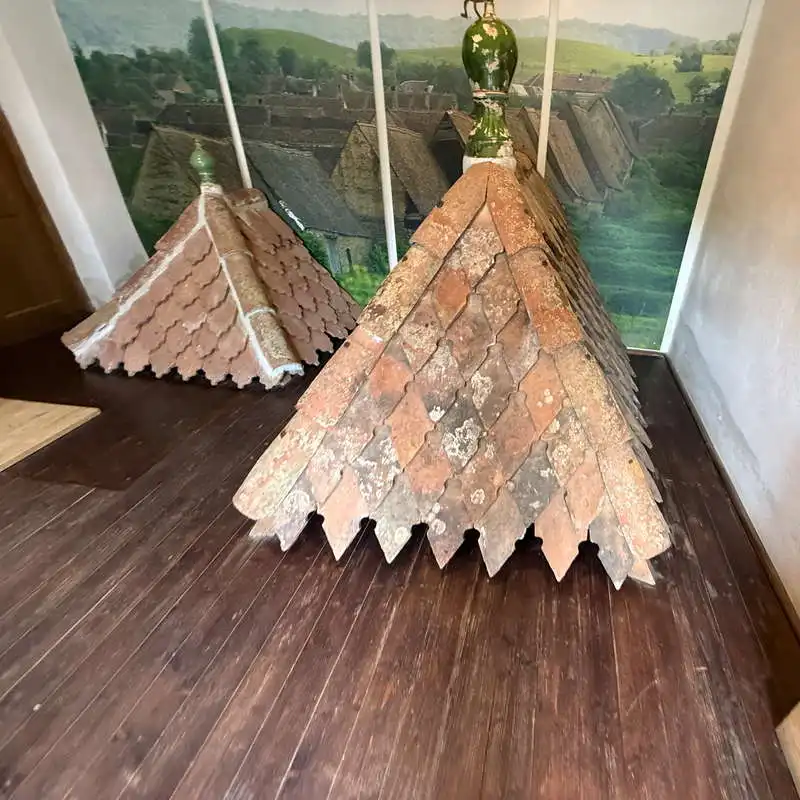
The fortification houses an exhibition of terracotta tiles and a museum collection.

this is the way in

museum collection

in the courtyard of the fortification

traditional wooden beehives and hives

the fortifications surrounding the church

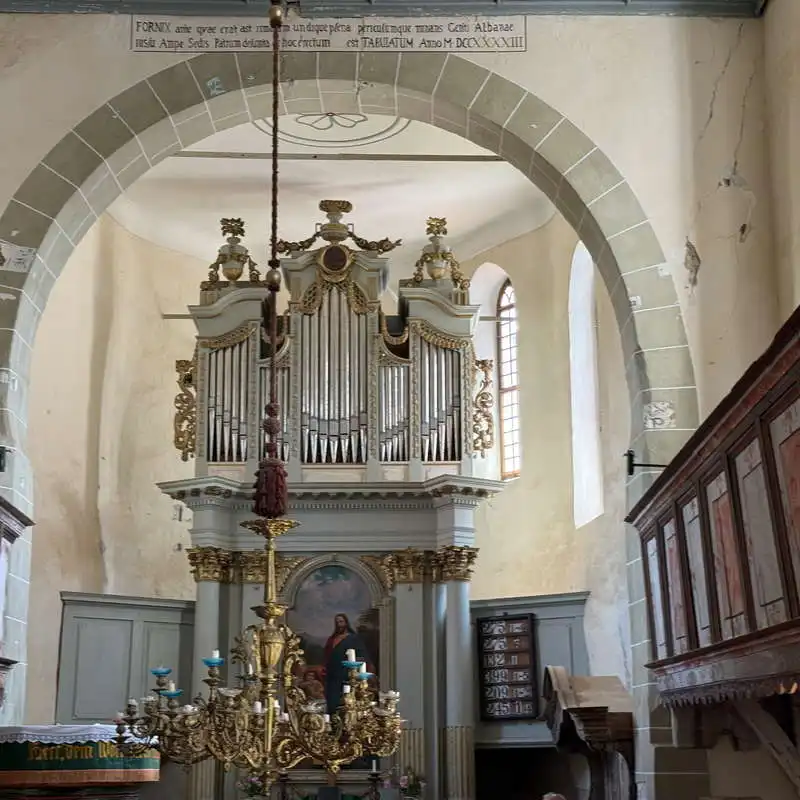
church organ

terracotta tile exhibition

3. Via Transilvanica and the brick kiln

Viscri is one of the towns along the Via Transilvanica, the famous hiking trail that stretches across Romania for over 1,400 kilometers. For nature and adventure lovers, the village is an ideal stopover, offering authentic rural landscapes, rolling hills, and numerous opportunities for walks, hikes, and exploring the surrounding area.

Along the route near the village, visitors can admire the carved milestones characteristic of the Via Transilvanica, each with a unique design inspired by local culture and traditions. These have become real attractions for tourists and photographers.

Another interesting site in Viscri is the old brick kiln, which serves as a reminder of the traditional crafts practiced by the local community. In the past, the bricks produced here were used in the construction and restoration of Saxon houses and historic buildings in the area. Today, the kiln stands as a testament to traditional construction techniques and the commitment to preserving local heritage.

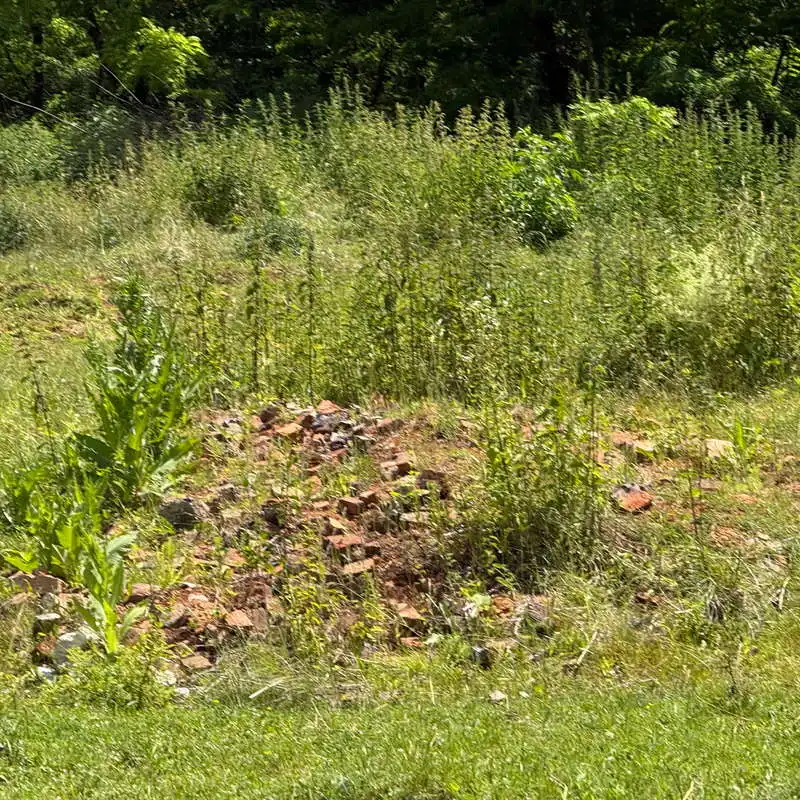
A visit to the brick kiln offers an interesting insight into how the materials used to build the village’s homes and monuments were produced. The kiln is in ruins. Together with the experience offered by Via Transilvanica, this site helps visitors discover the authenticity and rural history that make Viscri one of the most popular tourist destinations in Transylvania.

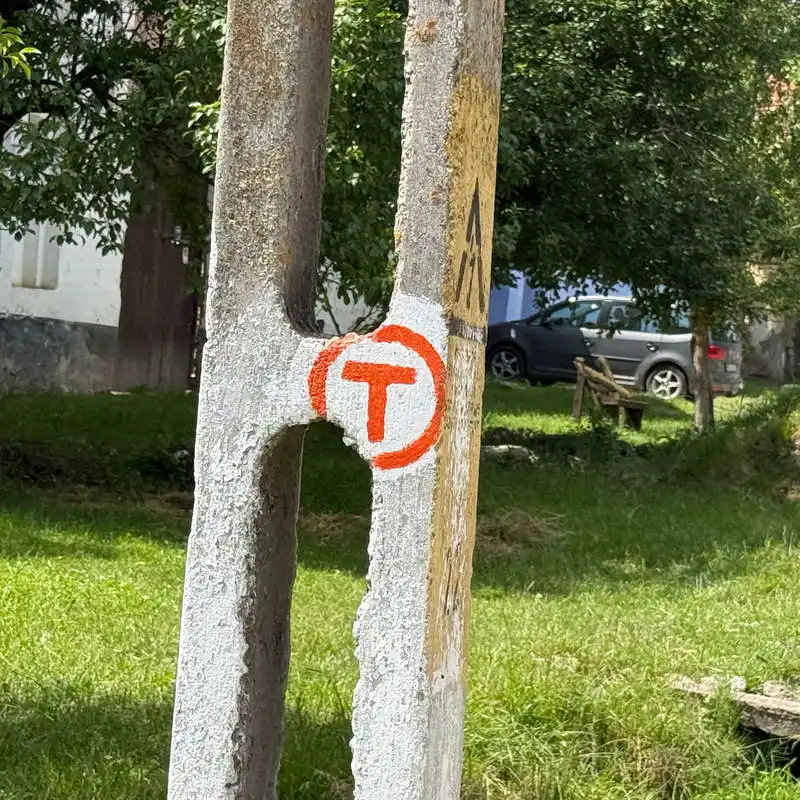
the Via Transilvanica trail marker

former brick kiln

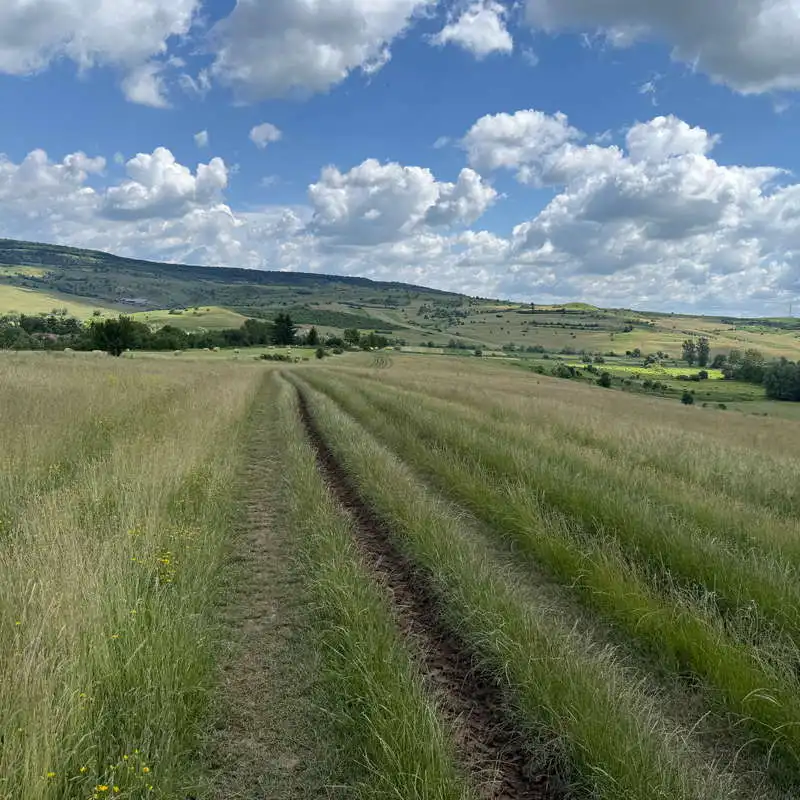
a walk in the fields

4. The House of King Charles III

One of the most famous attractions in Viscri is the traditional house owned by Charles III, who played a significant role in promoting the village internationally. Fascinated by the beauty of the Transylvanian landscapes and the authenticity of the Saxon villages, he first visited the region in the 1990s and became an active advocate for the preservation of Transylvania’s rural heritage.

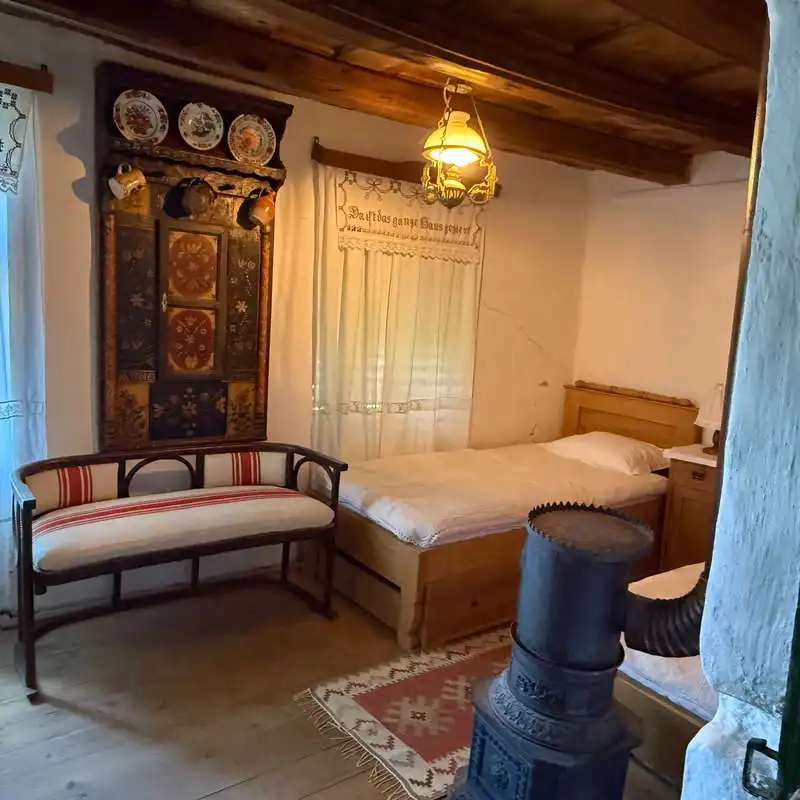
The residence, a traditional Saxon house restored with respect for its original architecture, preserves the elements characteristic of local homes: authentic furniture, handicrafts, and traditional building materials. The restoration was carried out with the aim of demonstrating that historical heritage can be protected and promoted without altering its authentic character.

Today, the house is open to tourists and houses a small exhibition dedicated to local traditions, crafts, and the village’s history. Visitors can explore interiors furnished in traditional style and learn more about the conservation projects that have helped revitalize the community.

King Charles III’s interest in Viscri has attracted the attention of the international press and turned the village into a model of success in the fields of sustainable tourism and cultural heritage preservation. For many tourists, visiting this house offers an opportunity to better understand the connection between Transylvanian rural heritage and modern conservation efforts.

The House of King Charles III

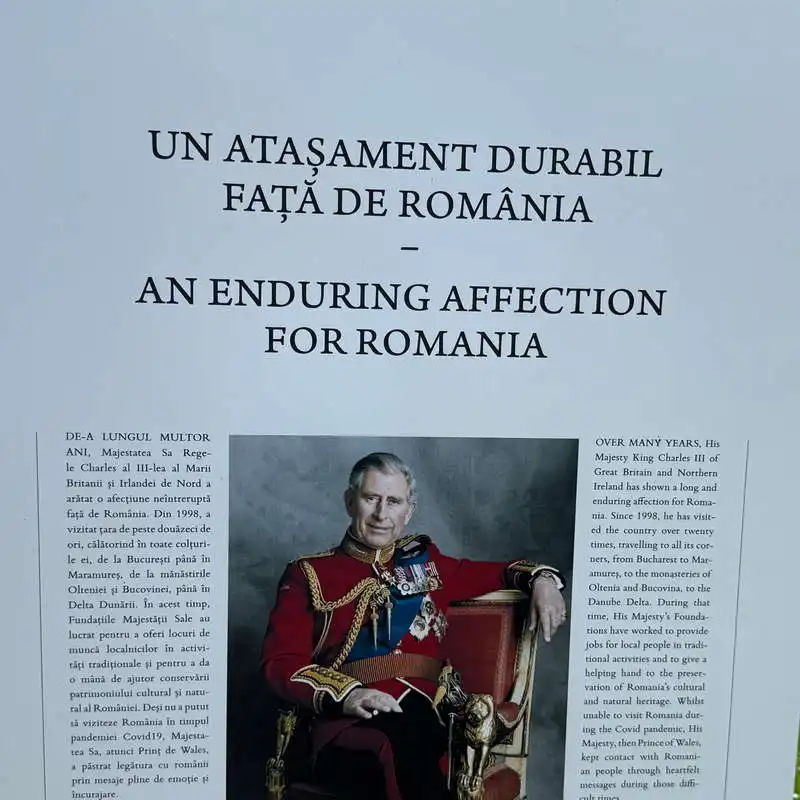
About King Charles III

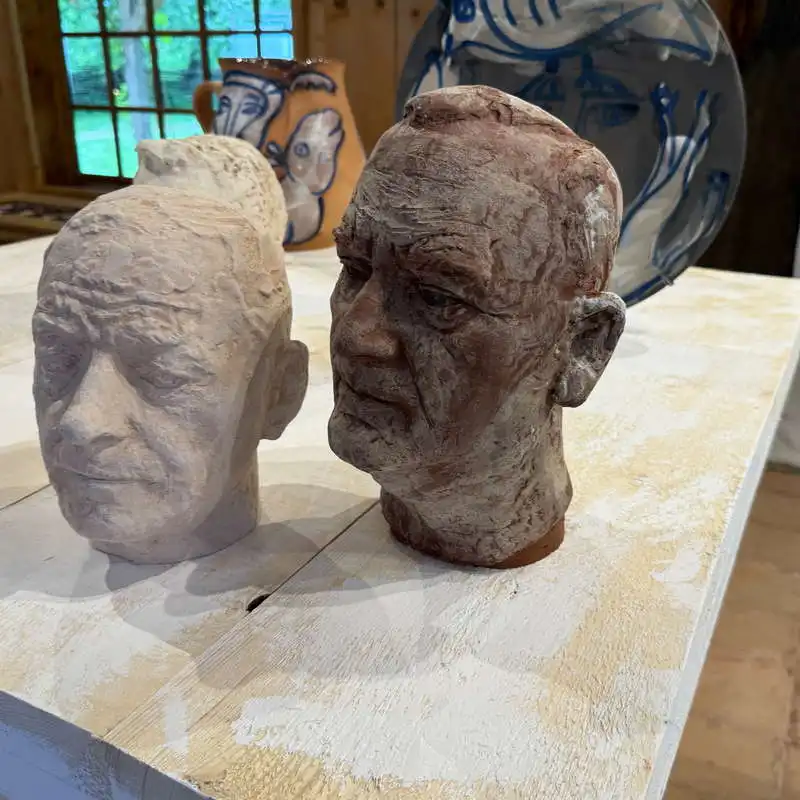
plaster and terracotta sculptures

backyard

tile exhibition

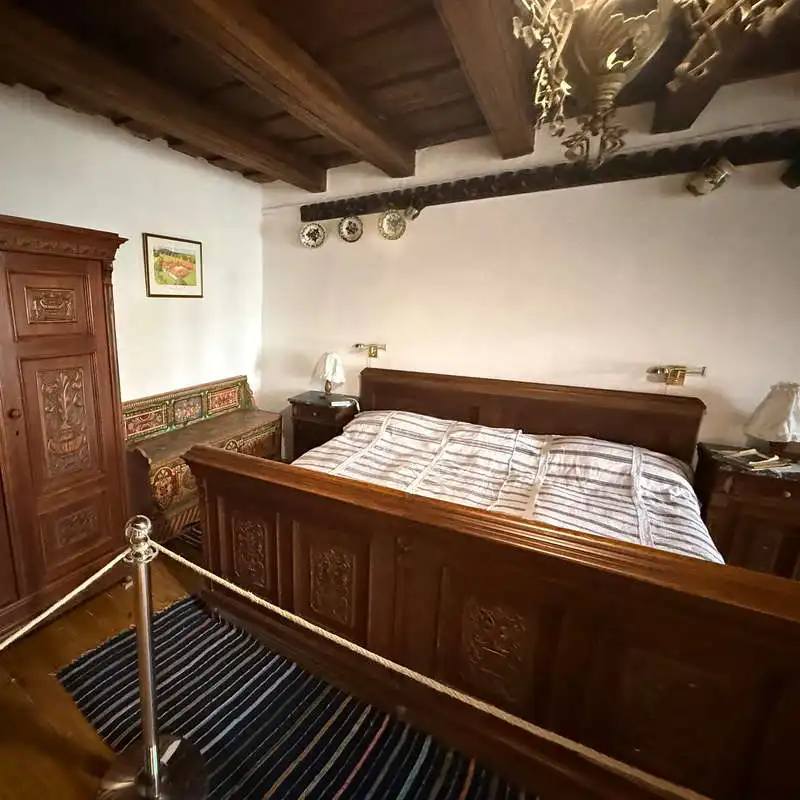
King Charles III's bedroom

the king's apartment

Conclusion

Viscri It is one of the most authentic destinations in Transylvania, where history, traditions, and nature blend harmoniously. From the fortified church listed as a UNESCO World Heritage Site to the peaceful atmosphere of the Saxon village, every experience offers a glimpse into Romania’s rural charm. If you find yourself in Brașov County, Viscri is a place worth exploring.

All the best!


Steps:

en_USEnglish