Tourist Mini-Guide: Gherla (Cluj County) and Surroundings

Gherla and surroundings, in brief

About Gherla

Gherla It is a town in the northeast of Cluj County, located on the Someșul Mic valley, about 45 km from Cluj-Napoca. It has approximately 20,000 inhabitants and an area of almost 24 km².

The city is notable for its multicultural history, strongly influenced by the Armenian community. The population is predominantly Romanian, alongside Hungarian and Roma minorities. Religiously, Orthodox Christians are the majority, but Roman Catholic, Reformed, and Armenian Catholic communities are also present.

Gherla offers a peaceful atmosphere and valuable architectural heritage, making it an ideal destination for a short getaway in Transylvania.

Gherla History

Gherla It has its origins near the Roman camp of Samum, but the current city developed in the 18th century with the settlement of Armenians under Habsburg administration.

Known as Armenopolis, Gherla became an important commercial center, noted for its Baroque architecture and buildings erected by the Armenian community. Over time, the city evolved administratively and industrially, preserving part of its historical and multicultural heritage to this day.

Route map

(click on objectives for extended version)

Nicula Monastery

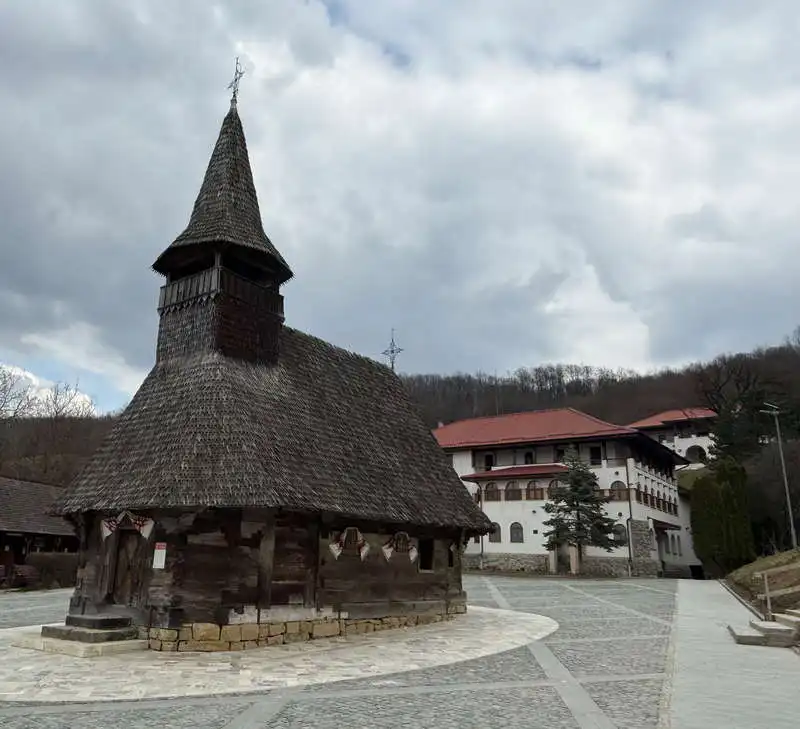
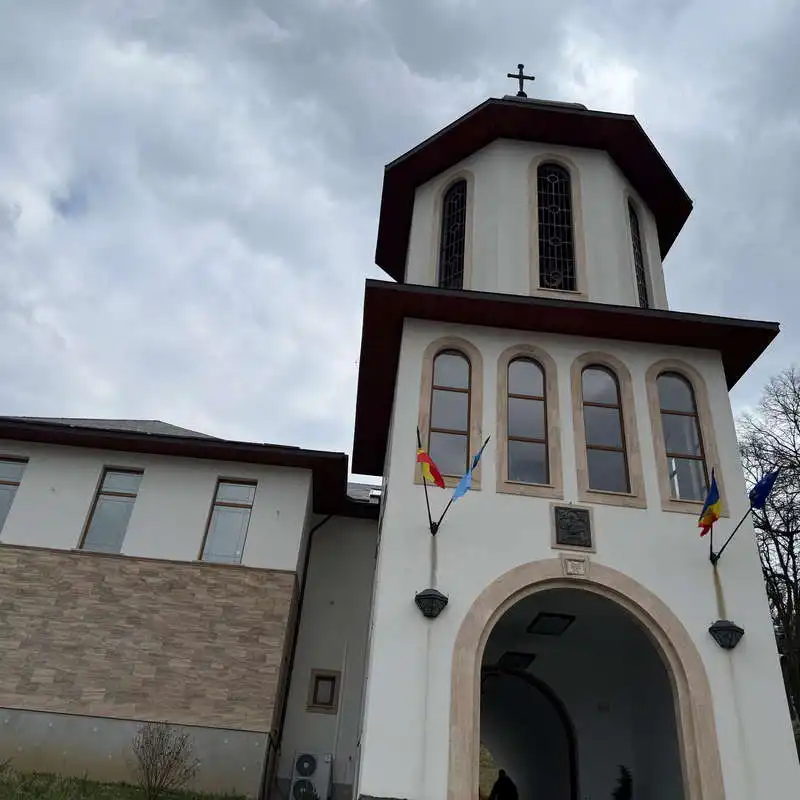
Nicula Monastery this is one of the most important pilgrimage sites in Transylvania, located about 6 km from Gherla. The monastery is renowned for its wonderworking icon of the Virgin Mary, which is said to have shed tears in the year 1699.

The monastic settlement has a history of over three centuries and attracts thousands of believers annually, especially on the occasion of the Dormition of the Theotokos feast day (August 15), when one of the largest pilgrimages in the country takes place.

Besides its spiritual importance, Nicula is also known for its tradition of painted icons on glass, specific to the area. The peaceful atmosphere and natural setting make this place an essential stop for any visitor to the Gherla area.
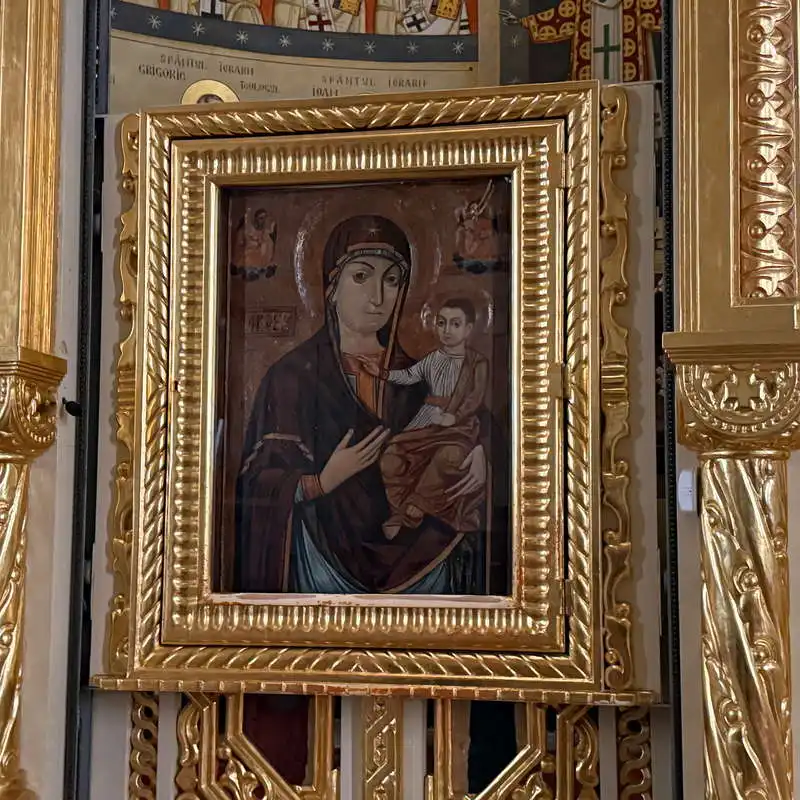
miracle-working icon

new monastery church

The wooden church of Nicula

Nicula Monastery

2. The Gherla Memorial

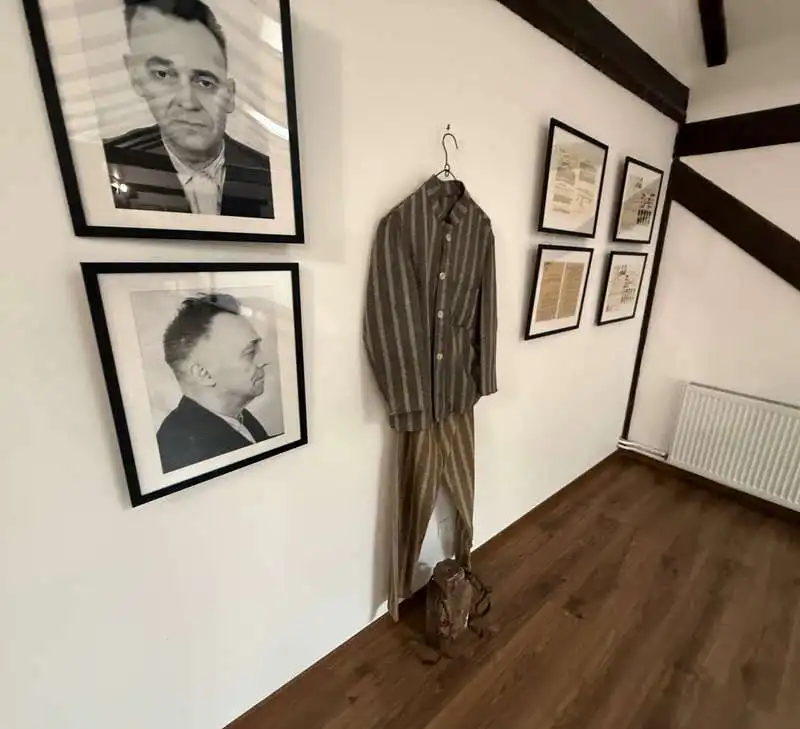
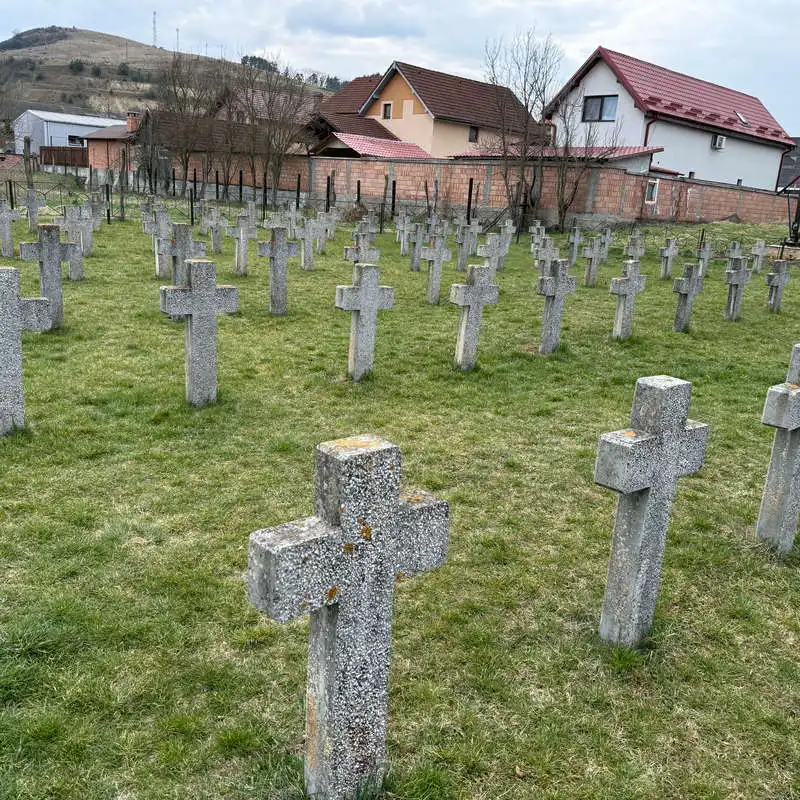
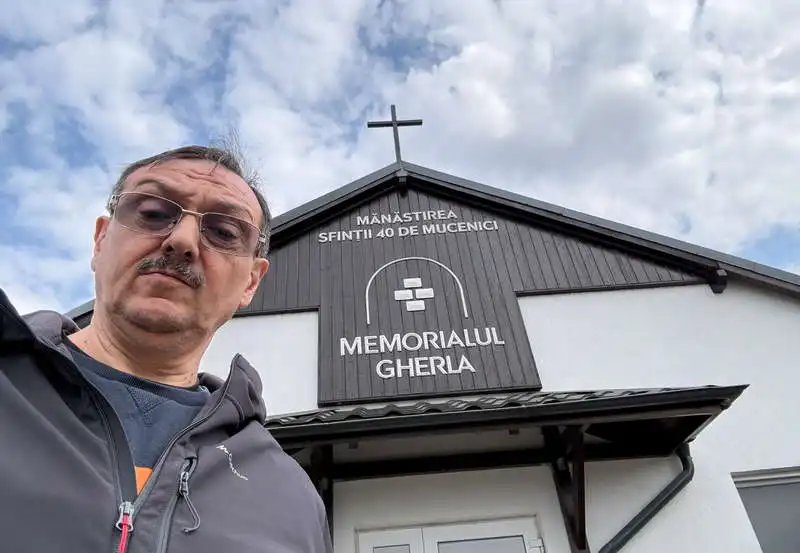
Gherla Penitentiary is one of the most well-known places associated with communist repression in Romania. During the communist regime, numerous political prisoners were jailed here, and the penitentiary became a symbol of suffering and anti-communist resistance.

Today, the space is associated with the memory of the victims and with efforts to document the abuses of that period, often being called the „Gherla Memorial”. Visiting this place is highly emotional and offers an important perspective on Romania's recent history.

This is a relevant stop for those interested in history and collective memory, completing the complex image of Gherla.

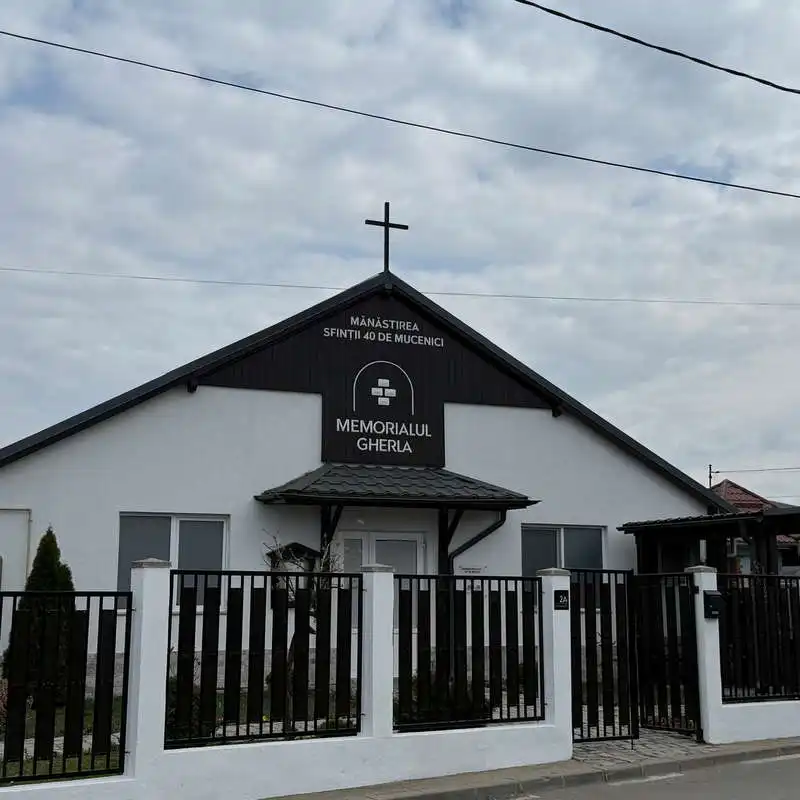
Gherla Memorial

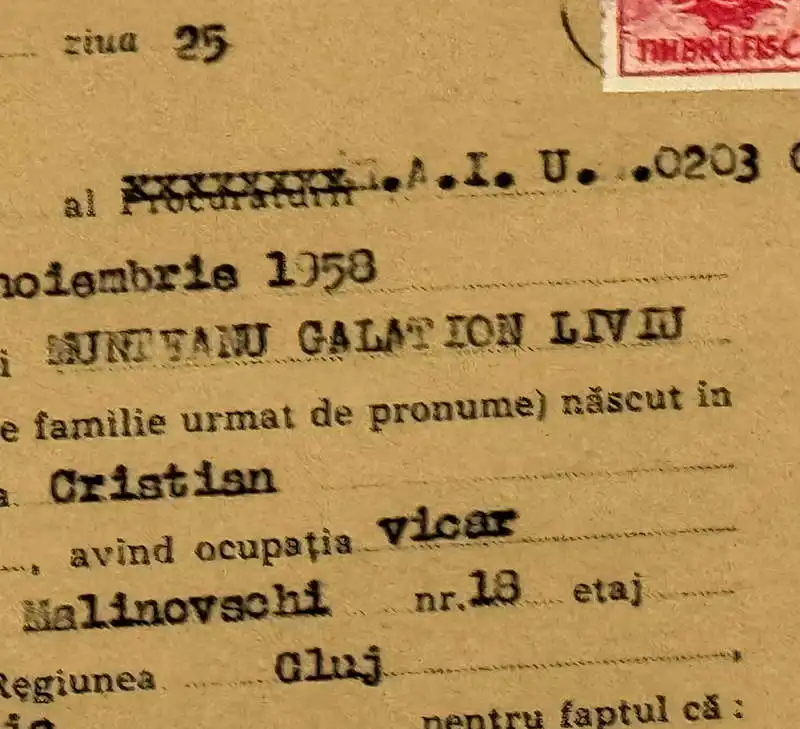
political prisoner's record

Gherla Memorial Museum

cemetery of political prisoners

3. Gherla Orthodox Cathedral

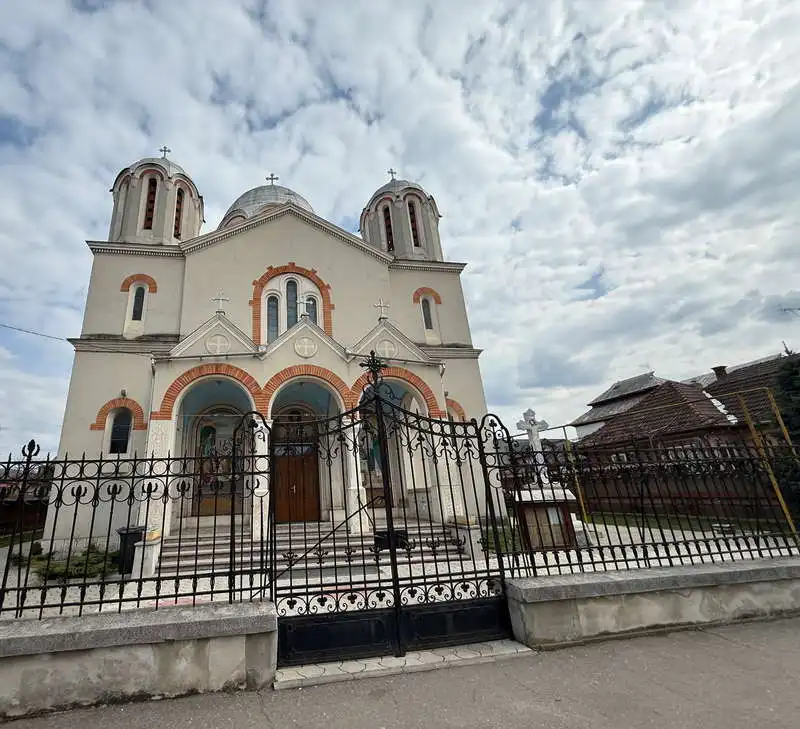
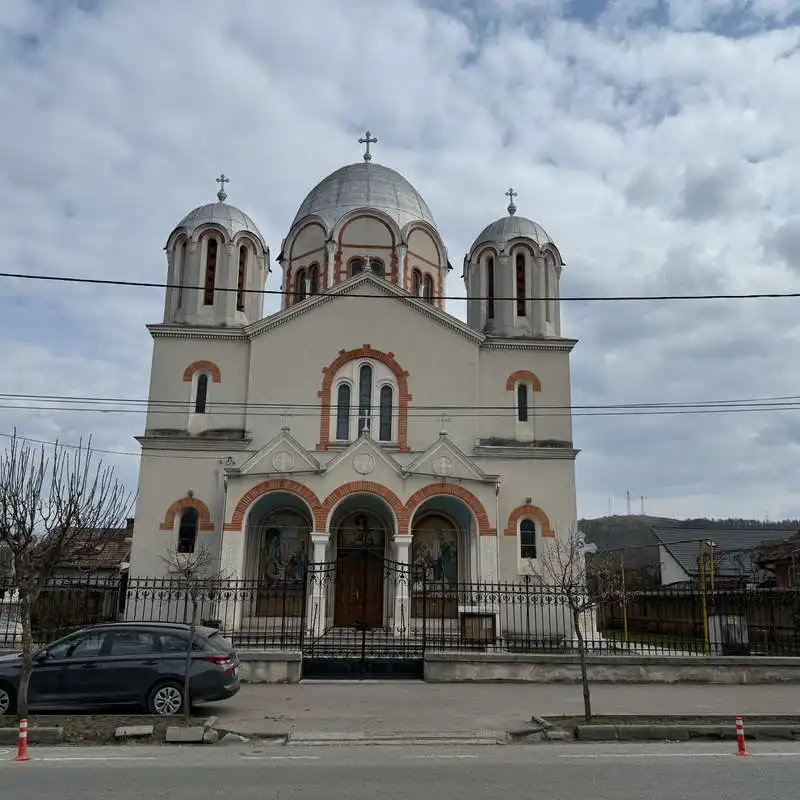
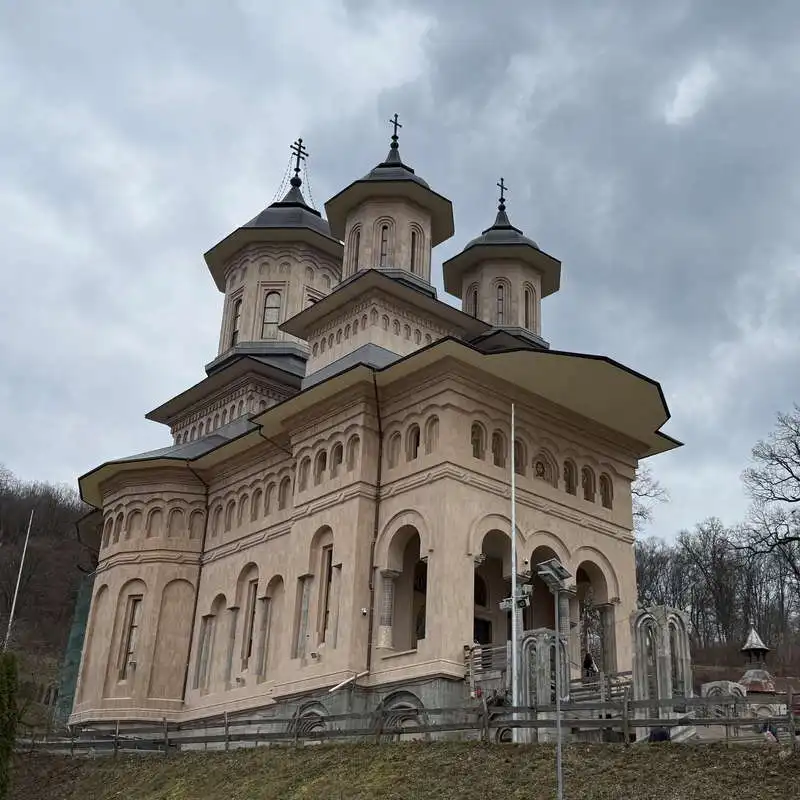
Orthodox Cathedral The Gherla Cathedral is one of the most important places of worship in the city of Gherla, representative of the local Orthodox community. Built in the 20th century, the cathedral impresses with its dimensions, the architecture specific to the Byzantine style, and the rich interior painting.

The building reflects the city's majority religious identity and plays an important role in the spiritual life of the community, hosting major religious holidays and events.

Located in a central area, the cathedral is easily accessible and worth including in a walk through Gherla, offering visitors an authentic glimpse of local traditions.

Orthodox Cathedral

The Orthodox Cathedral in Gherla

4. Armenian Catholic Cathedral of Gherla

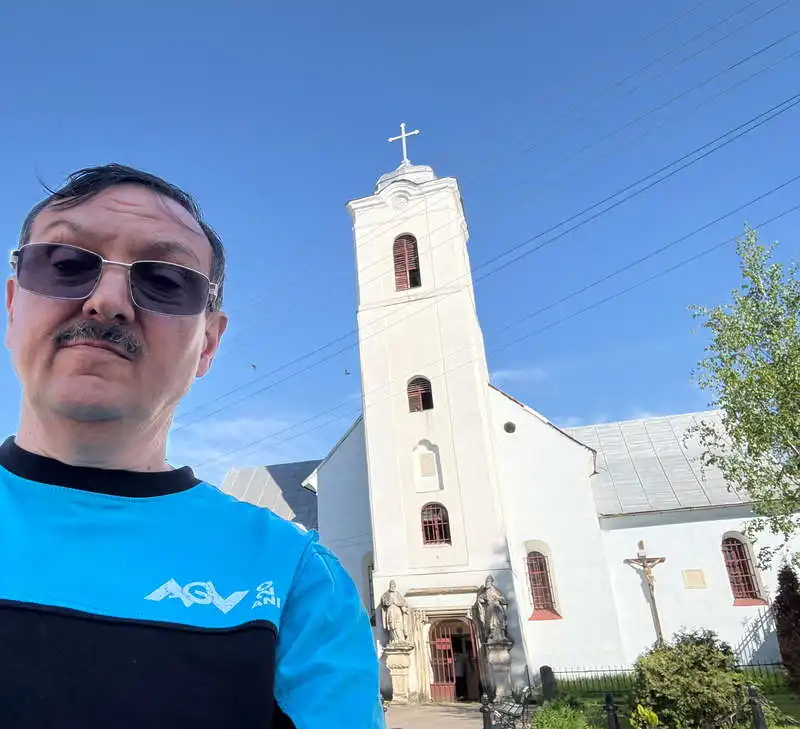
Armenian-Catholic Cathedral The Armenian Cathedral in Gherla is one of the most valuable Baroque monuments in Transylvania and a symbol of the Armenian community in Gherla. Built in the 18th century, during the period when the city was known as Armenopolis, the cathedral impresses with its elegance and refined architectural details.

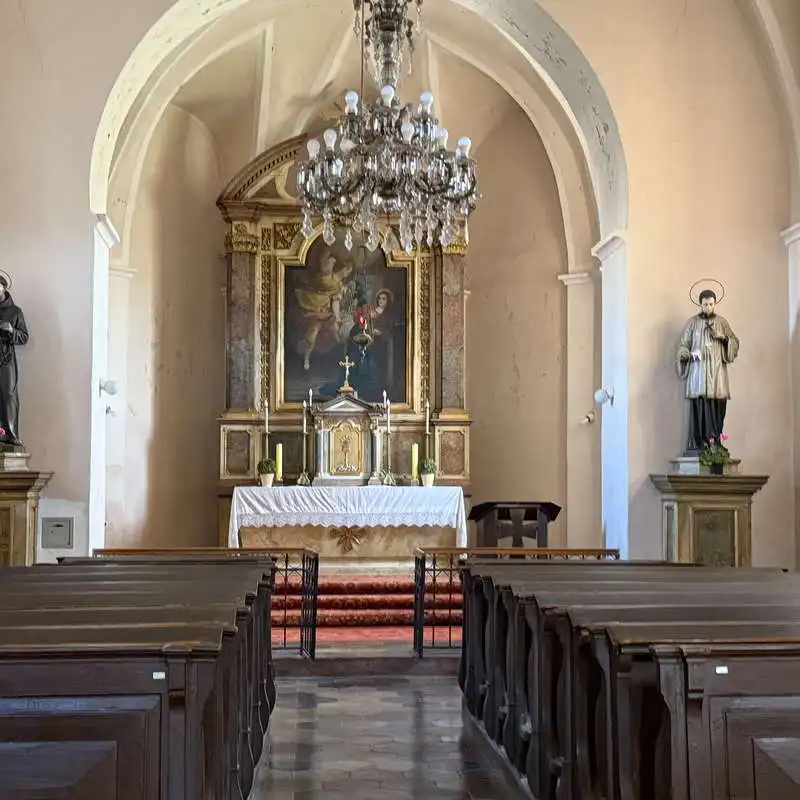
The interior houses exceptional artistic elements, including richly ornamented paintings and altars, reflecting Central European influences and Armenian tradition. The place of worship played an essential role in the spiritual and cultural life of the Armenian community, which decisively contributed to the city's development.

Today, the cathedral is a major tourist attraction, offering a glimpse into the multicultural history and unique heritage of Gherla.

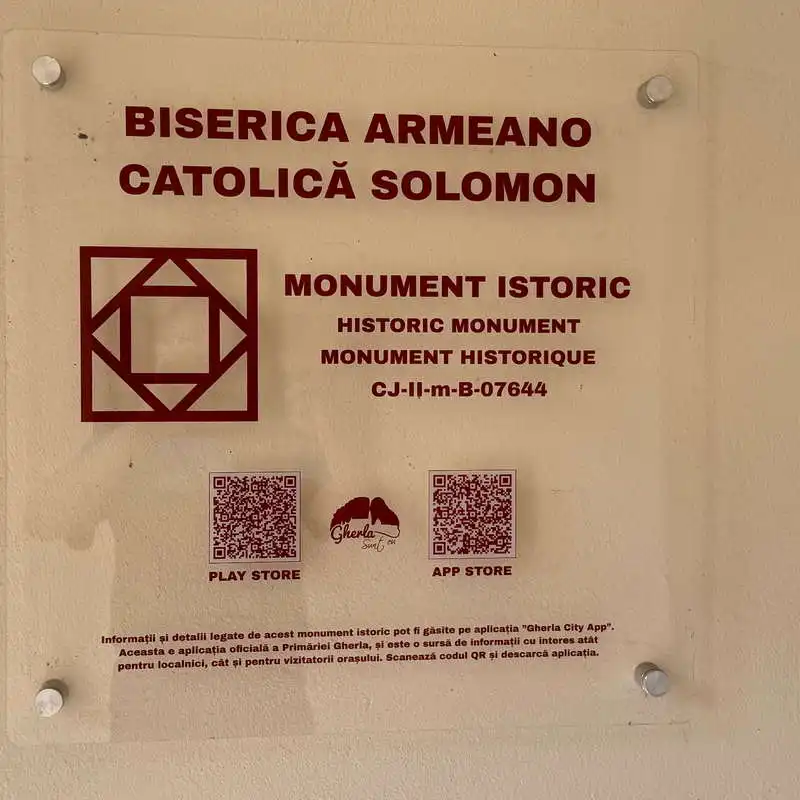
Armenian Catholic Church Solomon

at the Armenian Catholic Church

inside view

Lake of the Pikes

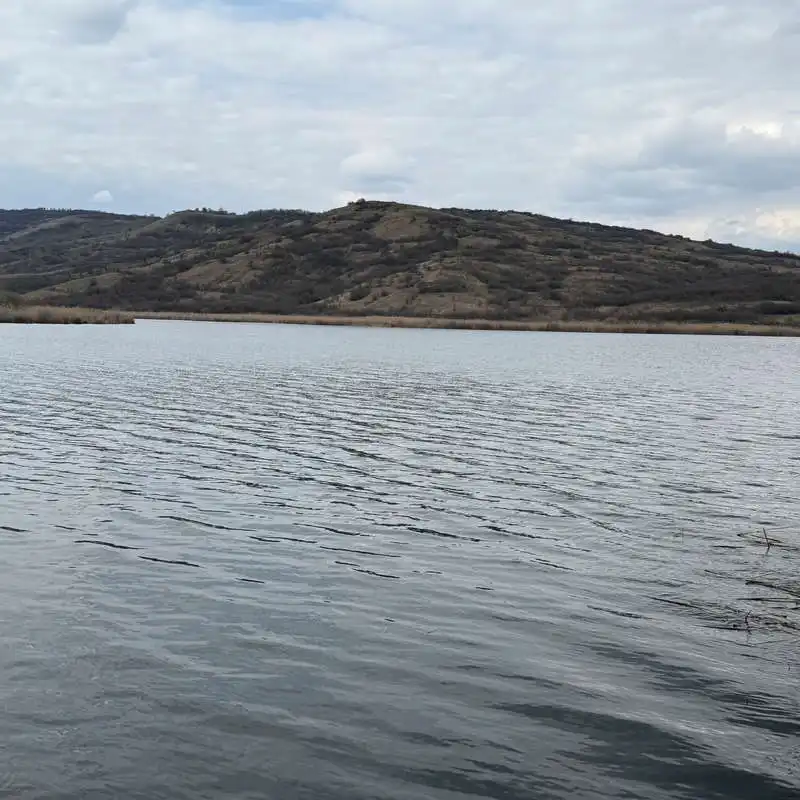
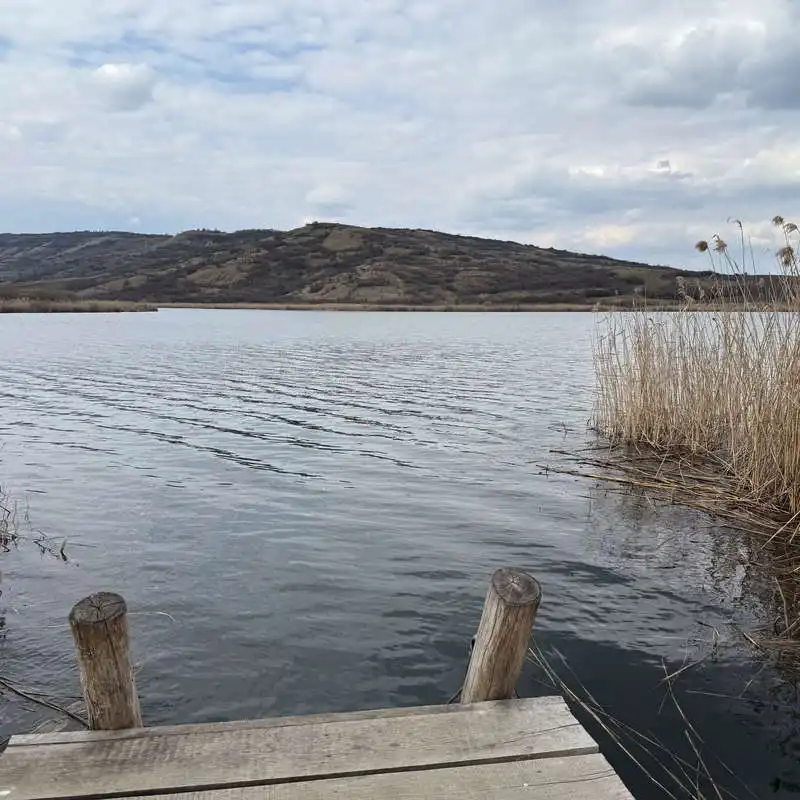
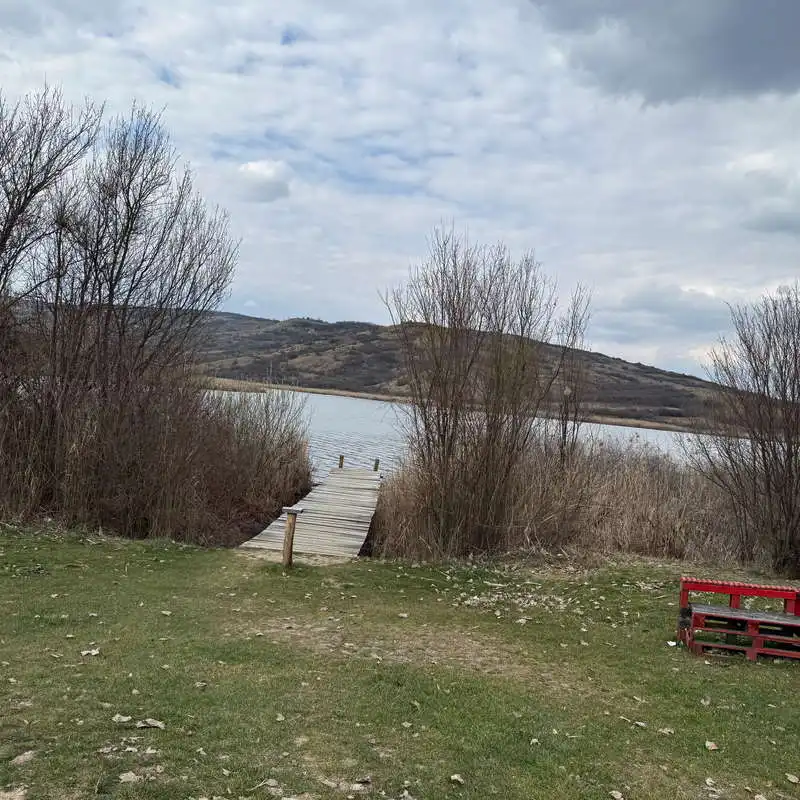
Lake of the Pike It is a nature reserve located about 25 km from Gherla, near the village of Sic. It is one of the few natural lowland lakes in Transylvania and is remarkable for its rich biodiversity.

The area is a habitat for numerous bird species, making it an ideal spot for birdwatching and nature photography. The tranquil landscape, with reeds and shimmering water, provides a perfect setting for relaxation and outdoor walks.

The lake is a suitable destination for nature lovers who want a getaway near Gherla, away from the urban hustle.

Lake of the Pike

the lake seen from the pier

at Lake Știucilor

Conclusion

Gherla and its surroundings offer history, culture, and nature in a unique mix. From cathedrals and monasteries to lakes and tranquil landscapes, every place tells a story.

Visit Gherla and discover authentic traditions, multicultural heritage, and a relaxing getaway in the heart of Transylvania. All the best!

Steps:

en_USEnglish