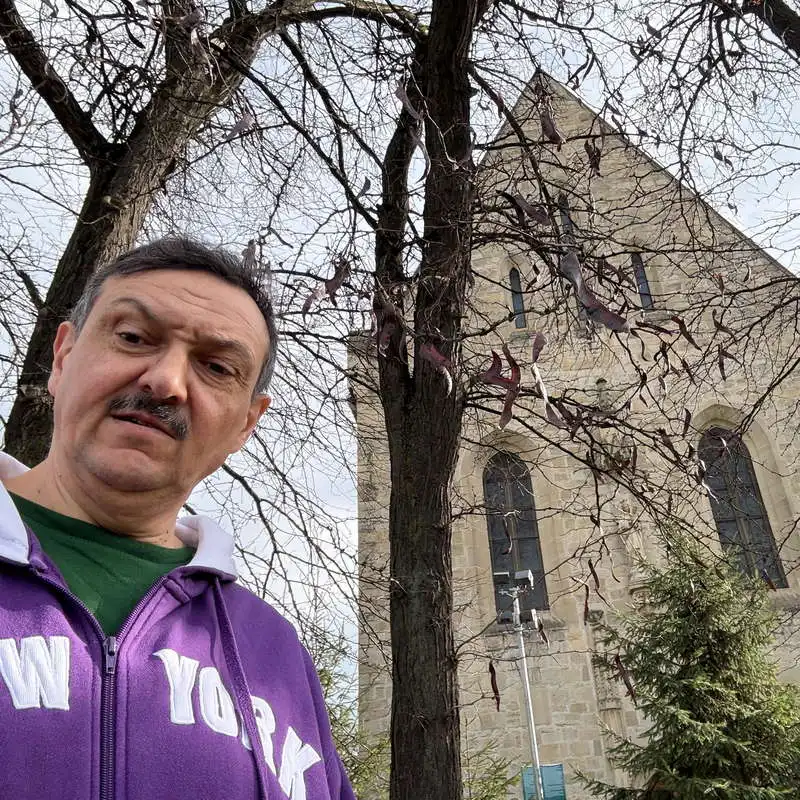
Calvaria Roman Catholic Church, Cluj-Napoca, Cluj

A Roman Catholic church with a history spanning nearly 1,000 years

Where, when, how much?

Calvaria Roman Catholic Church is located in the Mănăștur neighborhood of Cluj-Napoca, on Mănăștur Gardens Alley, in a quiet area, built on the site of a former medieval Benedictine abbey. It is easily accessible by both public transportation and car, and there are parking spaces nearby.

The place of worship is generally open to visitors Tuesday through Sunday, within the ranges 10:00 a.m.–12:00 p.m. and 4:00 p.m.–6:00 p.m., and it is closed on Mondays. Since the schedule may change depending on services, religious holidays, or other events, it is recommended that you check availability before your visit.

Access to the church is free, as there is no admission fee to visit the monument.

About the Calvaria Roman Catholic Church

Calvaria Roman Catholic Church It is one of the oldest and most valuable historical monuments in Cluj-Napoca, located in the Mănăștur neighborhood, on the site of the former medieval Benedictine abbey. The complex is of particular importance from both a religious and historical perspective, as it marks the site of one of the most influential ecclesiastical institutions in medieval Transylvania.

Archaeological research has shown that the hill on which the church stands was fortified as early as the 9th century. In the 11th century, the Benedictine Abbey of Cluj-Mănăștur was founded here, under the direct authority of the Archdiocese of Esztergom. The abbey’s old church, dedicated to Saint Mary, is considered the oldest church in the area of present-day Cluj-Napoca. The Tatar invasion of 1241 destroyed much of the complex, and over the centuries it has undergone numerous transformations and reconstructions.

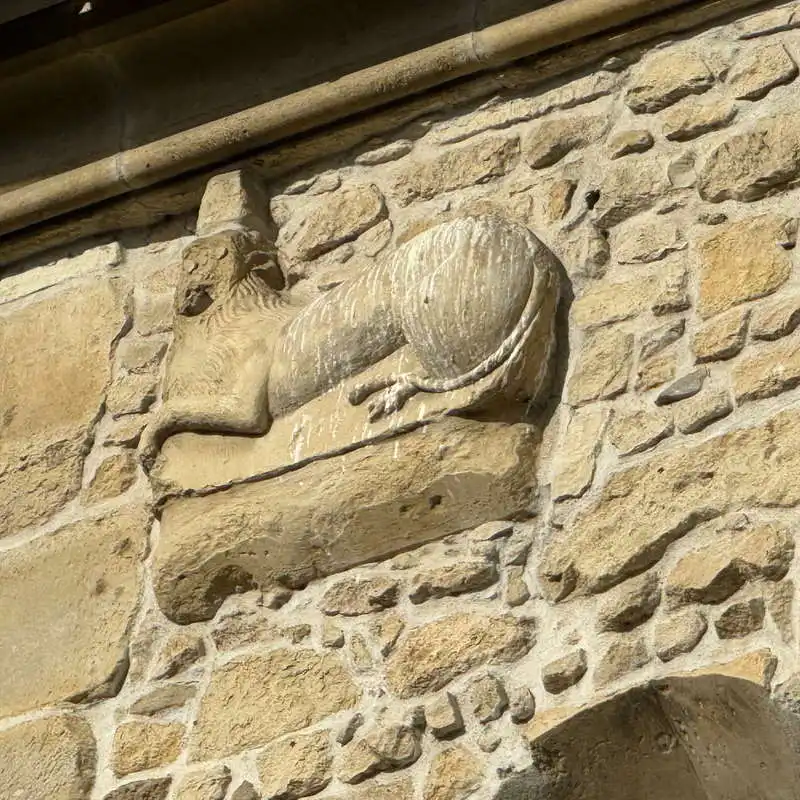
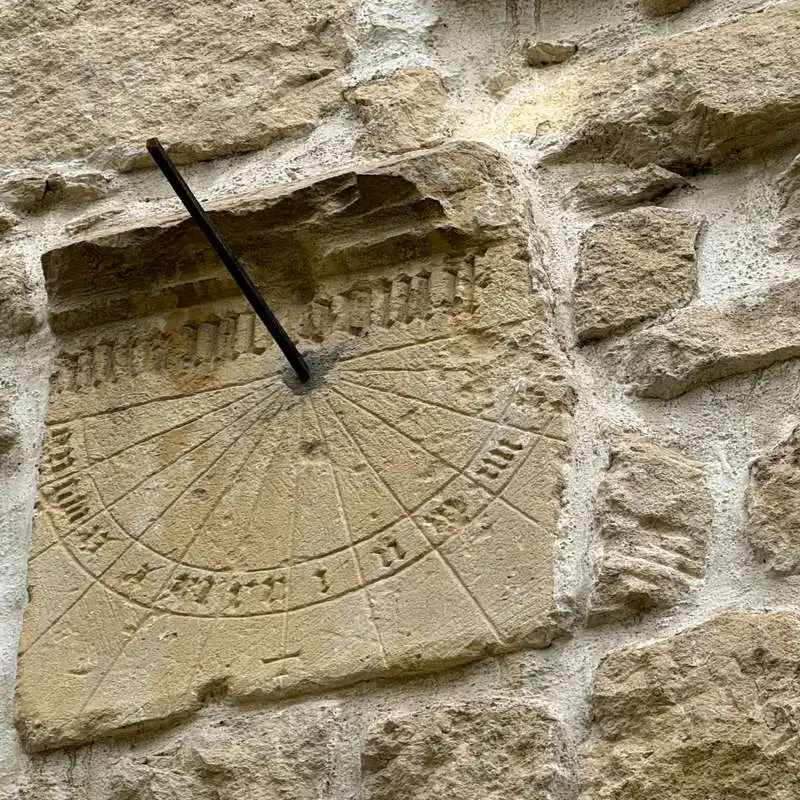
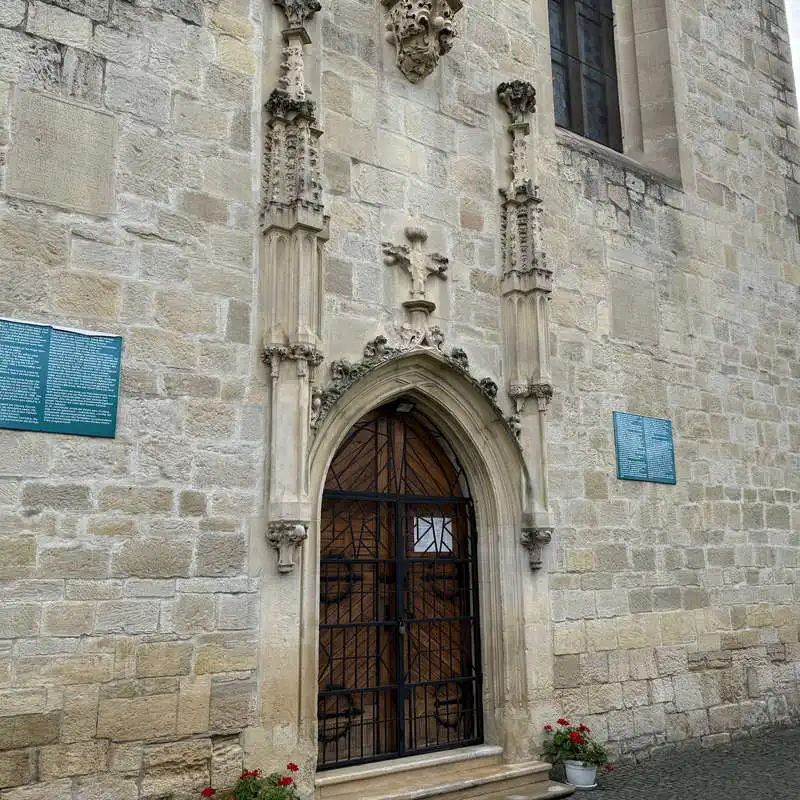
The building we admire today was rebuilt at the end of the 19th century, though it retains valuable elements from earlier periods. These include the church’s old gate, a sundial inscribed with the name of Abbot Anton, and the famous bas-relief of the medieval lion embedded in the southeast wall, considered one of the few surviving elements of the abbey destroyed in the Middle Ages. Around the church, one can also see funerary monuments dating from the 16th to the 19th centuries, and the earthen ramparts surrounding the complex are reminiscent of the old medieval fortifications.

Today, the Roman Catholic Church of Calvaria is both an active place of worship and a major tourist attraction for those interested in the history of Cluj. The peaceful atmosphere, its hilltop location, and the medieval ruins make a visit here a fascinating journey into the city’s past, far from the hustle and bustle of the city center.

Click on this link to watch a short video about the Calvaria Roman Catholic Church.

1. The Chapel and the Way of the Cross

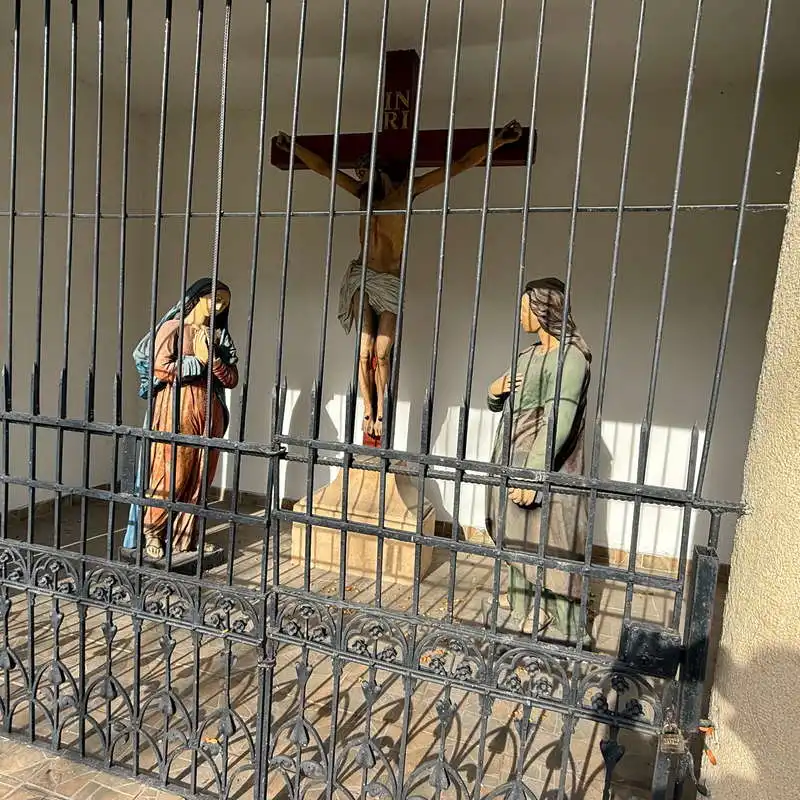
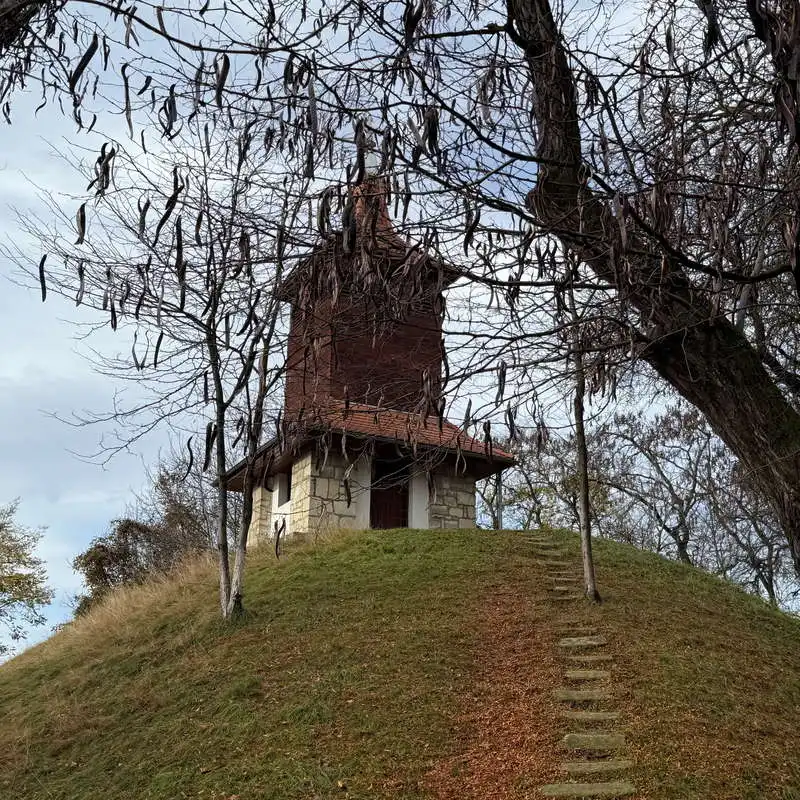
One of the most iconic features of the Calvaria complex is the chapel situated on the hill where the church stands. Built in a place with deep spiritual and historical significance, it enhances the atmosphere of contemplation characteristic of the entire complex and evokes the Catholic tradition of pilgrimages and prayer.

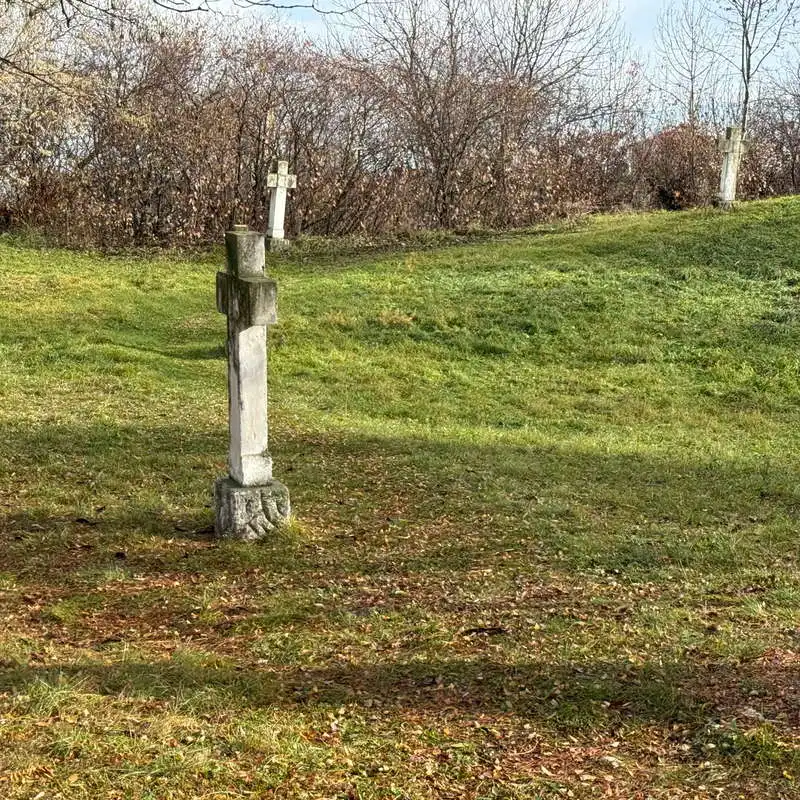
The chapel is symbolically linked to The Way of the Cross (Via Crucis), a devotional path that commemorates the final moments of Jesus Christ’s life, from his condemnation to his crucifixion and burial. In the Roman Catholic tradition, the faithful walk the 14 stations of the Way of the Cross, pausing for prayer and meditation, especially during Lent and on Good Friday.

At Calvaria, this tradition gives the site a special significance. Its location on a hill symbolically evokes Golgotha—the site of Christ’s crucifixion—which is why the name „Calvaria” is closely linked to the idea of sacrifice and hope in the Resurrection. Over time, the site has been visited by both believers on pilgrimage and tourists interested in Cluj’s religious and historical heritage.

Today, the chapel and the Way of the Cross offer visitors a peaceful space for reflection, far from the hustle and bustle of the city. Surrounded by the ruins of the former Benedictine abbey and the green landscape of the hill, they round out the experience of a visit to the Roman Catholic Church of Calvaria, where history, architecture, and spirituality blend harmoniously.
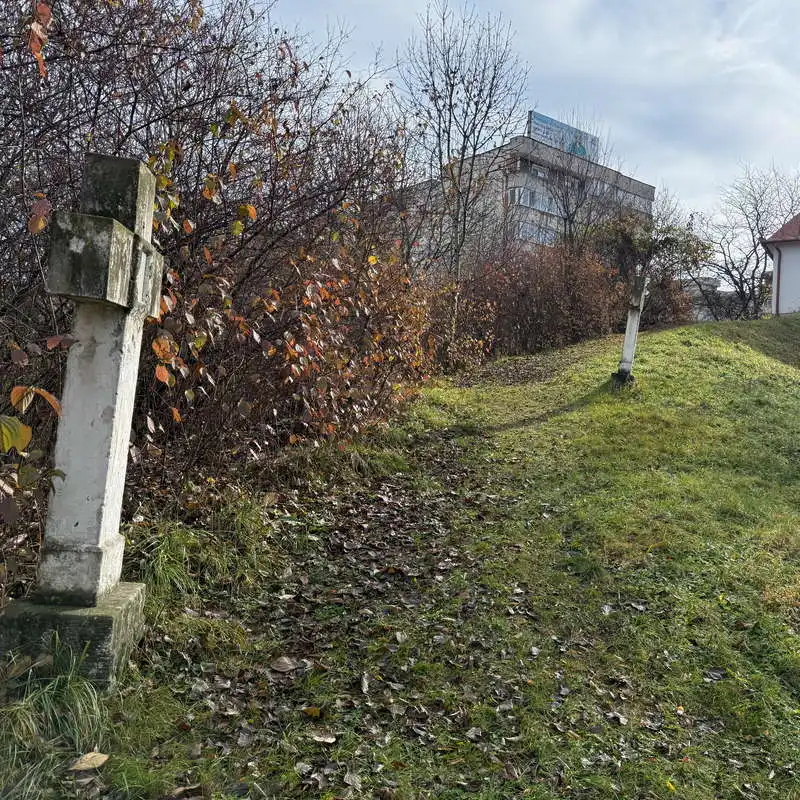
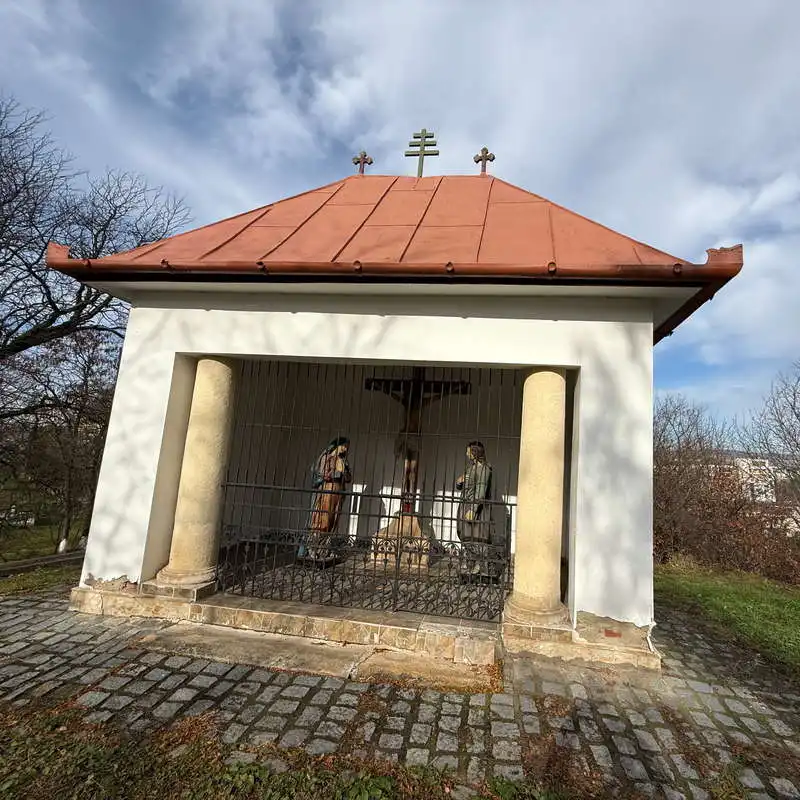
the crosses along the Way of the Cross

chapel

Sculptural group depicting the Crucifixion

The Way of the Cross

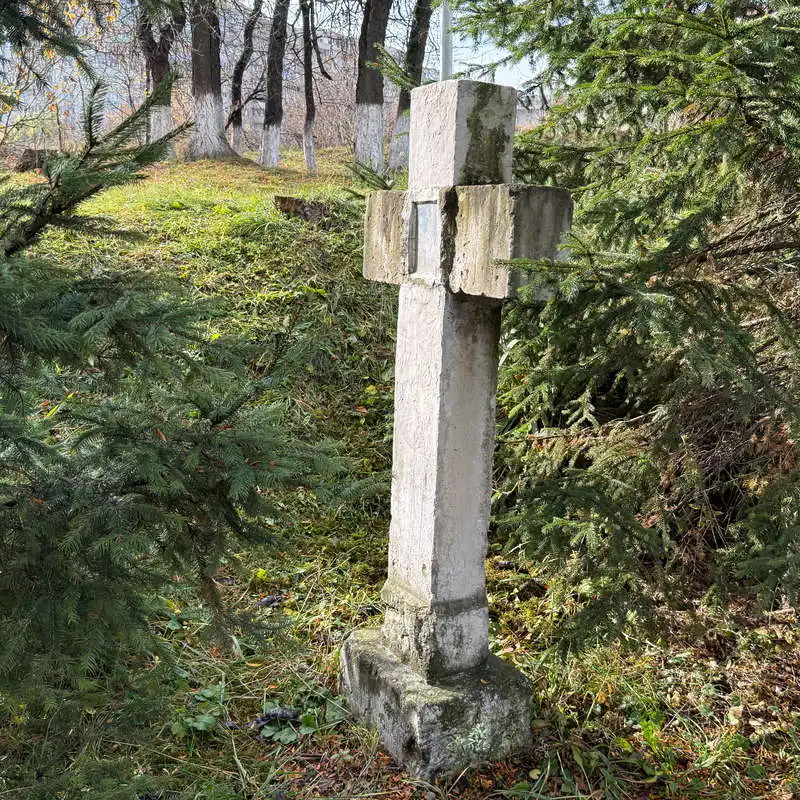
cross in the churchyard

2. The Church Itself

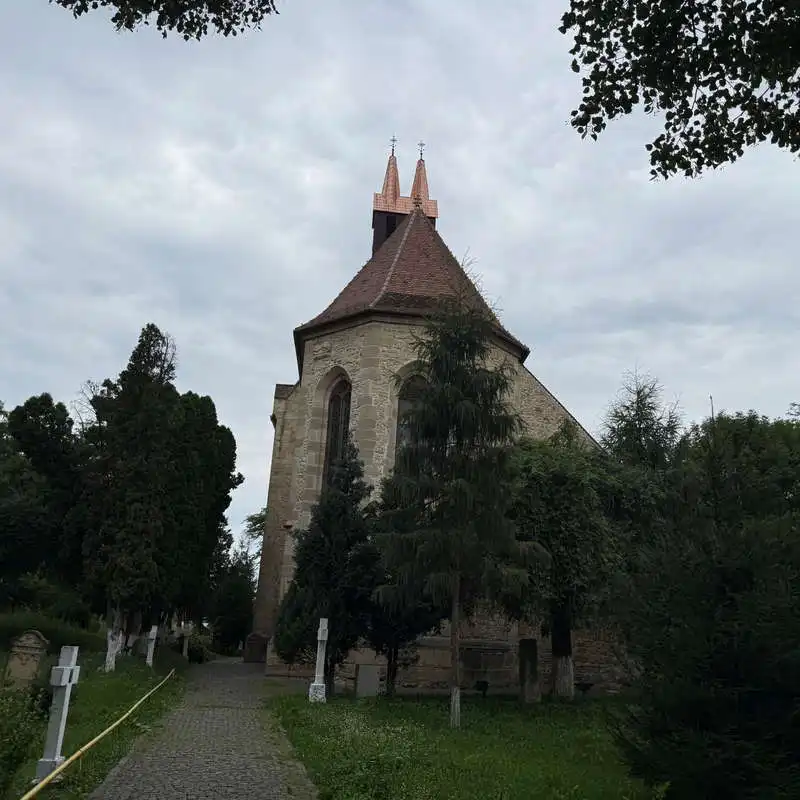
The Roman Catholic Church of Calvaria is striking for its austere, stone architecture and its location on a hill overlooking the Mănăștur neighborhood. The current building was erected after 1896 on the foundations of the old church of the medieval Benedictine abbey, thus preserving the continuity of one of the oldest places of worship in Cluj-Napoca.

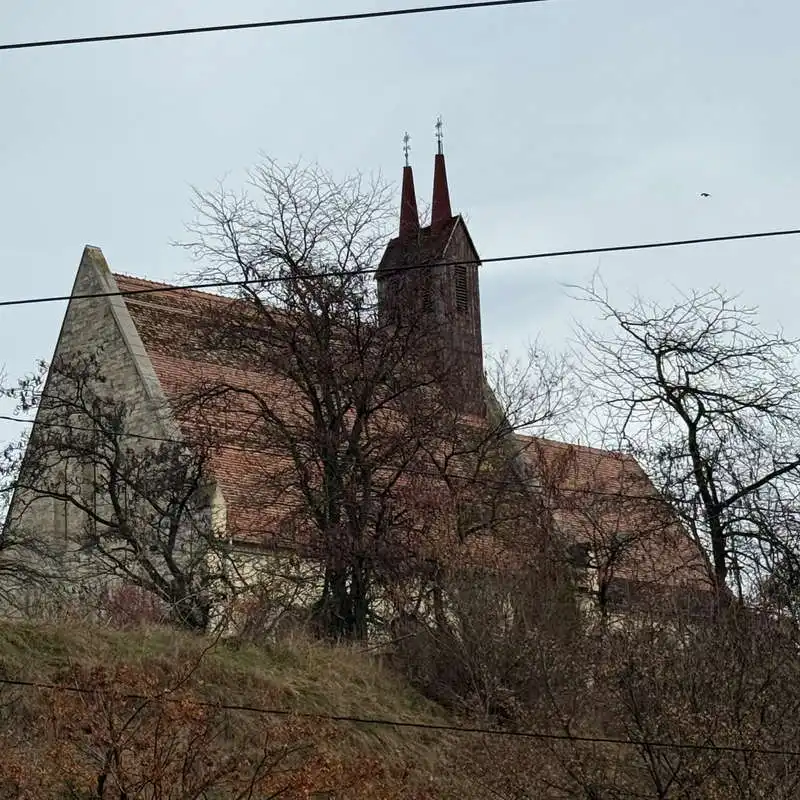
The exterior combines Romanesque and Gothic elements, and the bell tower, tiled roof, and massive walls give the monument an imposing appearance. Around the church, one can still see the earthen ramparts of the former medieval fortifications, which once protected the abbey and today stand as a rare testament to the defensive system of the Middle Ages.

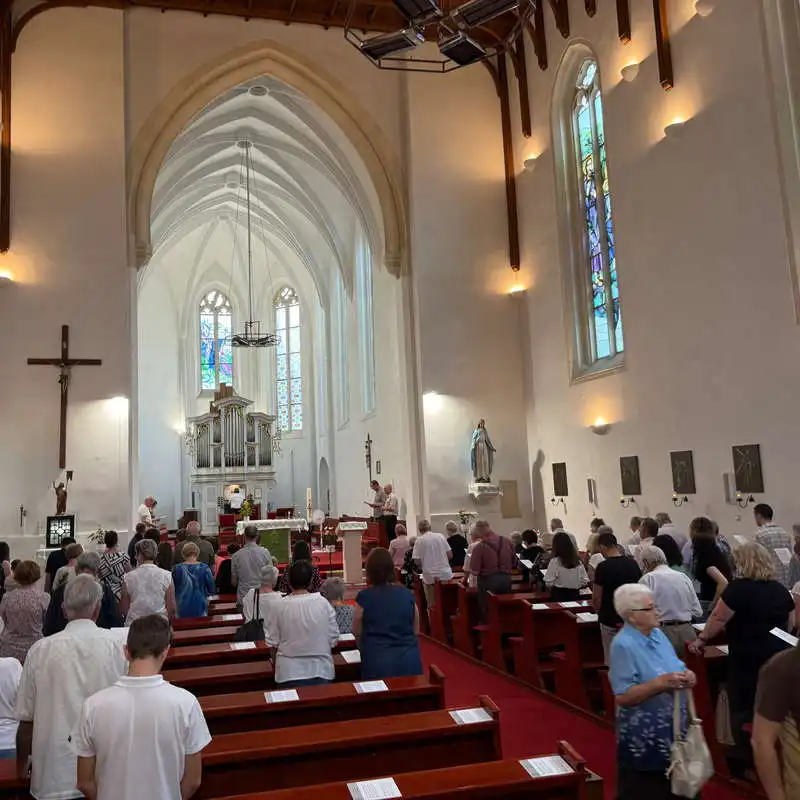
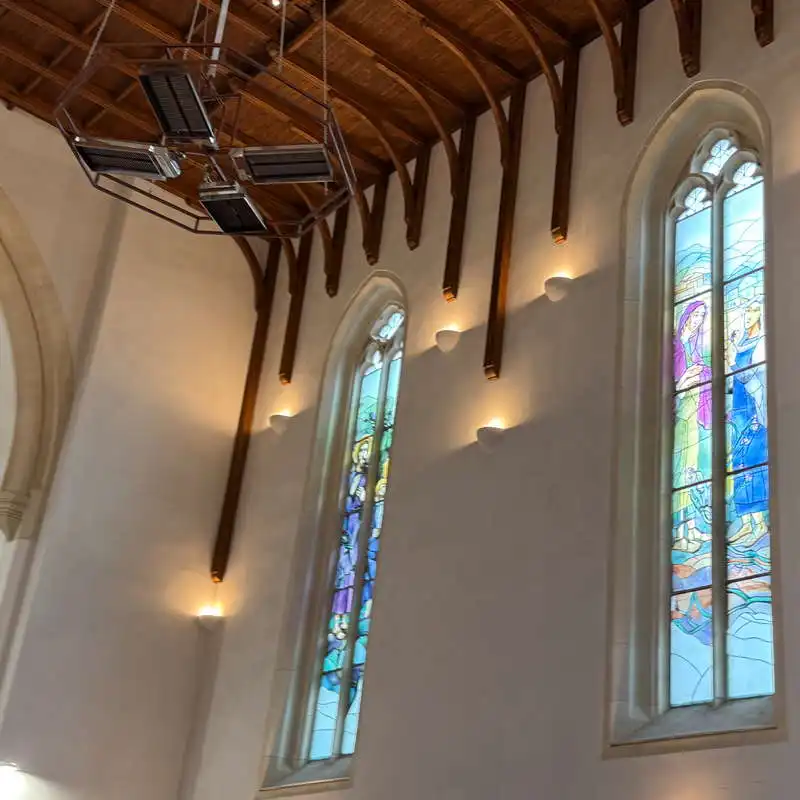
The interior of the church is characterized by elegant decor and an atmosphere of tranquility, typical of historic places of worship. Light streams in through the tall windows, highlighting the altar and the choir area—one of the few parts that retains a connection to earlier structures. The simplicity of the design highlights the church’s spiritual character and invites visitors to reflect and contemplate.

Noteworthy details include the church’s old gate, the sundial inscribed with the name of Abbot Anton, and the 16th- to 19th-century funerary monuments situated around the building. These elements complete the story of a place that has spanned nearly a millennium of history and remains one of Cluj’s most important religious and historical monuments.

service at Calvaria Church

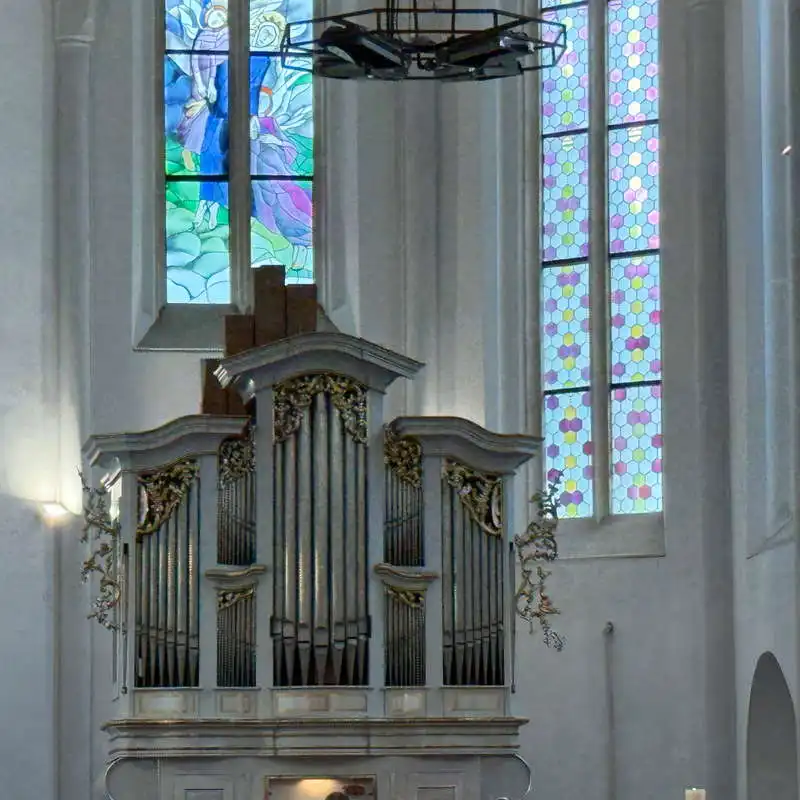
the church's stained-glass windows

church organ

Calvaria Roman Catholic Church

bas-relief depicting a crouching lion

sundial

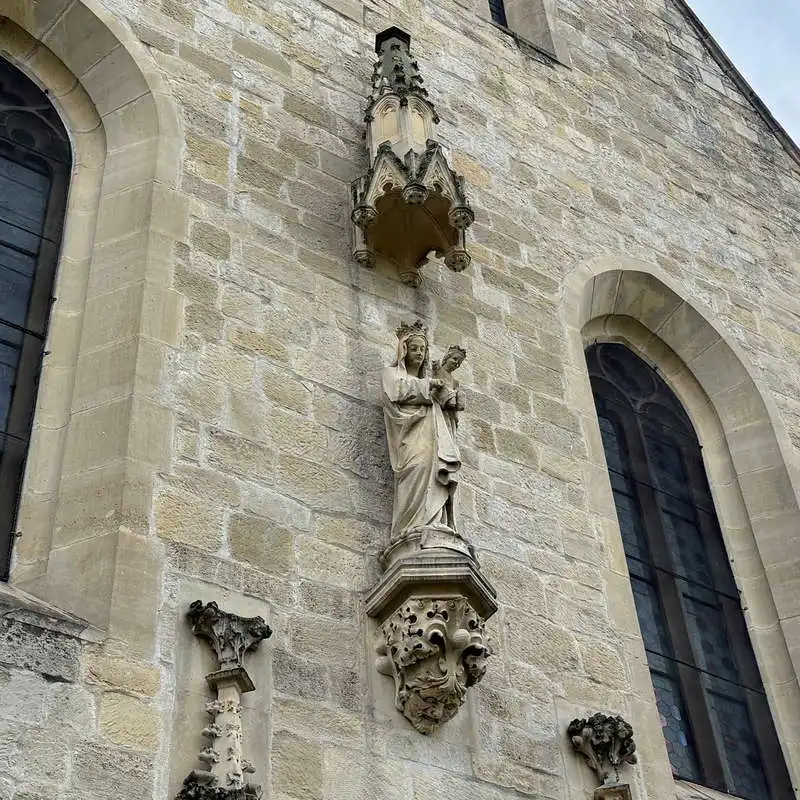
Statue of the Virgin Mary holding the Baby Jesus in her arms

Gothic architecture

3. The Bell Tower and the Courtyard

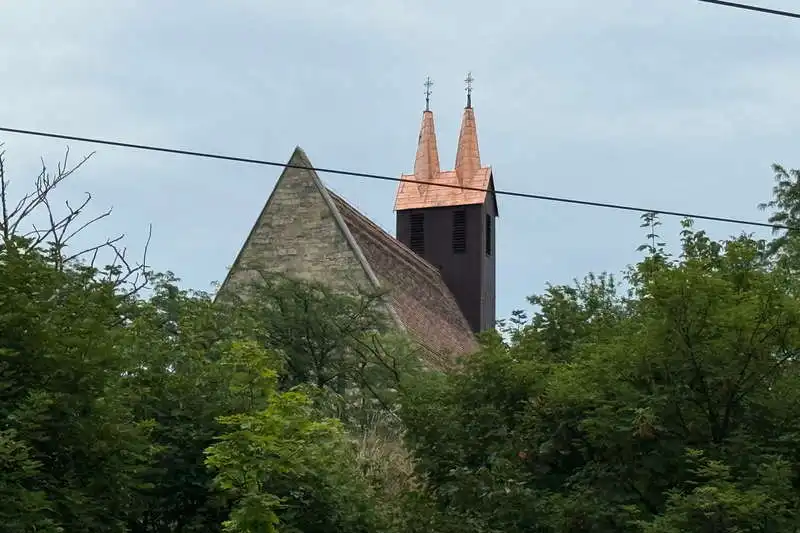
The bell tower of the Calvaria Roman Catholic Church complements the building’s imposing silhouette and is one of the first features visitors notice as they make their way up to the complex on the hill. Harmoniously integrated into the church’s architecture, it retains the austere appearance characteristic of Transylvanian religious monuments and contributes to the historic charm of the entire complex.

Equally attractive is the church courtyard, built on the site of the former Benedictine abbey in Cluj-Mănăștur. Here, one can see the remains of the old medieval fortifications, consisting of high earthen ramparts surrounding the complex, which were part of the defensive system built during the Middle Ages. These structures are among the best-preserved remnants of the old monastic enclosure and offer a glimpse into the importance the abbey held in the past.

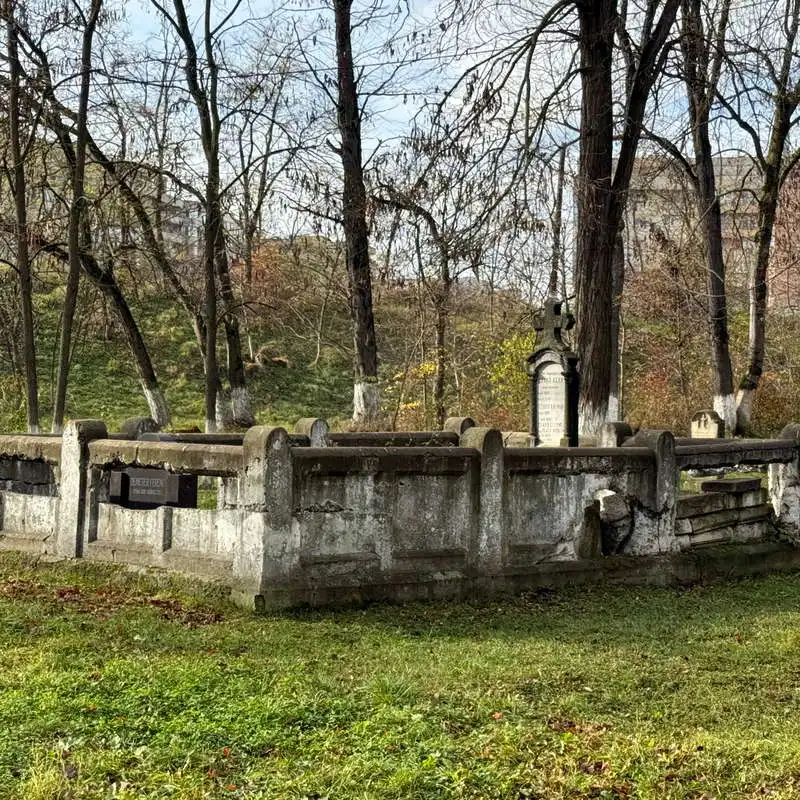
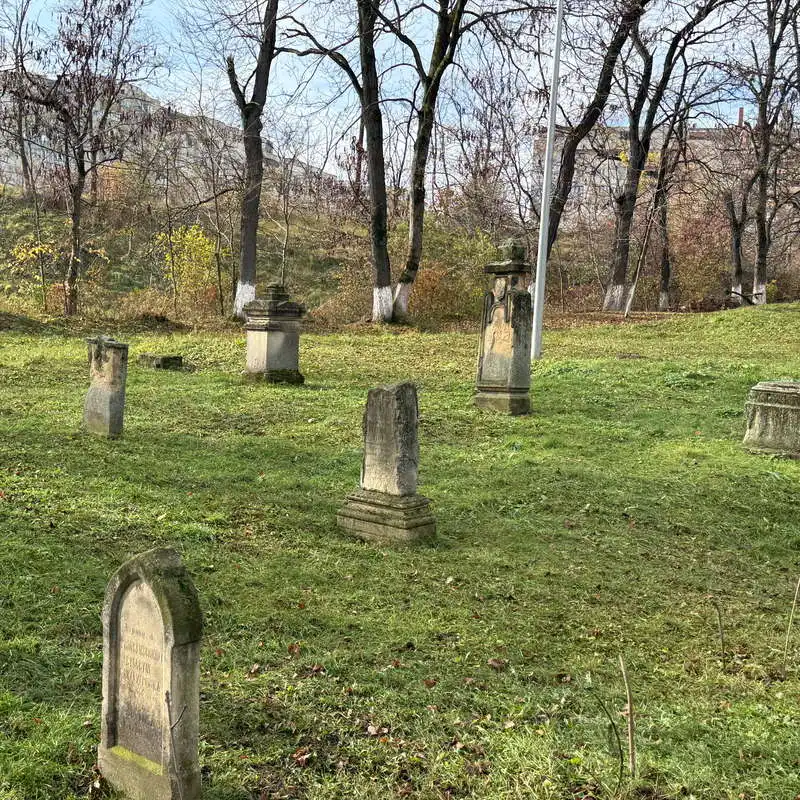
Surrounding the church are also funerary monuments dating from the 16th to the 19th centuries, which enhance the historical significance of the complex. The walkways and green spaces create a peaceful atmosphere, and the hilltop location offers beautiful views of the Mănăștur neighborhood and the surrounding area. It’s a great place for a relaxing stroll, taking photos, or a few moments of quiet reflection after visiting the church.

Calvaria Court successfully blends historical heritage with the natural landscape, offering visitors the opportunity to discover not only a religious monument but also one of the oldest medieval sites in Cluj-Napoca. The complex exudes a unique atmosphere, where traces of the past blend harmoniously with the tranquility of the present.

driveway

old grave fence

the belfry

the gravestones in the yard

Conclusion

Calvaria Roman Catholic Church It is one of the most important historical and religious monuments in Cluj-Napoca, offering a fascinating glimpse into the city’s medieval past. Located on the site of the former Benedictine abbey in Cluj-Mănăștur, it combines architectural heritage, spirituality, and a peaceful atmosphere into a unique ensemble.

Whether you visit it for its history, its architecture, or to enjoy a moment of reflection, Calvaria is a destination worth adding to your list of places to explore in Cluj-Napoca.

All the best!


Steps:

en_USEnglish