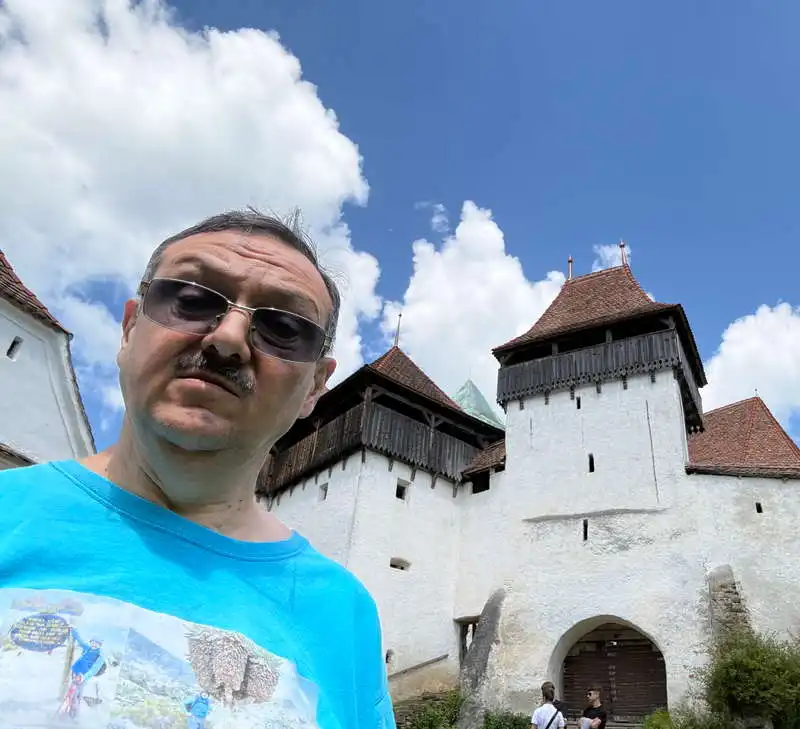
The Fortified Evangelical Church in Viscri, Brașov

UNESCO Monument in the Heart of the Saxon Village of Viscri

Where, when, how much?

The Fortified Church in Viscri It is located in the center of the village of Viscri, in the commune of Bunești, Brașov County, about 80 km from Brașov and 40 km from Sighișoara.

The museum is open daily from 10:00 a.m. to 6:00 p.m. from April through October 25, and from 10:00 a.m. to 4:00 p.m. from October 26 through March.

The admission fee is 20 lei for adults and 10 lei for children over 6, students, and seniors. Public parking at the village entrance is free, and drones are not allowed inside the monument.

For organized groups, we recommend booking in advance; guided tours are available upon request.

About the Fortified Church in Viscri

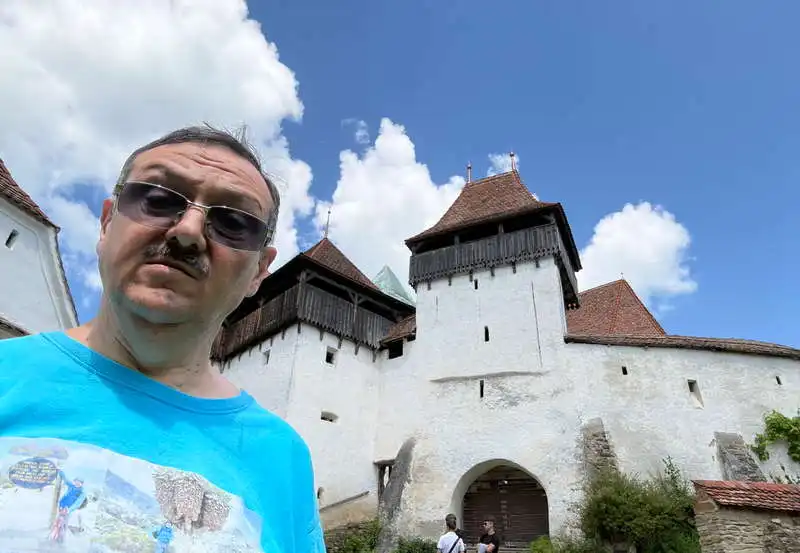
The Fortified Church in Viscri It is one of the most valuable medieval monuments in Transylvania and the main symbol of the village that has brought it international fame. Built on the site of an old 12th-century church, the current structure was developed by the Saxon community beginning in the 13th century and was gradually expanded and fortified to protect the inhabitants during times of conflict.

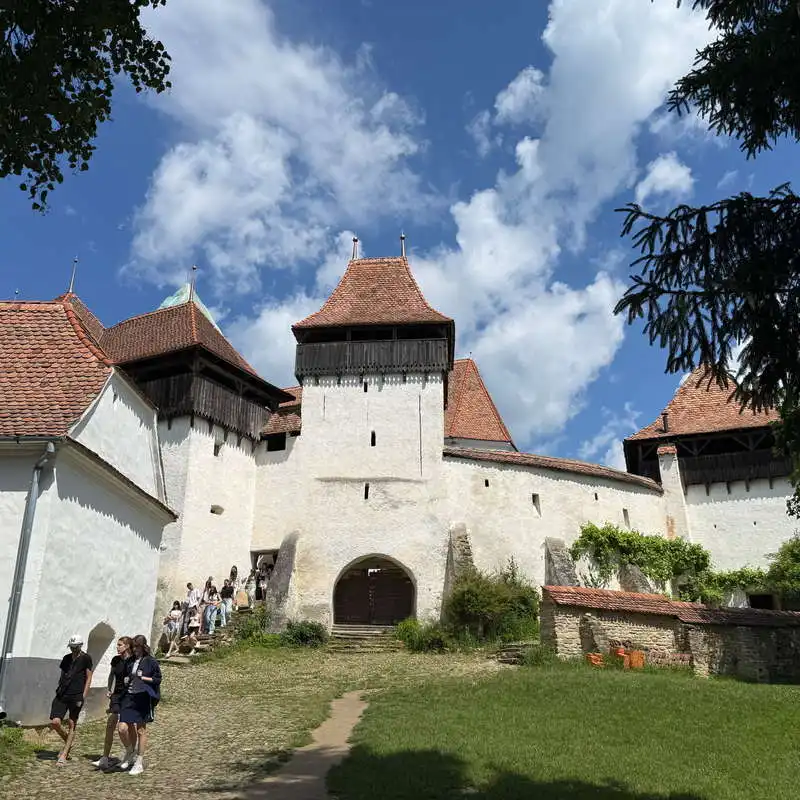
The complex consists of the Evangelical church, the defensive walls, the bastions, and the watchtowers, all of which are preserved in remarkable condition. From the hill on which it stands, the church overlooks the entire settlement and offers an authentic glimpse into life in the Saxon villages of Transylvania.

In 1999, the church and the village of Viscri were inscribed on the UNESCO World Heritage List, along with other villages with fortified churches in Transylvania. Today, the site attracts visitors from all over the world thanks to its historical significance, well-preserved architecture, and authentic atmosphere, which have made Viscri one of Romania’s most famous rural destinations.

1. Defensive walls, bastions, and towers

One of the most impressive features of the Viscri complex is the system of fortifications surrounding the church. Built and expanded between the 14th and 16th centuries, it was designed to protect the Saxon community from the frequent invasions and attacks of the Middle Ages.

The defensive walls, built of stone and brick, form an almost oval enclosure around the church. Along these walls are several towers and bastions that were used both for surveillance and for the defense of the village. In times of danger, the inhabitants took refuge inside the fortification, where they kept their supplies and valuables.

A unique feature is the observation tower, which offers a spectacular panoramic view of the village of Viscri and the hilly landscape typical of Transylvania. Today, visitors can explore the trails that wind along the walls and discover the ingenious way in which the local community organized its defense for centuries.

Thanks to their excellent state of preservation, the fortifications at Viscri offer one of the most authentic views of a Saxon fortified church in Romania.
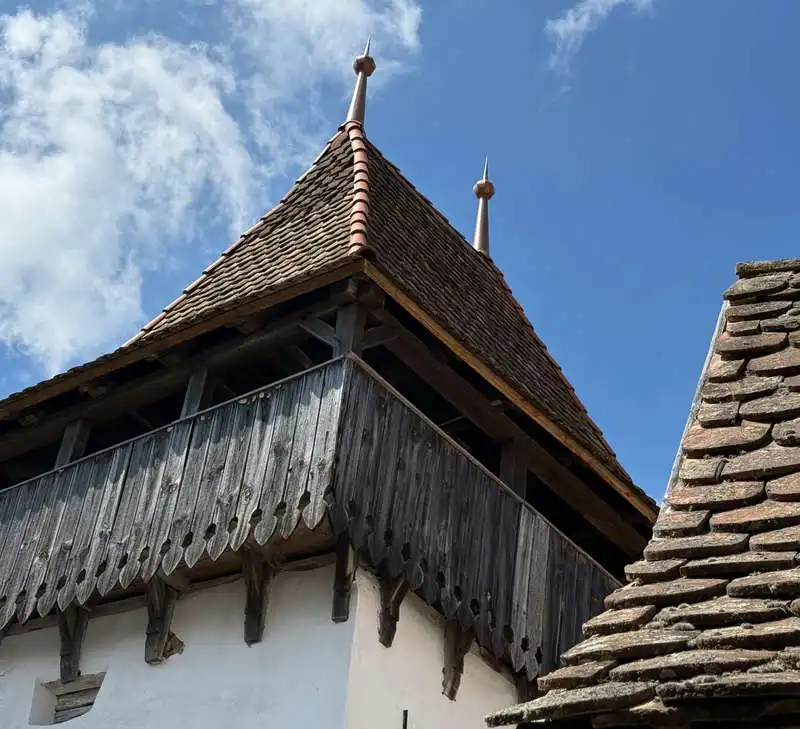
a tower with an old, well-preserved roof

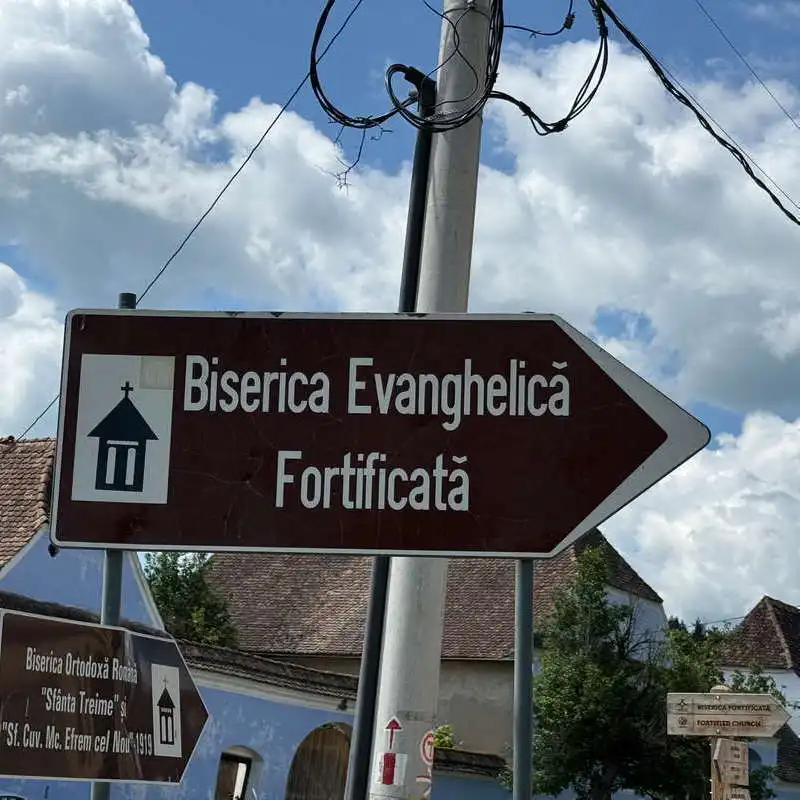
toward the Evangelical church

the walls and towers of the fortification

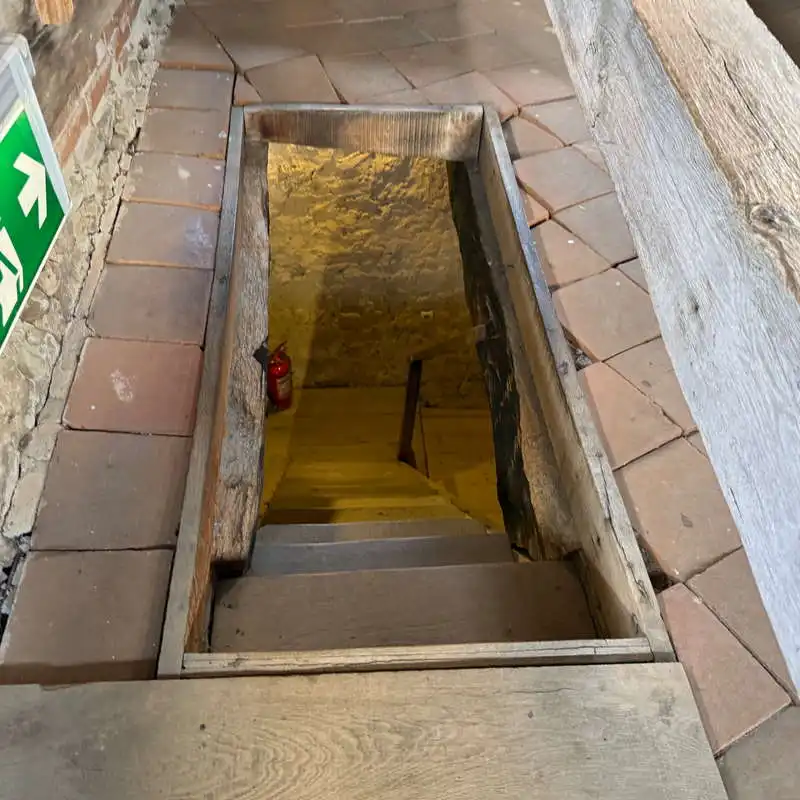
We go up and down through the parts of the fortification that are open to visitors

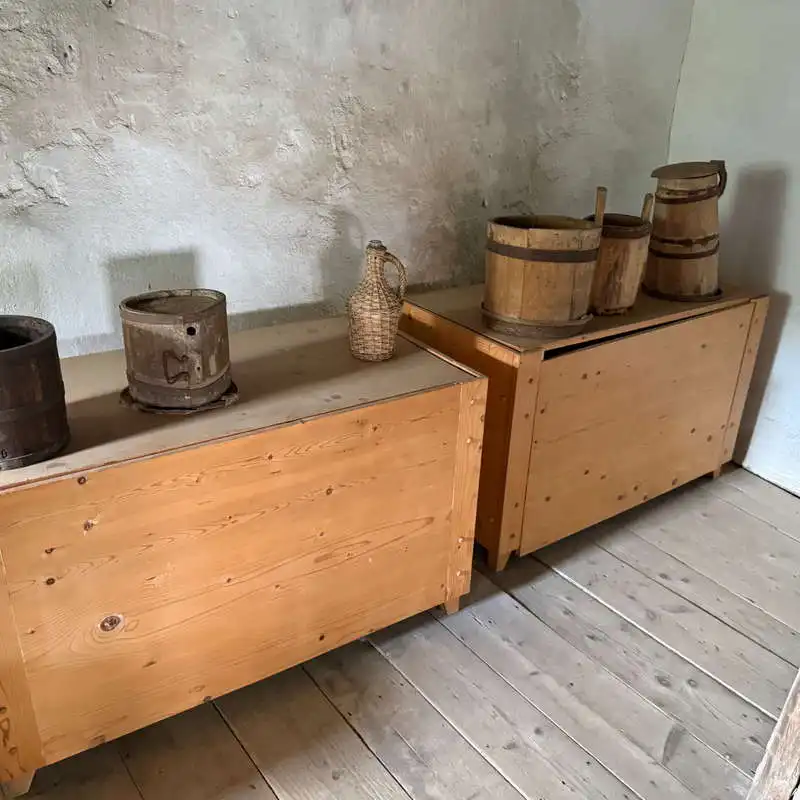
exhibits from rural households

2. The museum collection and the exhibition of painted tiles

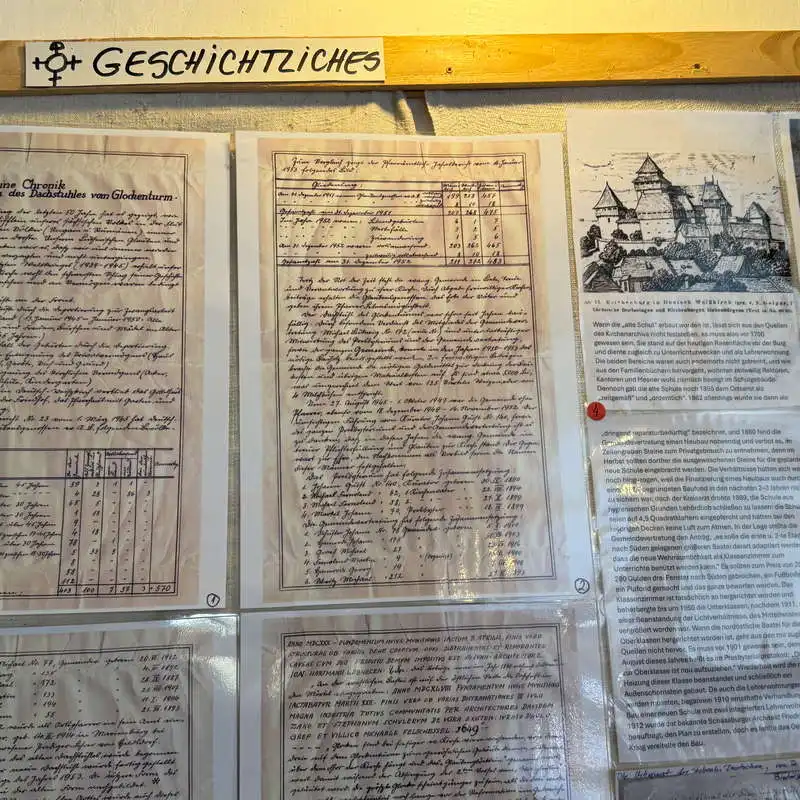
In addition to its architectural and historical significance, the Fortified Church in Viscri houses an interesting museum collection dedicated to the life of the Saxon community that lived here for centuries. The rooms converted into a museum display household items, traditional furniture, farming tools, textiles, and religious art that illustrate the way of life of Viscri’s inhabitants.

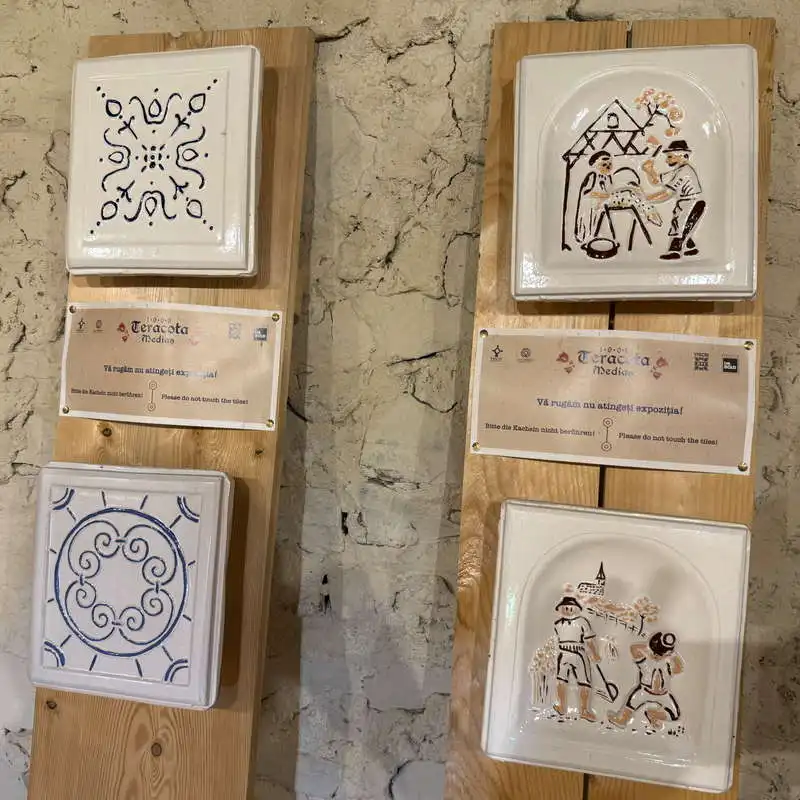
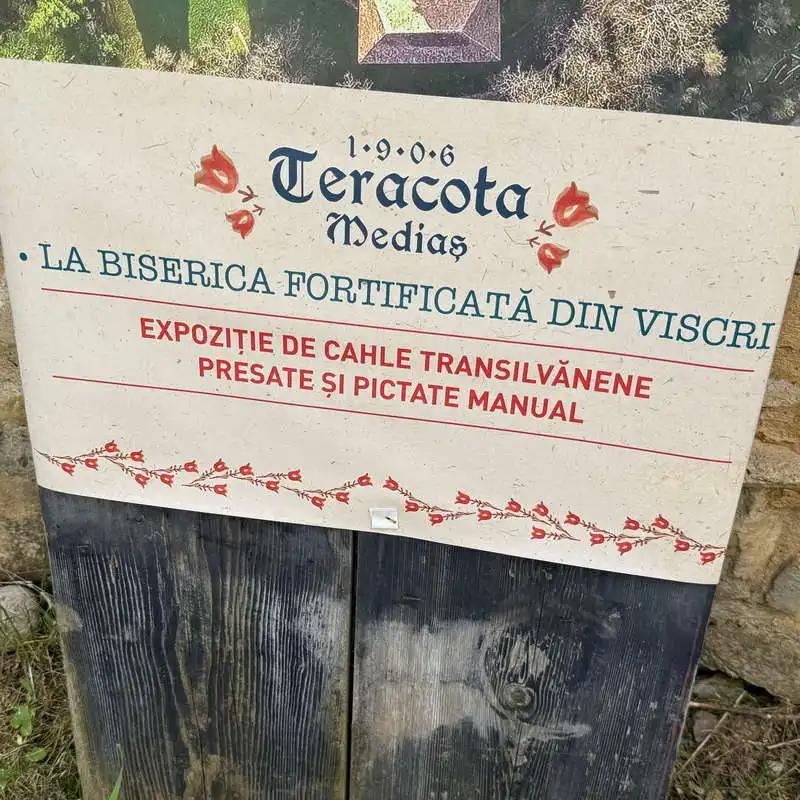
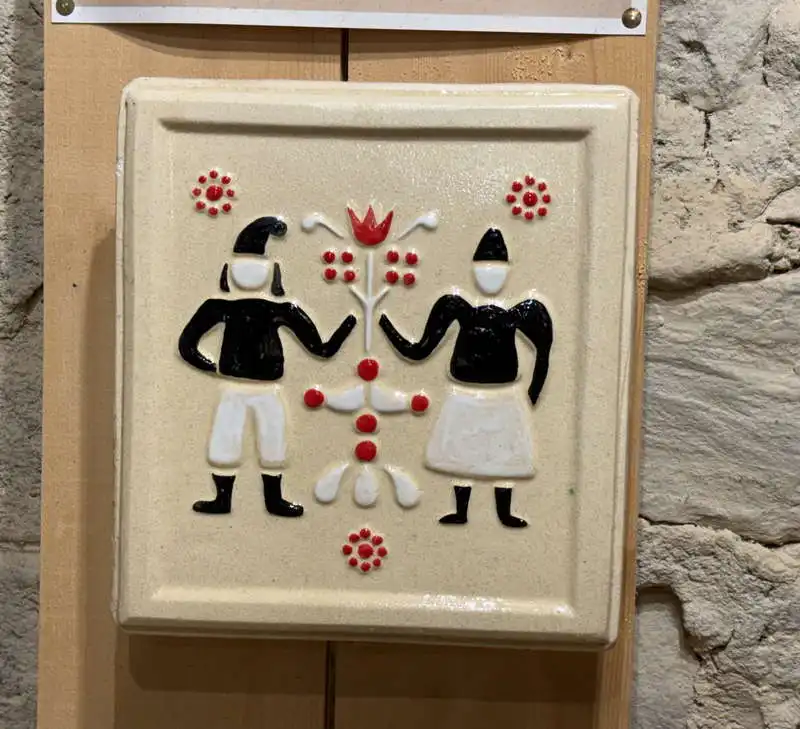
A special highlight is the exhibition of painted tiles. These ornamental ceramic tiles were used in the construction of terracotta stoves and are striking for the diversity of their decorative motifs, colors, and symbols specific to Saxon culture. Many of the tiles on display date from the 18th and 19th centuries and offer a fascinating glimpse into local crafts and the artistic tastes of the era.

A visit to the museum’s collection complements the experience of exploring the fortification, offering a broader perspective on the history of the village and the community that has helped preserve this unique site to this day.

terracotta tile exhibition

exhibition of hand-painted tiles

decorative terracotta tile

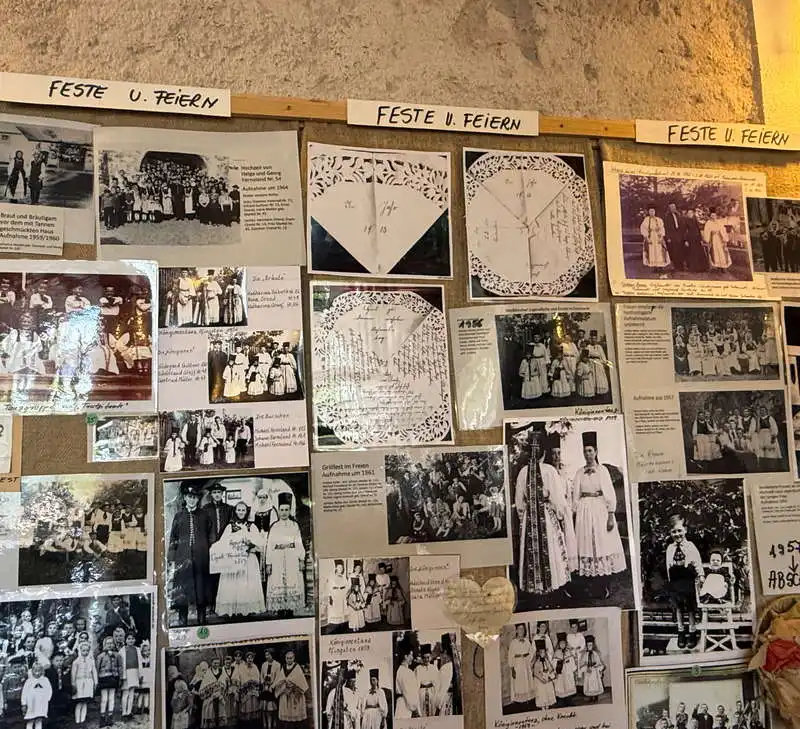
photos from the village festivities

The History of the Fortified Church

3. Evangelical Church

At the center of the fortified complex stands the Evangelical church, one of the oldest buildings in Viscri and the main reason why the site is listed as a UNESCO World Heritage Site. The current building dates back to the 13th century, when a stone church for the local Saxon community was built on the site of an old Romanesque chapel.

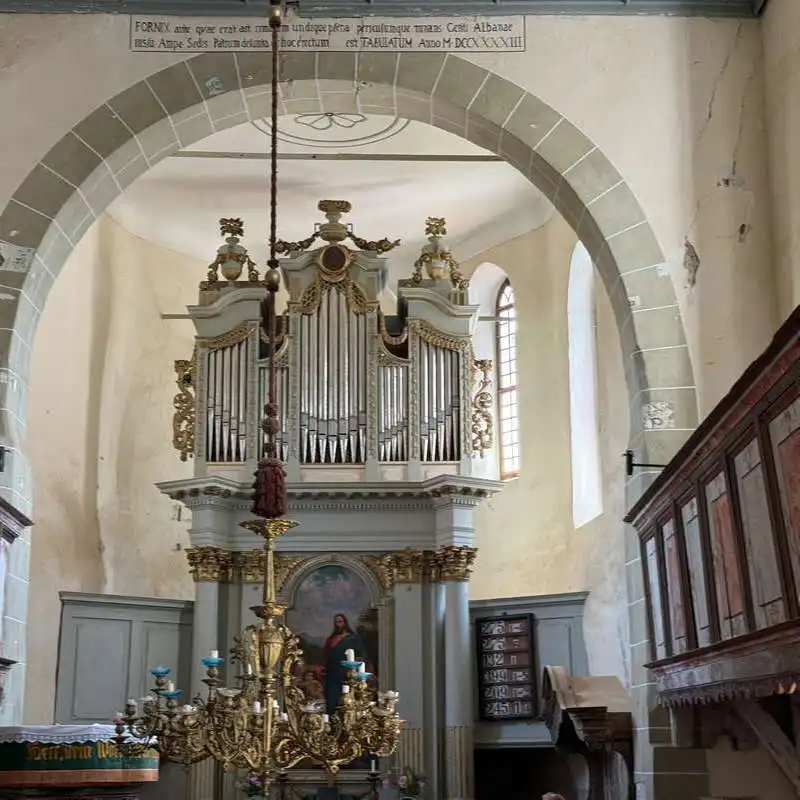
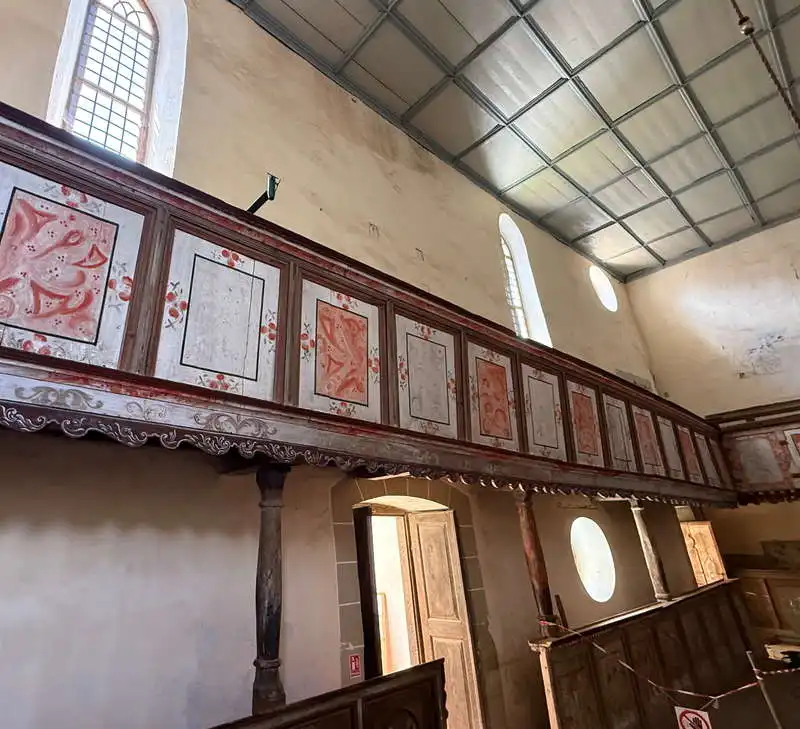
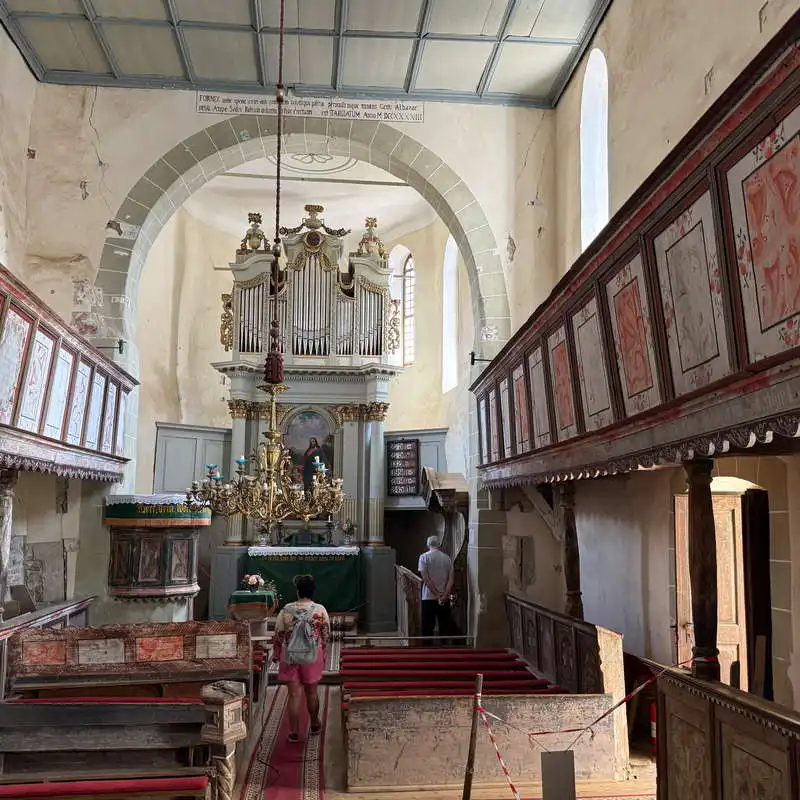
Over time, the building has been modified and adapted to the community’s needs, while retaining numerous medieval architectural elements. The interior impresses with the simplicity characteristic of Evangelical places of worship, where the emphasis is on functionality and spirituality. Visitors can admire the altar, the wooden galleries, the traditional furnishings, and the old organ that has accompanied generations of worshippers.

One of the most interesting aspects of the church is the combination of early Romanesque elements and the alterations made during the Gothic and post-Reformation periods. This architectural evolution reflects the complex history of the Saxon community in Transylvania and its adaptation to the religious and social changes of the time.

Today, the Evangelical church is the heart of the Viscri complex and offers visitors the opportunity to discover an authentic monument that has remained virtually unchanged over the centuries.

the organ of the Evangelical church

the upper wooden gallery, featuring traditional paintings

evangelical church

Conclusion

The Fortified Church in Viscri It is one of the most valuable medieval monuments in Transylvania and a must-see attraction for lovers of history, architecture, and culture. Listed as a UNESCO World Heritage Site, it offers an authentic glimpse into the past of the Saxon villages and the rural charm of Romania.

All the best!


Steps:

en_USEnglish