The Agora of Smyrna, Izmir, Turkey

The Ancient Heart of Smyrna

Where, when, how much?

The Agora of Smyrna (now Izmir, Turkey) is located right in the heart of modern-day Izmir, in the Namazgah neighborhood, just a short walk from the famous Kemeraltı district and easily accessible on foot from the Konak area.

The archaeological site is an open-air museum, and a visit usually takes between 1 and 2 hours, depending on your interest in historical details and photography.

Visiting program

  • April - October: 08:30 - 19:00
  • November - March: 8:30 AM – 5:00 PM
  • Closed: certain national holidays or special days
  • The last admission is usually about 30 minutes before closing time.

How much is the ticket?

  • Around 25–30 TRY for adults
  • Discounts for students and seniors
  • Children under 12 have free access

Prices may vary slightly depending on the season or official updates from museums in Turkey.

Useful Information

  • Tickets can be purchased directly at the entrance
  • No advance reservation is required
  • Are there audio guides or guided tours available for a fee?
  • The site has uneven terrain, so comfortable shoes are recommended

If you’d like, I can adapt your text to a more „premium blog” style, make it more SEO-friendly, or shorten it for mobile.

About the Agora of Smyrna

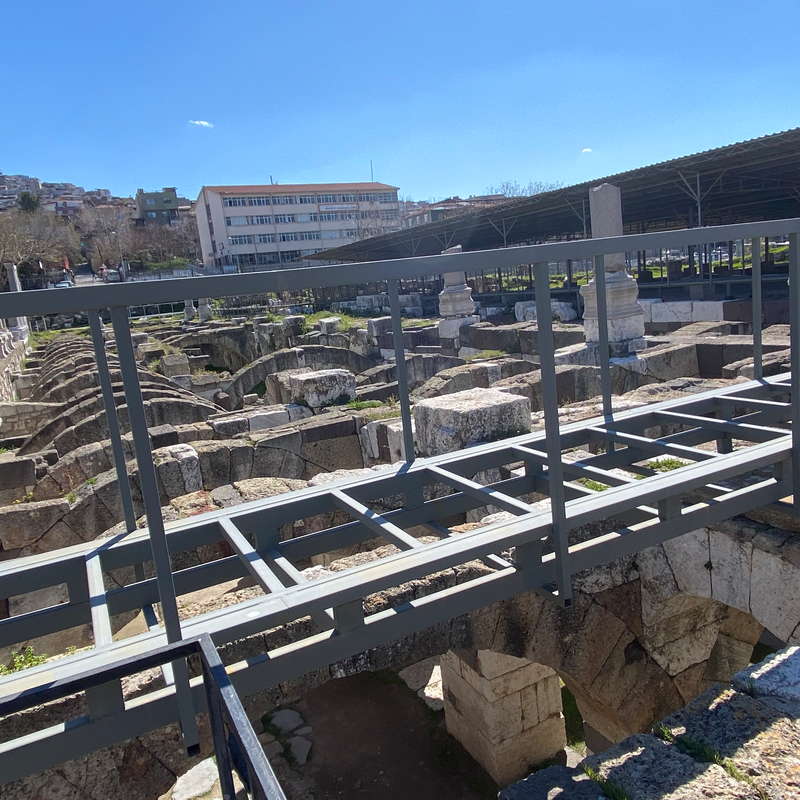
The Agora of Smyrna It is the civic center of the ancient city of Smyrna, located today in Izmir. The earliest structures of the complex date back to the Hellenistic period (4th–3rd centuries B.C.), and the form visible today was reconstructed during the Roman era, following the earthquake of 178 A.D., during the reign of Emperor Marcus Aurelius.

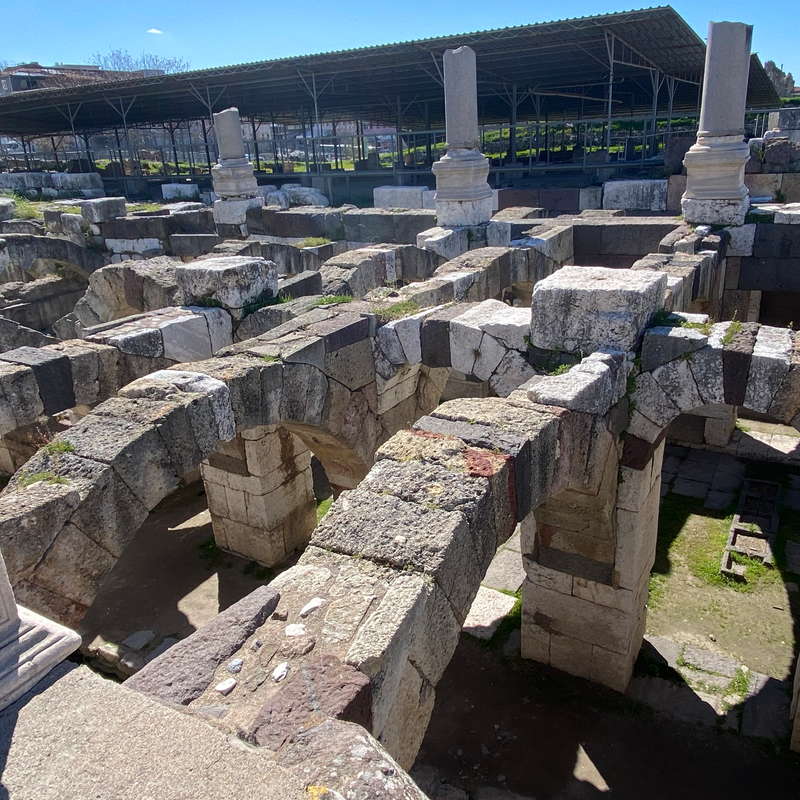
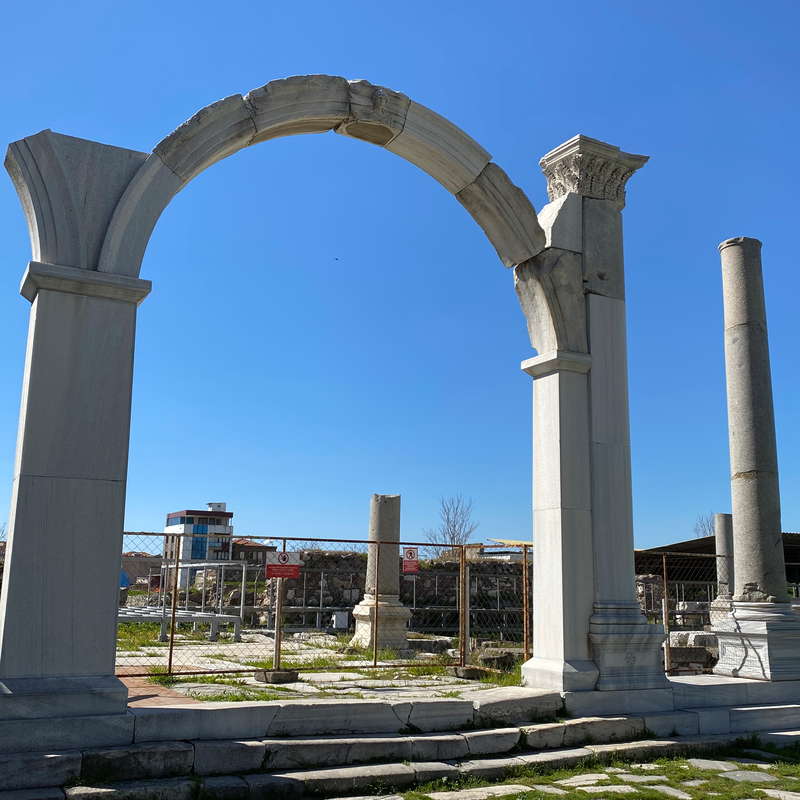
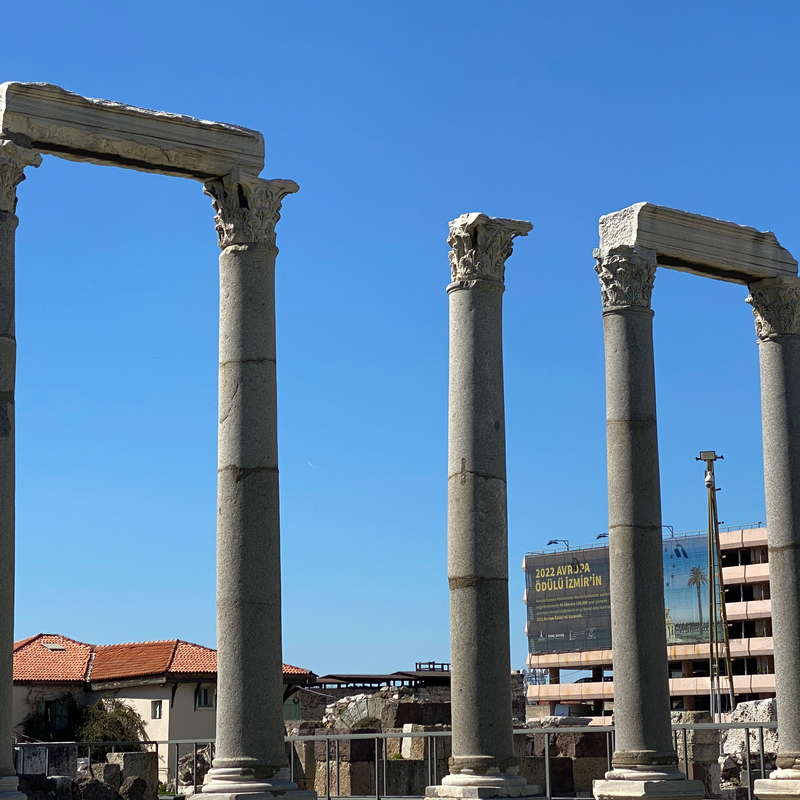
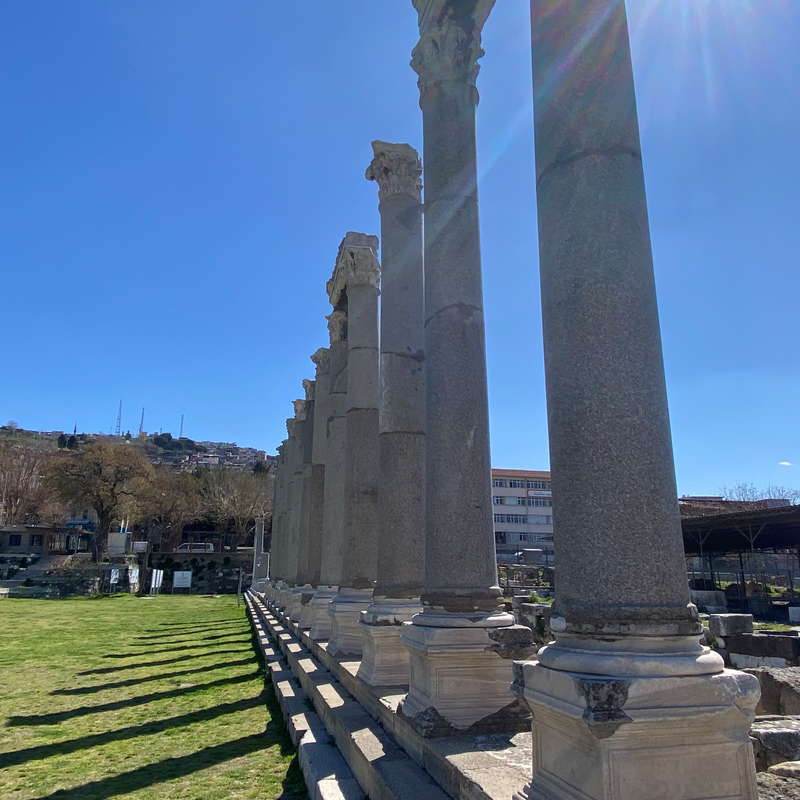
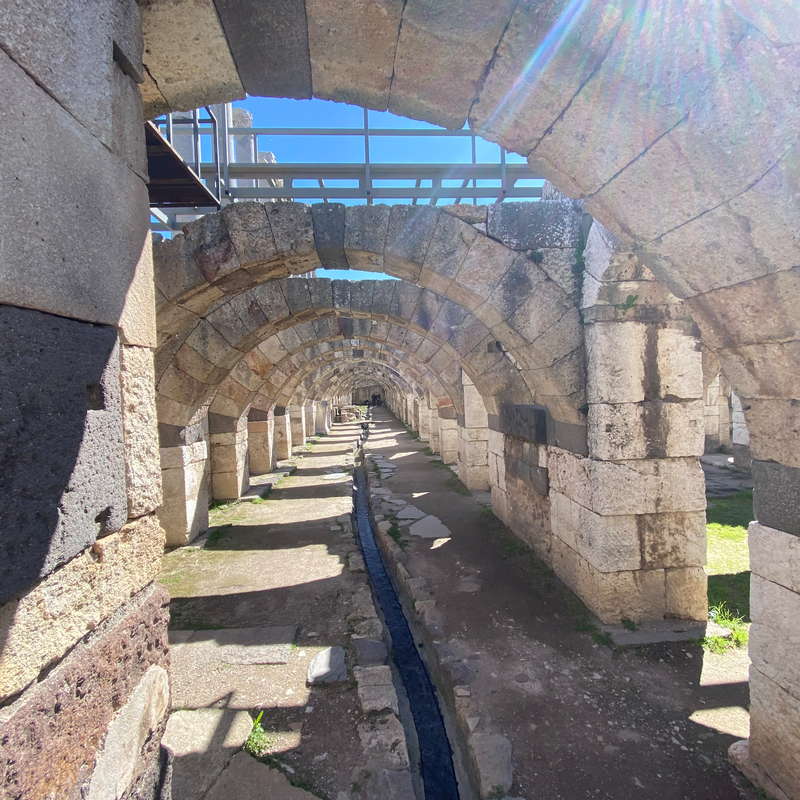
This is where the commercial, administrative, and social life of the ancient city took place. Today, visitors can see well-preserved ruins such as columns, arcades, and galleries, which offer a clear picture of urban life in antiquity.

It is one of the most important archaeological sites in Izmir and a place where history dating back more than 2,000 years is still visible in the heart of the modern city.

1. The Archaeological Museum

In the immediate vicinity of the Agora in Smyrna lies Izmir Archaeological Museum, one of the most important museums in the region, where artifacts discovered at the site and in other parts of ancient Izmir are housed.

On display here are Roman statues, column fragments, ancient inscriptions, and everyday objects that offer a more complete picture of life in ancient Smyrna. Many of the artifacts date from the Hellenistic and Roman periods, the same era in which the Agora was rebuilt after 178 AD, during the reign of Emperor Marcus Aurelius.

A visit to the museum perfectly complements the experience at the archaeological site, as it provides a detailed explanation of what is only fragmentarily preserved in the ruins. It is the ideal place to understand what daily life was like in the ancient city of Smyrna and how one of the most important centers of ancient Anatolia developed.
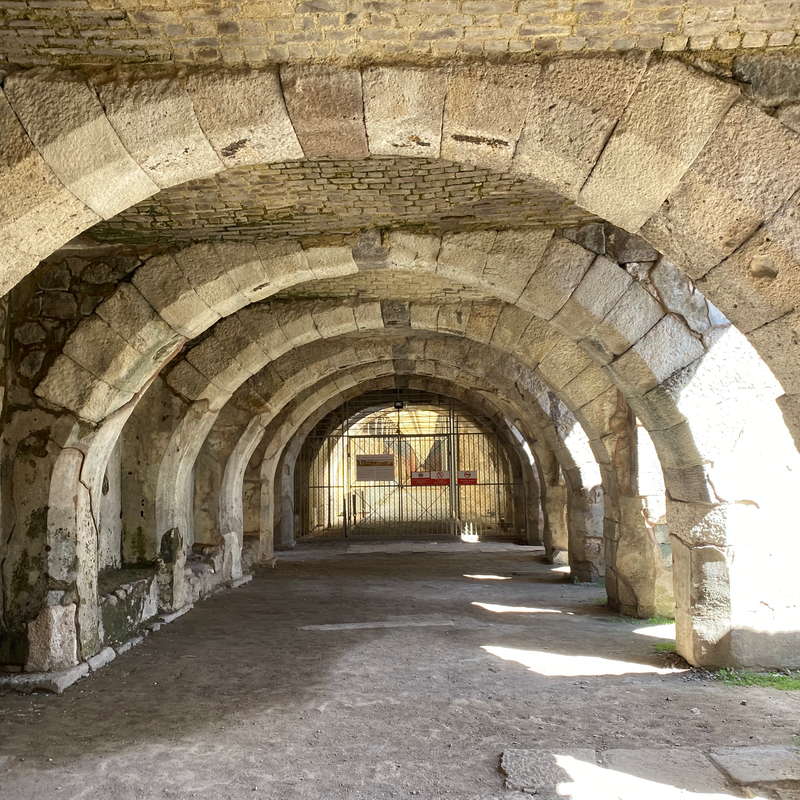
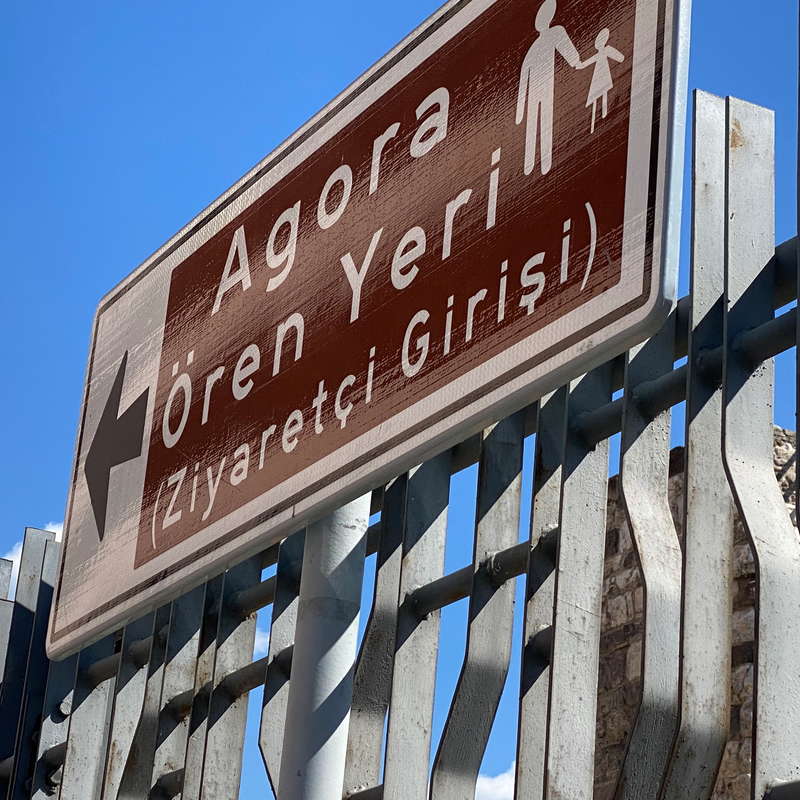
archaeological site

Agora Archaeological Site

2. The Ancient City

The ancient city of Smyrna, located in what is now Izmir, was one of the most important urban centers of the Greco-Roman world in Anatolia. The settlement dates back to the Hellenistic period, with evidence of habitation as early as the 1st millennium BCE, but its major development took place between the 4th century BCE and the 2nd century CE.

During the Roman period, Smyrna became a prosperous city with advanced infrastructure, a bustling port, and a vibrant cultural life. After the earthquake of 178 AD, the city was rebuilt, including the Agora area, during the reign of Emperor Marcus Aurelius, which contributed to the architectural form that we can still partially see today.

Smyrna was renowned for its urban layout, public baths, theaters, and markets, and was considered a major rival to other great cities of Asia Minor. Today, traces of this ancient city can be seen in various parts of Izmir, and the Agora remains the most impressive testament to its past.

the ancient city of Smyrna

Roman gate

Roman columns and temples

Roman columns

3. Alexander the Great

His figure Alexander the Great is closely linked to the legend of the refounding of the city of Smyrna, located in what is now Izmir. According to ancient tradition, he is said to have had a dream in which he was urged to move the city from its old site to a more suitable location on the slopes of Mount Pagos (today the area Kadifekale).

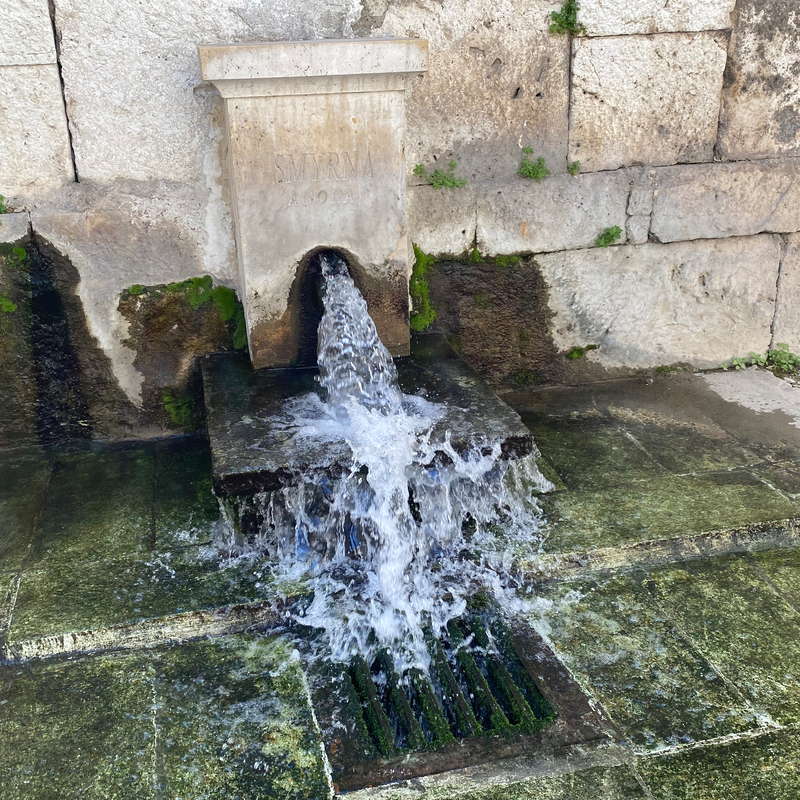
Legend has it that this episode took place near a spring on Pagos Hill, later known as „Alexander the Great’s Spring.” It is said that there Alexander fell asleep and dreamed of the gods„ command to move the city, a moment considered symbolic of the birth of ”New Smyrna.” Although there is no clear archaeological evidence, the story of the spring has remained one of the city’s best-known traditions. After consulting the oracle, Alexander is said to have approved the move, thus laying the foundation for the subsequent development of the city of Smyrna, which became one of the most important centers of the ancient world in Anatolia.

Alexander the Great's spring

the ancient city

sewer system dating back to the Roman Empire

Conclusion

The Agora of Smyrna, located in Izmir, is an impressive archaeological site that brings the history of the ancient city of Smyrna to life. Rebuilt during the Roman era after 178 AD, under Emperor Marcus Aurelius, it offers an authentic glimpse into urban life in antiquity. Along with the legends surrounding Alexander the Great, the Agora remains a symbolic site and an essential stop for anyone visiting Izmir.

All the best!


Steps:

en_USEnglish